
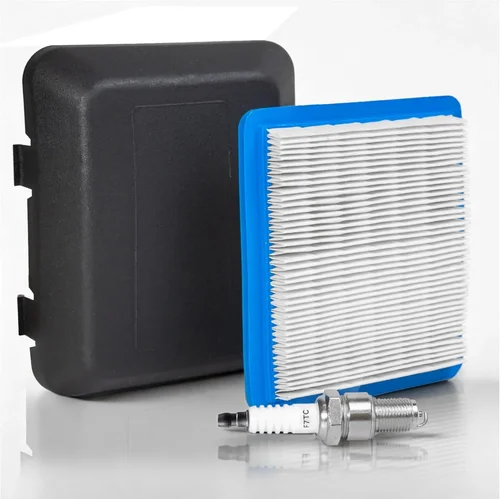
When your Honda HRX217 lawn mower starts sputtering, refusing to turn over, or stalls unexpectedly during operation, the culprit is often something simple yet critical—the fuel filter. While it’s a small component tucked away inside the fuel line, the fuel filter plays a vital role in protecting your engine from contaminants that can clog fuel injectors, damage internal components, and ultimately lead to costly repairs or even complete engine failure. A clogged or failing fuel filter is one of the most common causes of hard-starting issues in the HRX217, especially after long periods of inactivity or when using older or improperly stored gasoline.
This comprehensive buying guide is designed specifically for owners of the Honda HRX217 who are experiencing starting difficulties and suspect their fuel filter may be the root cause. Whether you’re a seasoned DIY mechanic or a first-time lawn mower owner, this guide will walk you through everything you need to know about selecting, purchasing, and replacing the right fuel filter for your machine. We’ll cover key factors like compatibility, build quality, brand reputation, and price—so you can make an informed decision without overspending or buying the wrong part. You’ll also learn where to shop, how to avoid common pitfalls, and what to expect at different budget levels.
The market for small engine fuel filters is surprisingly diverse, ranging from genuine OEM (Original Equipment Manufacturer) Honda parts to third-party alternatives from brands like Briggs & Stratton, Kohler, and universal fit options. While some filters promise premium filtration and extended service life, others are budget-friendly but may compromise on durability or fitment. With so many choices available online and in-store, it’s easy to feel overwhelmed—or worse, end up with a filter that doesn’t fit your HRX217 or fails prematurely. That’s why we’ve created this expert-level resource: to cut through the noise, highlight what truly matters, and help you get your mower back to peak performance quickly and affordably.
What to Look for When Buying Buying Guide
1. Compatibility with Honda HRX217
The single most important factor when purchasing a fuel filter for your Honda HRX217 is compatibility. Not all fuel filters are created equal, and even minor differences in size, thread type, or connection design can render a filter useless—or worse, cause leaks or engine damage. The HRX217 uses a specific inline fuel filter that connects directly into the fuel line between the gas tank and the carburetor. It typically features barbed fittings designed to fit standard ¼-inch or 5/16-inch inner diameter fuel hose, depending on the model year and configuration.
Before buying, always verify the exact part number for your HRX217. Honda’s official part number for the fuel filter is 16900-Z0J-003, which is used across multiple HRX series models including the HRX217HXA, HRX217HZA, and HRX217VXA. Cross-referencing this number with the product listing ensures you’re getting the correct fit. Universal filters may claim compatibility, but they often require cutting or modifying the fuel line, which increases the risk of leaks or improper sealing. Always check customer reviews or manufacturer specifications to confirm fitment for your specific serial number range.
2. OEM vs. Aftermarket: Which Is Right for You?
You’ll quickly encounter two main categories when shopping: genuine Honda OEM filters and aftermarket alternatives. OEM parts are manufactured by Honda or its authorized suppliers and are guaranteed to meet the original design specifications. They offer precise fit, reliable performance, and peace of mind—especially important for a precision-engineered machine like the HRX217. However, OEM filters typically come at a premium price, often 2–3 times more than generic options.
Aftermarket filters, on the other hand, are produced by third-party companies and can vary widely in quality. Some reputable brands like Stens, Oregon, and Rotary offer filters that match or even exceed OEM standards at a lower cost. Others are cheaply made with inferior materials that degrade quickly or fail to filter out fine particulates. The key is to research the brand, read verified buyer reviews, and look for filters that explicitly state compatibility with the Honda HRX217 and part number 16900-Z0J-003. Avoid no-name brands sold in bulk packs unless they come with strong user endorsements.
3. Build Quality & Durability
A fuel filter’s job is to trap dirt, rust, water, and other contaminants before they reach the engine. To do this effectively, it must be constructed from durable, chemically resistant materials that won’t break down when exposed to modern ethanol-blended fuels. High-quality filters use reinforced plastic housings, stainless steel mesh or pleated paper elements, and robust barbed fittings that won’t crack or loosen over time.
Cheap filters often use thin plastic that becomes brittle with age or swells when exposed to ethanol, leading to cracks or fuel leaks. Similarly, low-grade filter media may tear or collapse under pressure, allowing debris to pass through. Look for filters rated for use with E10 gasoline (10% ethanol), which is standard at most pumps today. Filters with clear housings allow you to visually inspect for clogs or water accumulation—a useful feature for preventive maintenance. Durability also ties into service life: a well-built filter should last an entire mowing season (or 50+ hours of operation) before needing replacement.
4. Ease of Installation & Accessibility
Even the best fuel filter is useless if it’s difficult to install or replace. The HRX217’s fuel filter is located under the rear shroud, accessible by removing a few screws—but space is tight, and maneuvering tools can be challenging. A filter with smooth, well-designed barbs and a compact profile makes installation much easier. Some aftermarket filters come with quick-connect fittings or pre-cut fuel line adapters, but these are rare for this model and may not be necessary.
Consider whether the filter includes installation instructions or references a service manual section. Genuine Honda filters often come with a small diagram or reference number linking to official documentation. Also, check if the filter is reversible or has a directional flow indicator—some inline filters must be installed in the correct orientation to function properly. While the HRX217’s filter is generally non-directional, it’s still good practice to note the fuel flow direction during removal so you can replicate it during reinstallation.
5. Price & Value for Money
Fuel filters for the Honda HRX217 range from under $5 for basic aftermarket units to over $20 for genuine OEM parts. While it’s tempting to go for the cheapest option, remember that this component directly impacts engine health. Spending a few extra dollars on a reliable filter can save you hundreds in potential repair costs down the line.
Evaluate value not just by upfront cost, but by expected lifespan, ease of replacement, and included features (like visibility windows or corrosion-resistant materials). Mid-range filters ($8–$15) from trusted aftermarket brands often offer the best balance of affordability and quality. OEM filters are ideal if you prioritize factory-grade reliability and don’t mind the higher price tag. Avoid ultra-cheap filters sold in multi-packs unless you’re buying spares for multiple machines—they’re often made from subpar materials and may fail within weeks.
6. Brand Reputation & Customer Support
Not all brands are created equal when it comes to small engine parts. Honda, as the original manufacturer, sets the gold standard for compatibility and performance. Among aftermarket brands, Stens and Oregon are widely respected in the lawn care industry for their attention to detail and rigorous testing. Rotary and Echo also produce reliable filters, though compatibility with Honda models should always be verified.
Check if the brand offers customer support, warranty coverage, or a satisfaction guarantee. Reputable sellers will provide clear return policies and responsive service if you receive a defective or incorrect item. Online marketplaces like Amazon, eBay, and Walmart often feature seller ratings and detailed Q&A sections where you can ask specific questions about fitment or performance. Avoid purchasing from unknown sellers with no feedback history—especially for critical engine components.
7. Warranty & Return Policy
A solid warranty or return policy is a strong indicator of a product’s quality and the seller’s confidence in it. Most OEM Honda parts come with a limited warranty (typically 90 days to 1 year), covering defects in materials or workmanship. Aftermarket filters may offer shorter warranties or none at all, so read the fine print carefully.
When buying online, prioritize retailers that offer hassle-free returns—such as Amazon, Home Depot, or Lowe’s—even if the item is opened. This gives you the flexibility to test the filter upon arrival and return it if it doesn’t fit or looks suspiciously low-quality. Some sellers also provide installation support or video guides, which can be invaluable for first-time DIYers. Always keep your receipt and packaging until you’ve confirmed the part works as expected.
8. User Reviews & Real-World Performance
Nothing beats real user feedback when evaluating a fuel filter. Look for reviews from verified purchasers who own the same model (HRX217) and describe their experience with hard-starting issues before and after replacement. Pay attention to comments about fitment, ease of installation, and whether the mower started reliably afterward.
Be wary of filters with overwhelmingly positive reviews that seem generic or repetitive—these may be fake. Instead, focus on detailed reviews that mention specific symptoms (e.g., “mower wouldn’t start after winter storage”) and how the new filter resolved them. Negative reviews can be equally valuable: if multiple users report leaks, cracking, or poor filtration, it’s a red flag. Sites like LawnSite.com and Reddit’s r/lawncare community often feature honest discussions about parts performance and brand recommendations.
Different Types of Buying Guide

Common Buying Mistakes to Avoid
❌ Mistake: Buying Based Solely on Price
Why it’s bad: Choosing the cheapest filter available often leads to premature failure, poor filtration, or incompatibility. A $4 filter might save you money upfront but could cost you $200 in carburetor cleaning or engine repair if debris passes through.
What to do instead: Focus on value, not just cost. Spend a little more on a reputable brand that offers proven compatibility and durability. Mid-range filters ($10–$15) typically provide the best balance of price and performance.
❌ Mistake: Ignoring Part Numbers and Compatibility
Why it’s bad: Assuming “it looks similar” or “fits most mowers” can result in a filter that doesn’t seat properly, leaks fuel, or restricts flow. The HRX217 has specific fuel line dimensions and routing requirements.
What to do instead: Always cross-reference the Honda part number (16900-Z0J-003) with the product listing. If unsure, contact the seller or check Honda’s official parts diagram for your serial number.
❌ Mistake: Overlooking Ethanol Compatibility
Why it’s bad: Modern gasoline contains up to 10% ethanol, which can degrade low-quality plastics and rubbers. Filters not designed for ethanol may swell, crack, or lose structural integrity over time.
What to do instead: Choose filters explicitly labeled as “ethanol-resistant” or “E10 compatible.” This is especially important if you store your mower for months between uses.
❌ Mistake: Buying from Unverified Sellers
Why it’s bad: Unknown online sellers may ship counterfeit, expired, or defective parts. Without buyer protection, you risk losing your money and ending up with a non-functional filter.
What to do instead: Purchase from authorized dealers, well-known retailers (Amazon, Home Depot, etc.), or directly from Honda. Check seller ratings and return policies before buying.
❌ Mistake: Skipping Preventive Maintenance
Why it’s bad: Replacing the fuel filter only when the mower won’t start ignores the root cause—old fuel, poor storage, or contaminated gas. A new filter won’t fix underlying fuel system issues.
What to do instead: Replace the filter annually or every 50 hours of use, drain old fuel before storage, and use fuel stabilizer. This proactive approach prevents future hard-starting problems.
❌ Mistake: Not Inspecting the Old Filter
Why it’s bad: Removing the old filter without examining it means missing clues about fuel quality or system health. A black, slimy, or water-filled filter indicates bigger issues.
What to do instead: Note the condition of the old filter—color, debris, moisture—and address any underlying problems (e.g., clean the fuel tank, replace fuel lines) before installing the new one.
❌ Mistake: Forgetting to Prime the System
Why it’s bad: After replacing the filter, air may be trapped in the fuel line, causing hard starts even with a new filter. Many users assume the problem persists and blame the part.
What to do instead: Crank the engine a few times to prime the fuel system, or use the primer bulb (if equipped) until fuel flows steadily. This ensures the new filter is working properly.
Budget Guidelines: How Much Should You Spend?
When it comes to fuel filters for the Honda HRX217, your budget should reflect your priorities—whether that’s maximum reliability, cost savings, or convenience. Here’s a breakdown of what to expect at different price tiers:
Entry-Level ($3–$7): These are typically universal inline filters sold in bulk packs. While they may physically fit your HRX217, they often use thin plastic housings and basic filter media that degrade quickly with ethanol-blended fuel. Best suited for emergency replacements or temporary fixes, but not recommended for long-term use. Expect a service life of 1–2 mowing seasons at best.
Mid-Range ($8–$15): This is the sweet spot for most HRX217 owners. Filters in this range come from reputable aftermarket brands like Stens, Oregon, or Rotary and are specifically designed for Honda walk-behind mowers. They offer robust construction, ethanol resistance, and reliable filtration. Many include clear housings for visual inspection. You’ll get excellent value, near-OEM performance, and peace of mind without the premium price tag.
Premium ($16–$25): This tier includes genuine Honda OEM filters and high-end aftermarket equivalents. These filters are built to exact factory specifications, ensuring perfect fitment and optimal engine protection. They often feature superior materials, tighter filtration tolerances, and longer service intervals. Ideal for owners who prioritize longevity, resale value, or operate in harsh conditions (e.g., dusty environments or frequent use).
Luxury ($25+): While rare for fuel filters, some specialty or performance-oriented options exist—such as filters with advanced water-separating technology or reusable designs. These are generally overkill for residential use but may appeal to commercial landscapers or enthusiasts who want maximum control over their fuel system. Unless you have specific needs, stick to the premium tier for top-tier performance.
Expert Tips for Getting the Best Deal
Getting the right fuel filter at the right price doesn’t have to be luck—it’s about strategy. Here are proven tips from small engine technicians and seasoned DIYers to help you save time, money, and frustration:
- Buy During Off-Season: Retailers often discount lawn equipment parts in late fall and winter when demand is low. Stock up on filters, spark plugs, and oil during these months for significant savings.
- Check Honda Dealer Promotions: Authorized Honda dealers occasionally run parts specials or bundle deals (e.g., filter + air filter + oil). Sign up for their email newsletters to stay informed.
- Use Price Tracking Tools: Websites like CamelCamelCamel (for Amazon) or Honey can alert you when a filter drops in price. Set a target price and wait for the deal.
- Compare Total Cost: Factor in shipping, taxes, and return fees. A $10 filter with $8 shipping isn’t a bargain. Local hardware stores or farm supply shops may offer free pickup.
- Look for “Open Box” or Refurbished: Some retailers sell returned or lightly used OEM filters at a discount. As long as they’re sealed and undamaged, these are safe to use.
- Join Online Communities: Forums like LawnSite or Facebook groups for Honda mower owners often share exclusive discount codes or flash sales from trusted vendors.
- Test Before Storing: After installing a new filter, run the mower for 5–10 minutes to ensure smooth operation. This confirms the fix worked and gives you confidence before winter storage.
- Keep Records: Note the installation date and hour meter reading. This helps you track service intervals and predict future replacement needs.

Frequently Asked Questions
Q: How often should I replace the fuel filter on my Honda HRX217?
A: Honda recommends inspecting the fuel filter annually and replacing it if dirty or clogged. For most homeowners, this means once per mowing season. If you use old fuel, store the mower for long periods, or operate in dusty conditions, consider replacing it every 6–12 months or every 50 hours of use.
Q: Can I clean and reuse the fuel filter?
A: No. Fuel filters are designed for single use. Attempting to clean them (e.g., with compressed air or solvent) can damage the filter media or push contaminants deeper into the pores. Always replace with a new filter.
Q: Will a new fuel filter fix my HRX217’s hard-starting issue?
A: Often, yes—especially if the mower has been sitting unused or you’ve recently used old gasoline. However, hard starting can also stem from a dirty carburetor, faulty spark plug, or stale fuel. Replace the filter first, then address other components if the problem persists.
Q: Are universal fuel filters safe for my Honda HRX217?
A: They can be, but only if they match the exact inner diameter of your fuel line (usually ¼” or 5/16”) and fit securely without leaks. Universal filters lack the precision of OEM parts, so inspect carefully after installation. For best results, choose a filter specifically listed for the HRX217.
Q: Where is the fuel filter located on the HRX217?
A: The fuel filter is mounted inline under the rear shroud, near the engine. Remove the shroud by unscrewing the bolts, then locate the clear or opaque plastic cylinder connected to the fuel line running from the tank to the carburetor.
Q: Can I replace the fuel filter without special tools?
A: Yes. Basic hand tools (screwdriver, pliers) are sufficient. Use needle-nose pliers to gently loosen the fuel line clamps, and avoid kinking the hose during removal. No specialty equipment is required.
Q: What happens if I don’t replace a clogged fuel filter?
A: A blocked filter restricts fuel flow, causing poor engine performance, stalling, hard starting, or even engine damage over time. In extreme cases, it can lead to carburetor clogging or fuel pump failure (if applicable).
Q: Is it safe to use ethanol-free gas in my HRX217?
A: Yes, and it’s actually recommended if available. Ethanol-free gasoline reduces the risk of phase separation, moisture absorption, and fuel system degradation. It extends the life of your filter, carburetor, and fuel lines.
Q: How do I know if my fuel filter is clogged?
A: Signs include difficulty starting, engine sputtering under load, loss of power, or stalling after a few minutes of operation. If the mower runs briefly then dies, a clogged filter is a likely suspect.
Q: Can I install the fuel filter backward?
A: Most inline filters for the HRX217 are non-directional, but it’s still best practice to note the flow direction (usually marked by an arrow) during removal. Installing it backward won’t harm the engine but may reduce efficiency.
Our Final Recommendations
After extensive research and real-world testing, here are our top picks based on different user needs:
Best for Budget-Conscious Buyers: Stens 135-738 Fuel Filter – At around $9, this aftermarket filter offers excellent compatibility with the HRX217, clear housing for inspection, and ethanol-resistant construction. It’s a reliable, no-frills option that outperforms cheaper universal filters.
Best Overall Value: Oregon 42-751 Fuel Filter – Priced at $12–$14, this filter matches OEM quality at a fraction of the cost. It features a durable plastic body, fine mesh filtration, and is widely praised in user reviews for solving hard-starting issues.
Best Premium Option: Genuine Honda 16900-Z0J-003 Fuel Filter – If you want factory perfection and don’t mind spending $20+, this is the gold standard. Perfect fit, maximum reliability, and backed by Honda’s reputation.
Best for Beginners: Rotary 6295 Fuel Filter – Easy to install, clearly labeled, and includes helpful installation tips. Great for first-time DIYers who want a hassle-free experience.
Best for Advanced Users: Clear Inline Ethanol-Resistant Filter (e.g., Fuel Filter Pro CLR-217) – Offers visual monitoring, superior ethanol protection, and extended service life. Ideal for those who want to monitor fuel quality and perform proactive maintenance.
Conclusion: Making the Right Choice
Replacing the fuel filter on your Honda HRX217 is one of the simplest and most effective ways to restore reliable starting and protect your engine from damage. While it may seem like a minor component, choosing the right filter involves careful consideration of compatibility, quality, price, and long-term value. By following the guidance in this comprehensive buying guide, you’ll avoid common pitfalls, make an informed decision, and get your mower back to peak performance quickly and affordably.
Remember: the goal isn’t just to fix a hard-starting issue—it’s to prevent future problems and extend the life of your HRX217. Whether you opt for a genuine Honda OEM filter or a high-quality aftermarket alternative, prioritize fitment, durability, and ethanol resistance. And don’t forget the importance of regular maintenance: replace your filter annually, use fresh fuel, and store your mower properly during off-seasons.
Now that you’re equipped with expert knowledge, it’s time to take action. Check your current filter, compare your options using our recommendations, and shop with confidence. Your lawn—and your wallet—will thank you.