
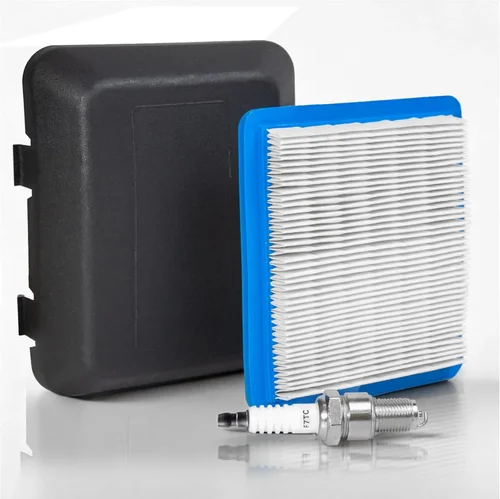
When your Honda HRX217 lawn mower starts bogging down during operation, it’s not just an inconvenience—it’s a sign that something critical is wrong under the hood. One of the most common yet often overlooked culprits is a clogged or failing fuel filter. The fuel filter plays a vital role in protecting your engine by trapping dirt, debris, and contaminants before they reach the carburetor. Over time, especially with ethanol-blended fuels or infrequent use, these filters can become restricted, leading to poor engine performance, stalling, hard starts, and that frustrating “bogging” sensation when you engage the throttle.
This comprehensive buying guide is designed to help you navigate the often-confusing world of replacement fuel filters for the Honda HRX217. Whether you’re a seasoned DIY mechanic or a first-time lawn mower owner, understanding what to look for—and where to buy—can save you time, money, and repeated trips to the repair shop. We’ll walk you through every step: from identifying the right part number and evaluating quality, to comparing prices across retailers and avoiding common pitfalls. By the end of this guide, you’ll have all the knowledge needed to make a confident, informed purchase that keeps your HRX217 running smoothly season after season.
The market for small engine parts like fuel filters may seem limited at first glance, but there’s actually a wide range of options available—from genuine Honda OEM parts to third-party alternatives offered by brands like Briggs & Stratton, Stens, and Oregon. Each comes with its own set of trade-offs in terms of price, compatibility, durability, and availability. Some are sold individually, while others come bundled with gaskets or installation tools. Online retailers like Amazon, eBay, and specialized lawn equipment sites compete with local hardware stores and authorized Honda dealers, each offering different advantages in shipping speed, return policies, and customer support. With so many variables at play, it’s easy to overspend on an unnecessary premium part—or worse, buy a cheap knockoff that fails within weeks. This guide cuts through the noise and gives you a clear roadmap to the best value, reliability, and performance for your specific needs.
What to Look for When Buying Buying Guide
1. OEM vs. Aftermarket Compatibility
One of the first decisions you’ll face is whether to go with a genuine Honda OEM (Original Equipment Manufacturer) fuel filter or an aftermarket alternative. The Honda HRX217 uses a specific inline fuel filter (part number 17254-Z8B-003), which is designed to exact specifications for fit, flow rate, and filtration efficiency. OEM filters are manufactured to Honda’s stringent standards and are guaranteed to fit your mower without modification. They typically offer superior materials and tighter tolerances, which can translate to longer service life and more consistent performance.
Aftermarket filters, on the other hand, are produced by third-party companies and may vary widely in quality. Some aftermarket brands, like Stens or Oregon, produce high-quality equivalents that meet or exceed OEM specs, often at a lower price point. However, others may use inferior materials or incorrect dimensions, leading to leaks, poor fitment, or premature failure. Always verify compatibility by cross-referencing the part number and checking customer reviews. Look for filters explicitly listed as compatible with the Honda HRX217 or the GCV190 engine, which powers this model. A mismatched filter might seem like a bargain upfront but could cost you more in repairs or replacements down the line.
2. Filtration Efficiency and Material Quality
The primary job of a fuel filter is to remove contaminants from the fuel before it reaches the engine. In small engines like the one in your HRX217, even tiny particles can cause significant damage over time. Therefore, the material and construction of the filter are critical. High-quality filters use multi-layered media—often a combination of paper, synthetic fibers, or mesh—that effectively traps particles as small as 10 microns without restricting fuel flow.
Cheaper filters may use thin, single-layer paper that degrades quickly, especially when exposed to modern ethanol-blended gasoline. Ethanol attracts moisture, which can lead to phase separation and the formation of gums and varnishes that clog filters faster. Look for filters labeled as “ethanol-resistant” or “high-flow” if you frequently use E10 fuel. Additionally, check the housing material: durable plastic or metal casings resist cracking and warping better than brittle alternatives. A well-constructed filter should maintain its shape under pressure and temperature fluctuations typical in outdoor mowing conditions.
3. Ease of Installation and Accessibility
Even the best fuel filter is useless if it’s a hassle to install. The Honda HRX217 features an inline fuel filter located along the fuel line between the tank and carburetor, accessible once the air filter cover is removed. However, some replacement filters come with pre-attached hose barbs or quick-connect fittings that simplify installation, while others require cutting and re-clamping the fuel line.
When evaluating options, consider whether the filter includes installation instructions, clamps, or adapters. Some kits even come with a small tube of fuel-safe lubricant to ease insertion into the fuel line. If you’re not comfortable working with small fuel lines, look for filters that are marketed as “tool-free” or “snap-in.” Also, note the orientation: most inline filters are directional, meaning they must be installed with the arrow pointing toward the carburetor. Reversing the flow can reduce efficiency or cause failure. Choosing a filter that matches the original’s design minimizes the risk of installation errors.
4. Price vs. Long-Term Value
It’s tempting to grab the cheapest fuel filter you can find—especially since they’re a relatively small component. But pricing should be viewed through the lens of long-term value, not just upfront cost. A $5 filter might save you money today, but if it clogs in three months or causes fuel delivery issues that damage your carburetor, you’ve actually spent more in the long run.
Conversely, paying $20–$30 for a premium filter isn’t always necessary unless you mow frequently or operate in dusty environments. Most homeowners will find excellent value in mid-tier options ($8–$15) that balance quality and affordability. Consider how often you use your mower: if you mow weekly during a long season, investing in a higher-grade filter makes sense. But if you only mow a few times a year, a standard OEM or reputable aftermarket filter will suffice. Always factor in shipping costs and bundle deals—some retailers offer discounts when you buy multiple filters or pair them with air or oil filters.
5. Brand Reputation and Customer Support
Not all fuel filter brands are created equal. Established names like Honda, Briggs & Stratton, Stens, and Oregon have built reputations for reliability and consistency. These companies often provide detailed product descriptions, compatibility charts, and responsive customer service. If you encounter an issue—such as a defective seal or incorrect fit—you’re more likely to get a replacement or refund quickly.
Avoid no-name brands sold exclusively through obscure online marketplaces. While they may look similar, they often lack quality control and technical support. Check for certifications like ISO 9001 or compliance with SAE standards, which indicate adherence to industry benchmarks. Reading verified purchase reviews is also invaluable: look for comments about real-world performance, longevity, and ease of installation. A brand with consistently positive feedback from HRX217 owners is a strong indicator of a trustworthy product.
6. Warranty and Return Policy
A solid warranty or return policy is a hallmark of a confident manufacturer—and a smart buyer’s safety net. Most reputable fuel filters come with at least a 90-day warranty, covering defects in materials or workmanship. Some premium brands offer one-year coverage. This matters because even high-quality filters can fail prematurely due to manufacturing flaws.
Before purchasing, review the seller’s return policy. Online retailers like Amazon and Home Depot typically allow returns within 30 days, even for used items, as long as they’re in resalable condition. Local hardware stores may have stricter policies, so ask beforehand. If you buy from an authorized Honda dealer, you’ll likely get the best support, including access to technical diagrams and expert advice. Always keep your receipt and packaging until you’ve confirmed the filter works correctly after installation.
7. Availability and Shipping Speed
When your mower is down due to a clogged fuel filter, waiting a week for shipping isn’t ideal. Availability varies significantly by retailer. Big-box stores like Lowe’s, Home Depot, and Tractor Supply often carry common small engine parts in-store, allowing for same-day pickup. However, their selection may be limited to a few brands, and they might not stock the exact Honda part number.
Online retailers offer broader inventories but differ in delivery times. Amazon Prime members can often get next-day delivery on eligible items, while specialty sites like Jack’s Small Engines or Mowers Direct may take 3–5 business days. If you need the part urgently, check local lawn equipment repair shops—they frequently keep OEM filters in stock for popular models like the HRX217. Some even offer free installation if you purchase the part from them. Weigh convenience against cost: paying a small premium for faster shipping may be worth it if you rely on your mower for weekly maintenance.
8. Environmental and Storage Considerations
Fuel filters don’t last forever—even when unused. Over time, the filter media can degrade, especially if exposed to heat, humidity, or sunlight. If you’re buying in bulk or storing spares, choose filters with long shelf lives and store them in a cool, dry place away from direct light. Some manufacturers specify a 2–3 year shelf life; check the packaging for expiration dates.
Additionally, consider your local climate. In humid regions, moisture buildup in the fuel system is more common, accelerating filter clogging. In dusty or sandy areas, airborne debris can enter the fuel tank and overwhelm the filter faster. In these cases, replacing the filter more frequently—or choosing a high-capacity model—may be worthwhile. Also, if you store your mower over winter, always drain the fuel or use a stabilizer to prevent gum formation that can clog the filter before the next season even begins.
Different Types of Buying Guide

Common Buying Mistakes to Avoid
❌ Mistake: Ignoring the Part Number
Why it’s bad: The Honda HRX217 uses a specific fuel filter (17254-Z8B-003). Buying a generic “fits Honda mowers” filter without verifying compatibility can result in incorrect sizing, poor sealing, or restricted flow. This leads to the same bogging issues you’re trying to fix—or worse, engine damage.
What to do instead: Always cross-check the part number against your owner’s manual or Honda’s official parts diagram. If in doubt, contact an authorized dealer with your serial number for confirmation.
❌ Mistake: Choosing Based Solely on Price
Why it’s bad: The cheapest option is rarely the best value. Ultra-low-cost filters often use subpar materials that degrade quickly, especially with ethanol fuel. You may end up replacing it multiple times per season, negating any initial savings.
What to do instead: Aim for the mid-range tier ($8–$15) where quality and cost balance effectively. Read reviews from verified buyers who own the HRX217 specifically.
❌ Mistake: Overlooking Installation Direction
Why it’s bad: Inline fuel filters are directional. Installing them backward reduces filtration efficiency and can cause fuel starvation under load, mimicking the original bogging problem.
What to do instead: Look for the flow arrow on the filter body and ensure it points toward the carburetor. If there’s no arrow, consult the manual or match the orientation of the old filter.
❌ Mistake: Buying from Unverified Sellers
Why it’s bad: Third-party sellers on marketplaces like eBay or Amazon may list counterfeit or expired parts. These can fail prematurely or not fit at all, leaving you without recourse.
What to do instead: Purchase from authorized dealers, reputable retailers, or well-reviewed sellers with high ratings and clear return policies.
❌ Mistake: Neglecting Preventive Maintenance
Why it’s bad: Replacing the fuel filter is reactive. If you don’t address underlying issues like stale fuel, dirty tanks, or carburetor problems, the new filter will clog quickly.
What to do instead: Clean the fuel tank, use fresh stabilized fuel, and consider a carburetor cleaning when replacing the filter. This extends the life of your new part.
❌ Mistake: Storing Filters Improperly
Why it’s bad: Exposure to heat, moisture, or sunlight can degrade filter media over time, even before installation. A “new” filter stored in a hot garage for two years may already be compromised.
What to do instead: Store spare filters in their original packaging in a cool, dry place. Label them with the purchase date and rotate stock if you buy in bulk.
❌ Mistake: Assuming All Aftermarket Filters Are Equal
Why it’s bad: Just because a filter fits doesn’t mean it performs well. Some aftermarket brands cut corners on media quality or housing durability, leading to leaks or premature clogging.
What to do instead: Stick to established aftermarket brands with positive track records. Check forums like LawnSite or Reddit’s r/lawncare for community recommendations.
Budget Guidelines: How Much Should You Spend?
Entry-Level ($4–$7): This tier includes generic or no-name filters, often sold in bulk or as part of discount kits. While they may physically fit, expect shorter lifespans and potential compatibility issues. Best reserved for emergency replacements or very occasional use. Not recommended for weekly mowers.
Mid-Range ($8–$15): This is the sweet spot for most homeowners. Filters in this range come from reputable aftermarket brands or are genuine OEM parts on sale. They offer reliable performance, good build quality, and compatibility with the HRX217. You’ll find options with ethanol resistance, clear housings for visual inspection, and included clamps. Ideal for regular seasonal use.
Premium ($16–$22): Typically genuine Honda OEM filters or high-end aftermarket equivalents from brands like Oregon Pro. These offer the highest filtration efficiency, longest service life, and full warranty coverage. Worth the investment if you mow frequently, operate in harsh conditions, or want peace of mind knowing you’re using the exact factory-spec part.
Luxury ($23+): At this price point, you’re likely buying multi-packs, service kits, or filters bundled with tools and lubricants. While convenient, the per-unit cost is higher. Only justified if you maintain multiple mowers or perform full seasonal overhauls annually. For a single HRX217, this tier offers diminishing returns.
Expert Tips for Getting the Best Deal
- Buy During Off-Season: Prices on lawn equipment parts often dip in late fall and winter when demand is low. Purchase your fuel filter in November or December for spring use.
- Use Price Tracking Tools: Set up alerts on Amazon, Google Shopping, or CamelCamelCamel to notify you when prices drop on specific filters.
- Check Local Dealers for Promotions: Authorized Honda dealers sometimes offer “tune-up kits” that include fuel, air, and oil filters at a bundled discount.
- Compare Total Cost, Not Just Unit Price: Factor in shipping, taxes, and return fees. A $10 filter with $8 shipping isn’t a bargain.
- Read the Fine Print on Returns: Ensure you can return the item if it doesn’t fit—even after opening the package.
- Test Immediately After Installation: Run your mower under load (e.g., mowing tall grass) to confirm the bogging issue is resolved. If not, the problem may lie elsewhere (carburetor, spark plug, etc.).
- Join Owner Forums: Communities like Honda Lawn Mower Owners on Facebook often share exclusive discount codes or flash sales.
- Consider Subscription Services: Some online retailers offer auto-delivery for maintenance parts. While not common for fuel filters, it’s worth checking for bundled deals.

Frequently Asked Questions
Q: How often should I replace the fuel filter on my Honda HRX217?
A: Honda recommends inspecting the fuel filter annually and replacing it every 2–3 years under normal conditions. However, if you notice bogging, hard starting, or use ethanol fuel frequently, replace it yearly. In dusty environments or with infrequent use (leading to stale fuel), annual replacement is wise.
Q: Can I clean and reuse the fuel filter instead of replacing it?
A: No. Fuel filters are designed as disposable components. Attempting to clean them with compressed air or solvents can damage the media and reduce effectiveness. Always replace with a new filter.
Q: Will a clogged fuel filter cause my HRX217 to bog down only under load?
A: Yes. At idle, the engine uses minimal fuel, so a partially clogged filter may not show symptoms. But when you engage the blades or push the mower uphill, fuel demand increases—and a restricted filter can’t keep up, causing the engine to bog or stall.
Q: Is it safe to use E10 fuel in my HRX217?
A: Honda approves E10 (10% ethanol) for the HRX217, but ethanol attracts moisture and can accelerate filter clogging. Use fuel stabilizer and replace the filter more frequently if using E10 regularly.
Q: Where exactly is the fuel filter located on the HRX217?
A: It’s an inline filter mounted on the fuel line beneath the air filter housing. Remove the air filter cover and look for a small cylindrical component clamped to the black fuel hose between the tank and carburetor.
Q: Can I replace the fuel filter without disconnecting the fuel line?
A: Technically yes, but it’s not recommended. You risk spilling fuel or damaging the line. Always clamp the fuel line with needle-nose pliers or a fuel line clamp tool before removal.
Q: What if my new filter doesn’t fix the bogging issue?
A: The problem may be deeper—such as a dirty carburetor, faulty spark plug, or air leak. A clogged fuel filter is just one potential cause. Consider a full tune-up if symptoms persist.
Q: Are there visual signs that my fuel filter is clogged?
A: Some filters have translucent housings—you can see debris buildup inside. Others require removal for inspection. If fuel flow is slow when you disconnect the line, the filter is likely restricted.
Q: Can I use a universal fuel filter instead of the Honda-specific one?
A: Only if it matches the inner diameter (typically 1/4 inch) and length. Universal filters may work in a pinch, but OEM or equivalent aftermarket filters ensure proper flow and fit.
Q: Does the fuel filter affect fuel economy?
A: Indirectly, yes. A clogged filter forces the engine to work harder, potentially reducing efficiency. A clean filter ensures optimal fuel delivery, supporting peak performance and fuel economy.
Our Final Recommendations
Best for Budget-Conscious Buyers: Stens 135-406 Fuel Filter – At around $9, this aftermarket filter matches OEM specs and is widely praised for reliability. Great value for occasional users.
Best Overall Value: Genuine Honda 17254-Z8B-003 OEM Fuel Filter – Priced at $14–$16, it’s the exact factory part with guaranteed fit and performance. Ideal for most owners seeking peace of mind.
Best Premium Option: Oregon 49-310 Professional Fuel Filter – Engineered for heavy-duty use, this filter features high-flow media and ethanol resistance. Perfect for frequent mowers or commercial use.
Best for Beginners: Honda Genuine Part with Installation Guide – Purchase from an authorized dealer who can provide step-by-step instructions or even install it for you. Minimizes risk of error.
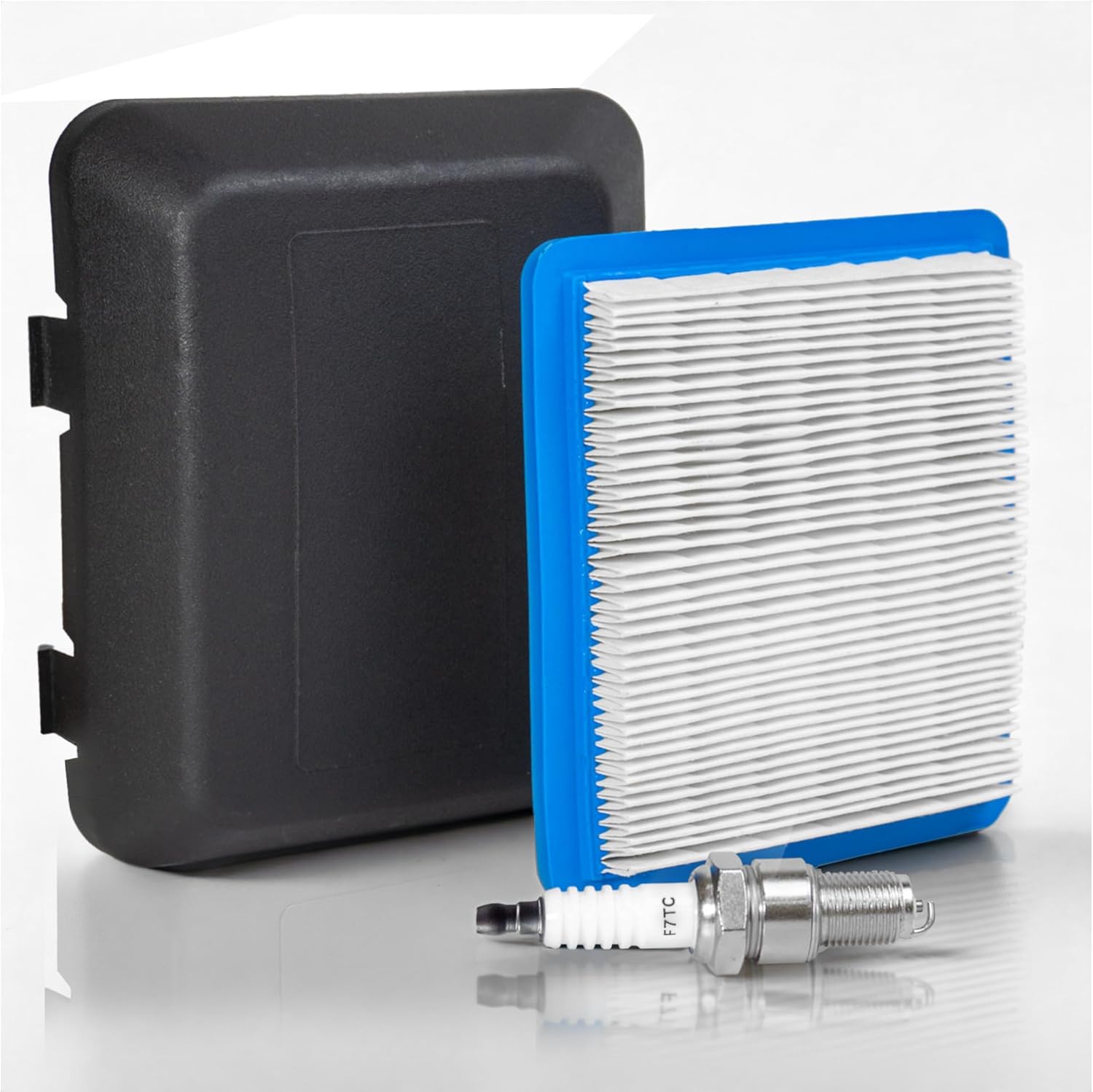
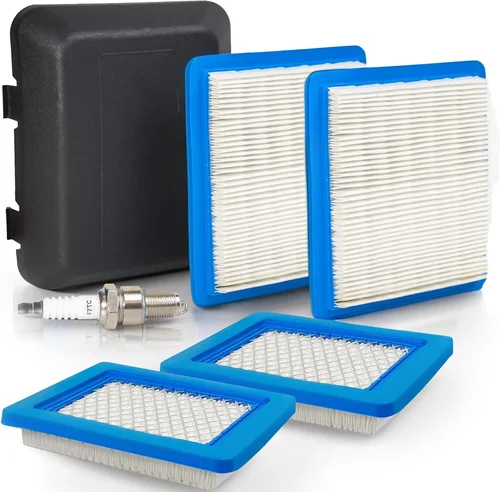
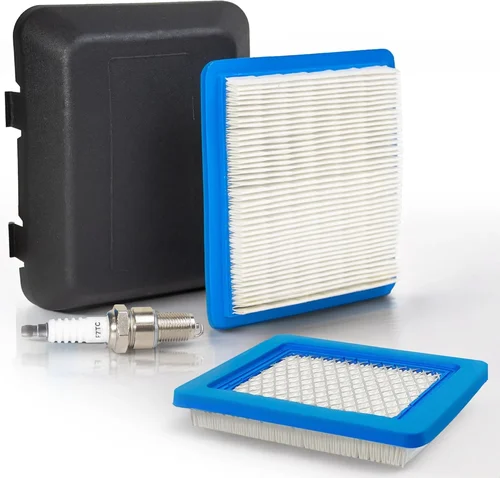
Best for Advanced Users: Multi-Pack Service Kit (e.g., from Mowers Direct) – Includes fuel filter, air filter, spark plug, and clamps. Cost-effective for those doing full seasonal maintenance.
Conclusion: Making the Right Choice
Replacing the fuel filter on your Honda HRX217 is a simple yet critical maintenance task that can restore smooth operation and prevent costly repairs. By now, you understand that the right choice isn’t just about finding the cheapest part—it’s about balancing compatibility, quality, price, and long-term reliability. Whether you opt for a genuine Honda OEM filter or a trusted aftermarket alternative, prioritizing proper fit and filtration efficiency will keep your mower running like new.
Remember to consider your usage patterns, local climate, and fuel type when making your decision. Don’t fall for ultra-cheap knockoffs, and always verify compatibility using the correct part number. With the insights from this guide, you’re equipped to shop confidently across retailers—online or in-store—and avoid the common pitfalls that lead to repeated failures.
Your HRX217 deserves the best care. Take action today: inspect your current fuel filter, order a replacement from a reputable source, and get back to mowing with confidence. A well-maintained mower isn’t just more efficient—it’s more enjoyable to use. Happy mowing!