
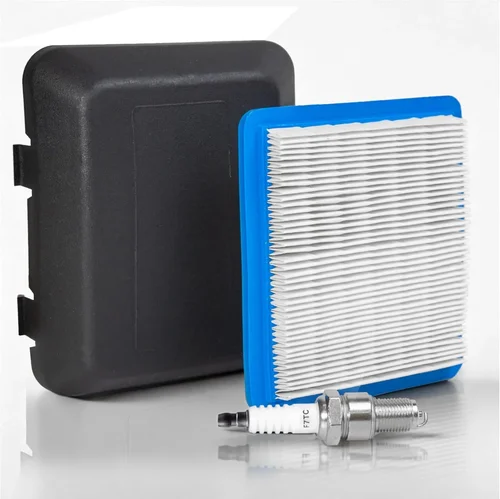
If your Honda HRX217 lawn mower is stalling unexpectedly—especially under load, when you engage the blades, or after running for just a few minutes—you’re not alone. This frustrating issue affects countless homeowners each season, often traced back to a failing or damaged flywheel. The flywheel plays a critical role in engine operation: it stores rotational energy, helps regulate engine speed, and works closely with the ignition system to ensure smooth combustion. When it’s cracked, warped, or has damaged fins, performance suffers dramatically—and stalling becomes inevitable.
Replacing the flywheel isn’t just about restoring function; it’s about preventing further damage to your mower’s engine and ensuring safe, reliable operation for years to come. But with so many replacement options on the market—from OEM (Original Equipment Manufacturer) parts to aftermarket alternatives—it’s easy to feel overwhelmed. That’s why this guide exists: to cut through the confusion and help you make an informed, confident decision. Whether you’re a DIY enthusiast or a first-time repairer, we’ll walk you through everything you need to know to find the right flywheel for your Honda HRX217.
In this comprehensive buyer’s guide, you’ll learn how to identify a quality flywheel, understand key performance specs, compare OEM versus aftermarket options, avoid common purchasing pitfalls, and ultimately choose the best replacement based on your budget and needs. We’ll also cover where to buy, what to look for in warranties and support, and expert tips to get the best deal without sacrificing reliability. By the end, you’ll have all the tools necessary to fix that stalling issue once and for all—and get back to mowing with confidence.
The market for Honda HRX217 flywheels is surprisingly diverse. You’ll find OEM flywheels directly from Honda, which offer exact fit and factory-tested performance but come at a premium price. On the other end of the spectrum are budget-friendly aftermarket options from brands like MOWI, MaxPower, and Oregon, which can be excellent value picks if you know what to look for. There are also performance-oriented upgrades designed for heavy-duty use or modified engines. With prices ranging from under $50 to over $150, understanding the differences is crucial. This guide will help you navigate that landscape with clarity, so you don’t overpay for features you don’t need—or worse, end up with a subpar part that fails within weeks.
What to Look for When Buying Buying Guide
1. OEM vs. Aftermarket: Know the Difference
One of the first decisions you’ll face is whether to go with an OEM (Original Equipment Manufacturer) flywheel from Honda or an aftermarket alternative. OEM flywheels are made by Honda or its authorized suppliers and are designed to match the exact specifications of your HRX217’s original part. They offer guaranteed compatibility, consistent quality, and often come with a manufacturer warranty. If you prioritize peace of mind and long-term reliability—especially if your mower is still under warranty or you plan to keep it for many more seasons—OEM is the safest bet.
Aftermarket flywheels, on the other hand, are produced by third-party manufacturers and can vary widely in quality. Some are nearly indistinguishable from OEM in terms of materials and performance, while others use inferior metals or imprecise machining that can lead to imbalance, poor heat dissipation, or premature failure. However, reputable aftermarket brands often offer significant cost savings—sometimes 30–50% less than OEM—without sacrificing much in terms of durability. Look for brands with strong reputations in small engine parts, such as MOWI, Oregon, or MaxPower, and always check compatibility with your specific HRX217 model (e.g., HRX217HXA, HRX217VXA).
2. Material Quality and Construction
The material and build quality of a flywheel directly impact its lifespan and performance. Most flywheels are made from cast iron or forged steel, with cast iron being more common due to its excellent heat retention and vibration-dampening properties. High-quality flywheels will have precision-machined surfaces, balanced weight distribution, and robust cooling fins to prevent overheating—a common cause of engine stalling.
Avoid flywheels with visible porosity, rough casting marks, or uneven fin spacing. These are signs of poor manufacturing and can lead to imbalance, which causes excessive vibration, premature bearing wear, and even engine damage over time. Also, check that the keyway (the slot that aligns with the crankshaft key) is clean and properly sized. A misaligned or worn keyway can cause ignition timing issues, leading to hard starts, misfires, or stalling under load.
Some premium aftermarket flywheels now use heat-treated steel or include anti-corrosion coatings, which can extend service life in humid or salty environments. While these features add cost, they’re worth considering if you live in a coastal area or store your mower outdoors.
3. Compatibility and Fitment Accuracy
Not all flywheels labeled “for Honda HRX217” are created equal. The HRX217 series spans multiple model years and engine variants, and even small differences in crankshaft diameter, bolt pattern, or keyway size can render a flywheel unusable. Always verify compatibility using your mower’s model number (found on the back of the deck) and engine code (stamped on the engine block).
For example, the Honda GCV190 engine used in many HRX217 models has a 19mm crankshaft, while the GCV200 uses a 20mm shaft. Using the wrong flywheel can result in a loose fit, stripped threads, or catastrophic engine failure. Reputable sellers will provide a detailed compatibility chart or allow you to enter your model number for verification. If in doubt, contact the manufacturer or consult Honda’s official parts diagram online.
Additionally, ensure the flywheel includes or is compatible with the correct flywheel nut, washer, and key. These small components are often overlooked but are essential for proper installation and safety. A missing or incorrect key can cause the flywheel to spin freely on the crankshaft, leading to loss of ignition timing and engine damage.
4. Cooling Efficiency and Fin Design
The flywheel’s cooling fins are critical for engine performance, especially during extended mowing sessions. As the engine runs, the spinning flywheel draws air through the engine compartment, cooling the cylinder head, carburetor, and other components. If the fins are damaged, bent, or poorly designed, airflow is restricted, causing the engine to overheat and stall—particularly when cutting thick grass or working uphill.
When evaluating a replacement flywheel, inspect the fin design. Look for evenly spaced, vertically oriented fins that extend close to the outer edge of the flywheel. Avoid designs with shallow or irregular fins, as they won’t move enough air. Some high-performance flywheels feature curved or angled fins for improved airflow, but these are typically unnecessary for standard residential use unless you’re modifying your mower for higher output.
Also, check for signs of heat damage on used or refurbished flywheels. Discoloration (blue or purple hues), warping, or cracking around the fins indicates past overheating and suggests the flywheel may fail again under similar conditions. A quality replacement should be free of these defects.
5. Warranty and Return Policy
A strong warranty is a strong indicator of a manufacturer’s confidence in their product. OEM flywheels from Honda typically come with a 1-year limited warranty, covering defects in materials and workmanship. Many reputable aftermarket brands offer similar or even longer warranties—sometimes up to 2 years—especially if purchased through authorized dealers.
Before buying, review the seller’s return policy. Can you return the flywheel if it doesn’t fit? Is there a restocking fee? How long do you have to test it? A generous return window (30 days or more) gives you time to install and test the part without risk. Avoid sellers with “all sales final” policies unless you’re absolutely certain of compatibility.
Also, check whether the warranty covers installation labor. Some manufacturers will reimburse you for professional installation if the part fails prematurely—a valuable perk if you’re not comfortable doing the work yourself.
6. Price vs. Value: Avoiding the Cheapest Option
It’s tempting to grab the lowest-priced flywheel you can find, especially when dealing with a frustrating stalling issue. But in the world of small engine parts, price often correlates with quality. A $35 flywheel from an unknown brand may save you money upfront, but if it fails in six months—or worse, damages your engine—you’ll end up spending more in the long run.
Instead, think in terms of value: what are you getting for your money? A mid-range aftermarket flywheel from a trusted brand ($60–$90) often delivers 90% of OEM performance at half the cost. These parts are usually made with similar materials, undergo quality control testing, and come with solid warranties. Reserve the budget options for temporary fixes or older mowers you plan to replace soon.
That said, don’t assume that the most expensive option is always the best. Some premium flywheels are over-engineered for typical residential use and may not justify their $130+ price tag unless you’re running a commercial mowing operation or have modified your engine.
7. Seller Reputation and Customer Support
Where you buy matters as much as what you buy. Purchasing from a reputable seller ensures you get a genuine, undamaged product with reliable customer support if issues arise. Avoid third-party marketplaces with unverified sellers—especially those with no return policy or vague product descriptions.
Stick to authorized Honda dealers, well-known outdoor power equipment retailers (like Mowers Direct, Jack’s Small Engines, or Northern Tool), or trusted online auto parts stores with strong reviews. These sellers often provide detailed product specs, compatibility tools, and responsive customer service. If you have questions about installation or fitment, they should be able to help.
Also, check recent customer reviews for the specific flywheel model you’re considering. Look for comments about ease of installation, performance after replacement, and whether the stalling issue was resolved. A flywheel that consistently receives praise for fixing HRX217 stalling problems is a good sign.
8. Ease of Installation and Included Components
Replacing a flywheel isn’t a simple task—it requires removing the engine cover, disconnecting the ignition coil, and using a flywheel puller to safely extract the old part. Because of this complexity, many buyers appreciate flywheels that come with installation guides, torque specifications, or even video tutorials.
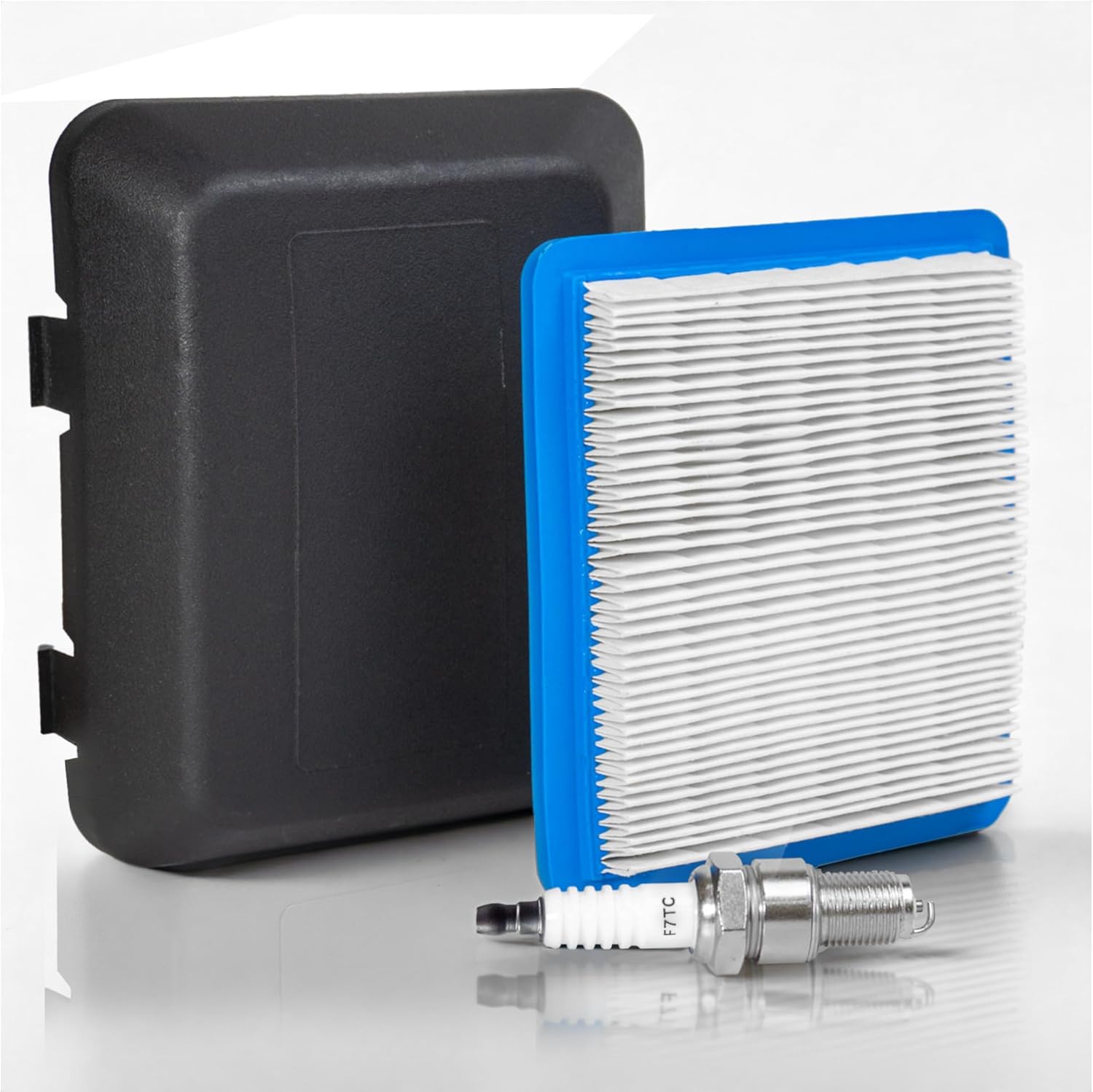
Some kits include essential tools like a new flywheel key, nut, and washer, which can save you a trip to the hardware store. Others may bundle a replacement ignition coil or air filter, offering a complete tune-up solution. While these extras add cost, they can be convenient if you’re doing a full engine refresh.
If you’re not experienced with small engine repairs, consider paying a professional for installation—even if you buy the part yourself. Improper installation can lead to bent crankshafts, damaged threads, or unsafe operation. Many dealers offer installation services, and some warranties require professional installation to remain valid.