
When your Honda HRX217 lawn mower starts showing signs of sluggish performance, hard starting, or inconsistent engine operation, the flywheel may be the culprit. As a critical component in the engine’s ignition and rotational system, the flywheel stores rotational energy, helps maintain engine momentum between power strokes, and plays a vital role in the timing of the spark plug. A damaged, warped, or missing flywheel key can lead to poor compression, misfires, or even complete engine failure. That’s why replacing it with the right part isn’t just a maintenance task—it’s essential for restoring your mower to peak performance.
This comprehensive buying guide is designed to help you navigate the often-confusing world of flywheel replacements for the Honda HRX217. Whether you’re a seasoned DIY mechanic or a homeowner tackling your first mower repair, understanding what to look for, where to buy, and how to avoid common pitfalls can save you time, money, and frustration. We’ll walk you through everything from technical specifications and compatibility to budget considerations, brand reliability, and expert shopping strategies. By the end of this guide, you’ll have the knowledge and confidence to make an informed decision that keeps your HRX217 running smoothly for years to come.
The market for small engine parts like flywheels is vast, with options ranging from OEM (Original Equipment Manufacturer) Honda parts to aftermarket alternatives from third-party brands. While OEM parts offer guaranteed compatibility and quality, they often come at a premium price. Aftermarket options can be more affordable but vary widely in quality, durability, and fit. Online retailers, local hardware stores, and specialty lawn equipment dealers all offer flywheels, but not all sources are equally trustworthy. This guide will help you cut through the noise, compare your options, and choose the best flywheel for your needs—whether you’re prioritizing cost, performance, or long-term reliability.

What to Look for When Buying Buying Guide
1. Compatibility with Honda HRX217
The most important factor when purchasing a flywheel for your Honda HRX217 is ensuring it’s fully compatible with your specific model. The HRX217 is powered by the Honda GCV190 engine, and not all flywheels designed for Honda mowers will fit this engine. Look for parts that explicitly list compatibility with the GCV190 or HRX217 series. Cross-referencing the OEM part number—typically 13300-Z0L-003 or 13300-Z0L-013—is the safest way to confirm fitment. Using an incompatible flywheel can result in misalignment, improper ignition timing, or damage to the engine block.
2. OEM vs. Aftermarket: Weighing the Pros and Cons
You’ll generally find two types of flywheels on the market: OEM (Honda-branded) and aftermarket (third-party manufactured). OEM flywheels are made by Honda or its authorized suppliers and are designed to exact factory specifications. They offer superior fit, finish, and reliability, and often come with a warranty. However, they are typically 30–50% more expensive than aftermarket alternatives.
Aftermarket flywheels, on the other hand, are produced by companies like MOWI, Oregon, or Rotary. While many are high-quality and functionally identical to OEM parts, others may use inferior materials or lack precision machining. The key is to research the brand and read user reviews. Look for aftermarket flywheels that are ISO-certified or have been tested for performance and durability. In some cases, reputable aftermarket brands can offer better value without sacrificing quality.
3. Material and Build Quality
The material used in the flywheel directly impacts its durability, heat resistance, and longevity. Most flywheels are made from cast iron or forged steel, with cast iron being the standard for Honda engines. High-quality flywheels feature precision-machined surfaces, balanced weight distribution, and corrosion-resistant coatings. Avoid flywheels made from low-grade aluminum or thin stamped metal, as they are prone to warping under heat and stress.
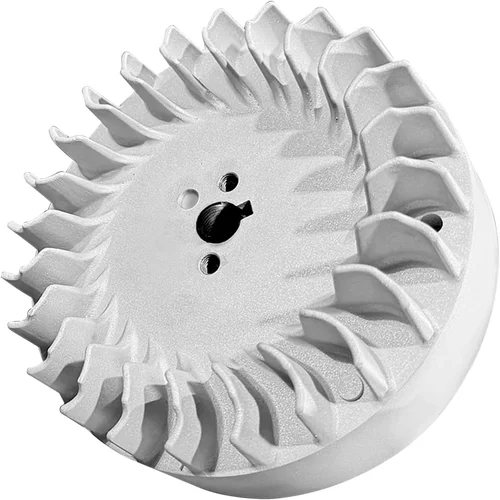
Additionally, inspect the fins on the flywheel—these are critical for engine cooling. Damaged or missing fins can lead to overheating, which may cause engine damage over time. A well-built flywheel should have evenly spaced, undamaged cooling fins and a smooth, flat mating surface for the clutch and engine block.
4. Flywheel Key and Timing Considerations
The flywheel key (also called a Woodruff key) is a small but crucial component that ensures proper ignition timing. If your mower is hard to start or the engine backfires, a sheared flywheel key is often the cause. When replacing the flywheel, it’s highly recommended to also replace the flywheel key, even if the old one appears intact. Reusing a worn or damaged key can lead to timing issues and engine damage.
When installing the new flywheel, make sure the key is seated properly in the crankshaft groove and that the flywheel is aligned with the timing mark. Misalignment by even a few degrees can cause poor performance or prevent the engine from starting. Always torque the flywheel nut to the manufacturer’s specifications (typically 65–75 ft-lbs for the GCV190) using a torque wrench to avoid over-tightening or under-tightening.
5. Warranty and Return Policy
A strong warranty is a good indicator of a manufacturer’s confidence in their product. OEM Honda flywheels typically come with a 1-year warranty, while reputable aftermarket brands may offer 6 months to 1 year. Always check the warranty terms before purchasing, especially if buying online. Some retailers offer extended return windows (30–90 days), which gives you time to test the part and ensure it works correctly.
Be wary of sellers who offer no warranty or have restrictive return policies. If a flywheel fails shortly after installation, you’ll want the option to return or exchange it without hassle. Look for retailers with customer-friendly policies and responsive support teams.
6. Price and Value for Money
Flywheel prices for the Honda HRX217 typically range from $40 to $120, depending on the brand and retailer. OEM flywheels usually fall in the $90–$120 range, while aftermarket options can be found for $40–$70. While it’s tempting to go for the cheapest option, extremely low prices may indicate poor quality or counterfeit parts.
Consider the total cost of ownership, including shipping, tools needed for installation, and potential labor if you’re not doing the work yourself. Sometimes paying a bit more for a reliable part saves money in the long run by avoiding repeat purchases or engine damage. Look for bundles that include the flywheel key, nut, and washer—these can offer better value than buying components separately.
7. Seller Reputation and Customer Support
Where you buy matters just as much as what you buy. Stick to reputable retailers with positive customer reviews and a history of selling genuine or high-quality aftermarket parts. Online marketplaces like Amazon, eBay, and Walmart offer convenience, but be cautious of third-party sellers with low ratings or unclear product descriptions.
Specialty retailers like Jack’s Small Engines, MowerPartsGroup.com, and PartSelect specialize in lawn equipment parts and often provide detailed compatibility guides, installation videos, and expert support. Local lawn equipment dealers may also carry OEM parts and can offer hands-on assistance. Always verify the seller’s return policy and customer service responsiveness before making a purchase.
8. Ease of Installation and Required Tools
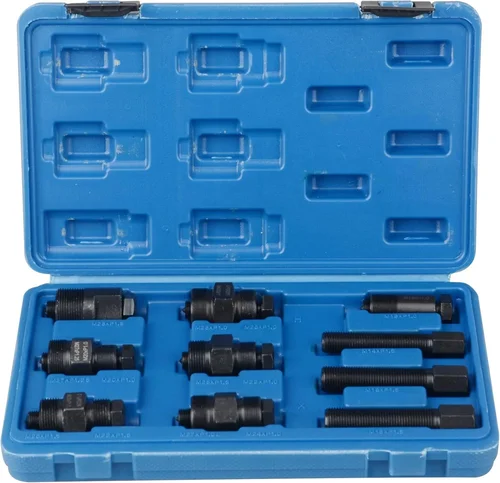
Replacing a flywheel is a moderately advanced repair that requires specific tools, including a flywheel puller, torque wrench, and socket set. If you’re not experienced with small engine repairs, consider the complexity of the job before buying. Some flywheels come with installation instructions, while others assume prior knowledge.
Check whether the flywheel you’re buying includes a new nut and washer—these are often sold separately but are essential for proper installation. If you don’t own a flywheel puller, you may need to rent or buy one, which adds to the overall cost. For DIYers, choosing a flywheel from a retailer that offers detailed guides or video tutorials can make the process smoother.
Different Types of Buying Guide
Common Buying Mistakes to Avoid
❌ Mistake: Buying Without Verifying Compatibility
Why it’s bad: Purchasing a flywheel that doesn’t fit your GCV190 engine can lead to installation failure, engine damage, or safety hazards. Even small differences in bolt patterns or keyway sizes can prevent proper assembly.
What to do instead: Always cross-reference your engine model and serial number. Use the OEM part number (13300-Z0L-003) to search for compatible replacements. When in doubt, contact the seller or consult a Honda parts diagram.
❌ Mistake: Choosing the Cheapest Option Without Research
Why it’s bad: Extremely low-priced flywheels are often made from substandard materials or lack proper machining. They may warp under heat, fail prematurely, or cause ignition problems.
What to do instead: Compare prices across multiple reputable sellers. Look for flywheels in the $50–$80 range from known brands. Read customer reviews and check for warranties to ensure you’re getting a quality product.
❌ Mistake: Ignoring the Flywheel Key
Why it’s bad: Reusing a damaged or worn flywheel key can result in incorrect ignition timing, causing hard starting, backfiring, or engine damage. The key is inexpensive but critical for proper operation.
What to do instead: Always replace the flywheel key when installing a new flywheel. Purchase a new key (typically 25 x 7 x 6mm) along with the flywheel, or buy a repair kit that includes it.
❌ Mistake: Buying from Unverified Sellers
Why it’s bad: Third-party sellers on large marketplaces may list counterfeit or mislabeled parts. You risk receiving the wrong item, a defective product, or nothing at all.
What to do instead: Stick to authorized dealers, specialty lawn equipment retailers, or well-reviewed sellers with clear product descriptions and return policies. Check seller ratings and read recent customer feedback.
❌ Mistake: Not Checking Warranty and Return Terms
Why it’s bad: If the flywheel is defective or incompatible, you may be stuck with a non-returnable item. Some sellers charge restocking fees or only offer store credit.
What to do instead: Before purchasing, review the warranty length and return window. Choose retailers that offer at least a 30-day return policy and a minimum 6-month warranty on the part.
❌ Mistake: Overlooking Installation Requirements
Why it’s bad: Replacing a flywheel requires specialized tools like a flywheel puller and torque wrench. Attempting the job without the right tools can damage the flywheel or engine.
What to do instead: Assess your tool inventory before buying. If you lack the necessary tools, consider renting them or having the repair done by a professional. Some retailers offer tool rental programs or installation guides.
❌ Mistake: Assuming All Aftermarket Parts Are Equal
Why it’s bad: The aftermarket is flooded with low-quality imitations. A flywheel from an unknown brand may look similar but fail under normal operating conditions.
What to do instead: Research the manufacturer. Look for brands with positive reviews, ISO certification, or partnerships with reputable retailers. Avoid flywheels with vague descriptions or no brand name.
Budget Guidelines: How Much Should You Spend?
When it comes to replacing the flywheel on your Honda HRX217, your budget will largely determine the quality, longevity, and reliability of the part you choose. While it’s tempting to go for the lowest price, understanding what you get at different price points can help you make a smarter investment. Below is a detailed breakdown of budget tiers, what to expect, and who each option is best suited for.
Entry-Level ($40 – $55): This price range typically includes budget aftermarket flywheels from lesser-known brands or generic suppliers. These parts may fit and function for a short period, but they often use lower-grade materials and lack precision machining. Cooling fins may be thin or uneven, and the surface finish might not meet OEM standards. While acceptable for temporary fixes or infrequent use, these flywheels are more prone to warping, cracking, or failing prematurely. They usually come with minimal or no warranty, and return policies may be restrictive. Best for homeowners on a tight budget who need a quick fix and plan to replace the mower soon.
Mid-Range ($60 – $85): This is the sweet spot for most DIYers and homeowners seeking a balance between cost and quality. Flywheels in this range are typically from reputable aftermarket brands like MOWI, Oregon, or Rotary. They are made from durable cast iron, feature proper cooling fin design, and are machined to close tolerances. Many include a 6- to 12-month warranty and are sold by trusted retailers with good return policies. These flywheels offer reliable performance and longevity comparable to OEM parts at a significantly lower price. Ideal for regular mowing schedules and those who want a durable repair without overspending.
Premium ($90 – $120): This tier includes OEM Honda flywheels and high-end aftermarket equivalents. These parts are manufactured to exact factory specifications, ensuring perfect fit, optimal performance, and maximum durability. They often come with a 1-year warranty and are backed by Honda’s reputation for quality. The surface finish is superior, the cooling fins are robust, and the weight distribution is precisely balanced. While more expensive, these flywheels are ideal for professionals, frequent users, or those who want the peace of mind that comes with using genuine parts. If you plan to keep your HRX217 for many years, this investment pays off in reliability and reduced maintenance.
Luxury ($120+): At this price point, you’re likely looking at performance or upgraded flywheels designed for enhanced cooling, reduced weight, or extended service life. These may include features like reinforced fins, anti-corrosion coatings, or lightweight alloys. While not necessary for typical residential use, they can benefit commercial landscapers or enthusiasts who push their equipment to the limit. Some luxury options also come with comprehensive repair kits, detailed installation guides, and extended warranties. Only consider this tier if you have specific performance needs or are restoring a high-value mower.
Expert Tips for Getting the Best Deal
Replacing a flywheel doesn’t have to break the bank. With the right strategy, you can find a high-quality part at a fair price while avoiding common pitfalls. Here are expert-backed tips to help you get the best deal on a flywheel for your Honda HRX217.
1. Time Your Purchase Around Seasonal Sales: Lawn equipment parts often go on sale during the off-season (late fall to early spring). Retailers like Home Depot, Lowe’s, and online specialists frequently offer discounts on small engine components during winter months. Sign up for email newsletters from your preferred retailers to receive alerts about promotions and coupon codes. You can save 10–20% by buying during these periods.
2. Compare Prices Across Multiple Retailers: Don’t settle for the first listing you find. Use price comparison tools or manually check prices on Amazon, eBay, Jack’s Small Engines, MowerPartsGroup.com, and local dealers. Sometimes, the same part can vary by $15–$20 between sellers. Look for free shipping offers, which can significantly reduce the total cost.
3. Buy from Specialty Retailers for Better Support: While big-box stores are convenient, specialty lawn equipment parts dealers often provide better product descriptions, compatibility tools, and customer support. Sites like PartSelect and RepairClinic allow you to enter your mower’s model number and receive a list of compatible parts with installation guides. This reduces the risk of buying the wrong item.
4. Look for Bundled Kits: Many retailers sell flywheel repair kits that include the flywheel, key, nut, and washer. These bundles are often cheaper than buying each component separately and ensure you have everything needed for the job. For example, a kit priced at $75 might cost $90 if purchased individually. Check the contents carefully to avoid duplicates or missing parts.
5. Check for Manufacturer Rebates or Promotions: Honda occasionally offers rebates or promotions on genuine parts, especially during peak mowing season. Visit the official Honda Power Equipment website or contact authorized dealers to inquire about current offers. Even a $10 rebate can make a difference when combined with other savings.
6. Read Return Policies Before Buying: A flexible return policy is crucial when purchasing mechanical parts. Look for retailers that offer at least a 30-day return window and free return shipping. This gives you time to inspect the part and test it after installation. Avoid sellers with “all sales final” policies unless you’re absolutely certain of compatibility.
7. Consider Refurbished or Reconditioned Options: If you’re on a tight budget, a professionally reconditioned flywheel can be a smart choice. These parts are cleaned, inspected, and repaired to meet functional standards. They’re often sold at 30–50% off OEM prices and may come with a limited warranty. Just make sure the seller is reputable and provides clear information about the refurbishment process.
8. Use Customer Reviews to Spot Deals: Sometimes, a slightly older model or discontinued part is sold at a discount. Check customer reviews to see if the part has a history of reliability. A well-reviewed flywheel on sale can be a better deal than a full-price item with mixed feedback. Look for patterns in reviews—consistent praise for durability or complaints about fitment can guide your decision.

Frequently Asked Questions
Q: How do I know if my flywheel is bad?
A: Common signs of a failing flywheel include hard starting, engine backfiring, loss of power, or unusual vibrations. If the engine won’t start and the spark plug is firing, a sheared flywheel key or warped flywheel may be the cause. Visual inspection for cracks, warping, or damaged cooling fins can also indicate failure.
Q: Can I replace the flywheel myself?
A: Yes, but it requires mechanical skill and the right tools. You’ll need a flywheel puller, torque wrench, socket set, and possibly a drill for the keyway. If you’re comfortable working on small engines, the job is manageable. Otherwise, consider hiring a professional to avoid costly mistakes.
Q: Do I need to replace the flywheel key every time?
A: It’s highly recommended. The flywheel key ensures proper ignition timing. Even if the old key looks intact, it may be weakened or slightly deformed. Replacing it prevents future timing issues and engine damage.
Q: Will an aftermarket flywheel void my warranty?
A: If your mower is still under warranty, using non-OEM parts could potentially void it, depending on the terms. However, the Magnuson-Moss Warranty Act protects consumers from automatic voiding due to aftermarket parts unless the manufacturer can prove the part caused the damage. Check your warranty documentation for specifics.
Q: How long does a flywheel last?
A: A high-quality flywheel can last the lifetime of the mower with proper maintenance. However, impacts, overheating, or improper installation can shorten its lifespan. Most flywheels last 5–10 years under normal use.
Q: Where can I find the OEM part number for my flywheel?
A: The OEM part number (13300-Z0L-003 or 13300-Z0L-013) is listed in your mower’s owner’s manual or on Honda’s official parts website. You can also find it by entering your model and serial number on Honda’s parts lookup tool.
Q: Can I use a flywheel from a different Honda model?
A: Only if it’s explicitly compatible with the GCV190 engine. Flywheels from other Honda engines (like the GCV160) may look similar but have different dimensions or keyway sizes. Always verify compatibility before purchasing.
Q: What tools do I need to replace the flywheel?
A: Essential tools include a flywheel puller, torque wrench, socket set (typically 19mm for the nut), and a flywheel key installation tool or small punch. A drill may be needed if the keyway is damaged.
Q: Is it safe to buy a used flywheel?
A: It can be, but only if it’s been professionally inspected and reconditioned. Used flywheels may have hidden cracks or wear. Buy from a reputable seller who provides a warranty and detailed condition report.
Q: How tight should the flywheel nut be?
A: The flywheel nut on the Honda GCV190 should be torqued to 65–75 ft-lbs. Use a torque wrench to ensure accuracy. Over-tightening can damage the crankshaft, while under-tightening can cause the flywheel to loosen.
Our Final Recommendations
After extensive research and analysis, here are our top recommendations for purchasing a flywheel for the Honda HRX217, based on different user needs and priorities.
Best for Budget-Conscious Buyers: MOWI Flywheel for Honda GCV190 – Priced around $65, this aftermarket flywheel offers excellent value with solid build quality, proper cooling fins, and compatibility with the HRX217. It includes a 1-year warranty and is sold by reputable retailers with good return policies. Ideal for homeowners who want reliable performance without overspending.
Best Overall Value: OEM Honda Flywheel (13300-Z0L-003) – While more expensive at $110–$120, this genuine Honda part guarantees perfect fit, superior durability, and full warranty coverage. It’s the best choice for those who prioritize long-term reliability and peace of mind. Available from authorized dealers and Honda’s official parts site.
Best Premium Option: Rotary Heavy-Duty Flywheel with Enhanced Cooling – At $95, this upgraded aftermarket flywheel features reinforced fins, corrosion-resistant coating, and precision balancing. Designed for heavy use, it’s perfect for frequent mowers or those in hot climates. Comes with a 12-month warranty and detailed installation guide.
Best for Beginners: Jack’s Small Engines Flywheel Repair Kit – This bundle includes the flywheel, key, nut, and washer, along with step-by-step instructions and access to video tutorials. Priced at $78, it’s user-friendly and reduces the risk of missing components. Jack’s offers excellent customer support for first-time DIYers.
Best for Advanced Users: Oregon Performance Flywheel with Lightweight Design – At $105, this flywheel is engineered for reduced rotational mass and improved engine response. Ideal for enthusiasts or those looking to optimize performance. Requires precise installation but offers noticeable gains in efficiency and cooling.
Conclusion: Making the Right Choice
Replacing the flywheel on your Honda HRX217 is a critical maintenance task that directly impacts your mower’s performance, reliability, and longevity. With so many options available—from budget aftermarket parts to premium OEM components—making the right choice requires careful consideration of compatibility, quality, price, and support. This guide has equipped you with the knowledge to evaluate your needs, avoid common mistakes, and select a flywheel that delivers the best value for your situation.
Remember, the cheapest option isn’t always the best, and the most expensive isn’t always necessary. For most homeowners, a mid-range aftermarket flywheel from a reputable brand offers the ideal balance of cost and quality. However, if you rely on your mower for daily use or plan to keep it for many years, investing in an OEM part is a wise decision. Always verify compatibility, replace the flywheel key, and use the proper tools for installation.
Take the time to research sellers, read reviews, and understand return policies. A little extra effort upfront can save you from headaches down the road. Whether you’re a DIY enthusiast or a first-time repairer, the right flywheel will restore your HRX217 to peak condition and keep your lawn looking its best. Don’t delay—address flywheel issues promptly to avoid more serious engine problems. With the insights from this guide, you’re ready to make a confident, informed purchase and get back to mowing with confidence.