
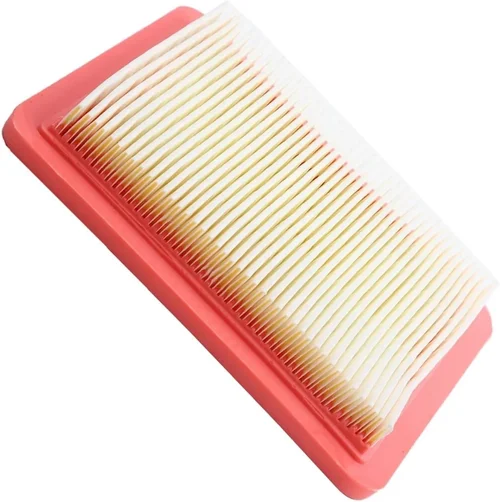
When your Honda HRX217 lawn mower starts up but then dies shortly after, one of the most common culprits is a clogged or failing air filter. This seemingly small component plays a massive role in engine performance, fuel efficiency, and overall longevity. Without proper airflow, your engine can’t maintain the precise air-fuel mixture it needs to run smoothly—leading to stalling, rough idling, or even complete shutdowns. Replacing the air filter is often the first and most cost-effective troubleshooting step, but finding the right replacement isn’t always straightforward. With dozens of options flooding the market—from OEM (Original Equipment Manufacturer) parts to third-party alternatives—it’s easy to feel overwhelmed or end up with a subpar product that doesn’t fit, perform, or last.
This comprehensive buying guide is designed to cut through the confusion and help you make an informed decision when purchasing an air filter for your Honda HRX217. Whether you’re a seasoned landscaper who relies on this mower daily or a weekend warrior maintaining your suburban lawn, understanding what to look for in a quality air filter can save you time, money, and frustration. We’ll walk you through every critical factor—from compatibility and build quality to price ranges and brand reputation—so you can confidently choose the best air filter for your specific needs. Along the way, we’ll also debunk common myths, highlight frequent buying mistakes, and share expert tips to ensure you get the most value from your purchase.
The market for small engine air filters is surprisingly diverse. You’ll find everything from ultra-cheap generic filters sold in bulk at big-box stores to high-performance aftermarket options engineered for enhanced airflow and filtration. Some are washable and reusable, while others are disposable paper elements. Prices can range from under $5 to over $30, depending on materials, brand, and features. But price alone doesn’t tell the whole story—what matters most is whether the filter fits your HRX217 model precisely, meets Honda’s performance standards, and delivers reliable protection against dust, grass clippings, and debris. In this guide, we’ll break down all these variables so you can navigate the options with confidence and get your mower running like new again.

What to Look for When Buying Buying Guide
1. Compatibility with Honda HRX217 Models
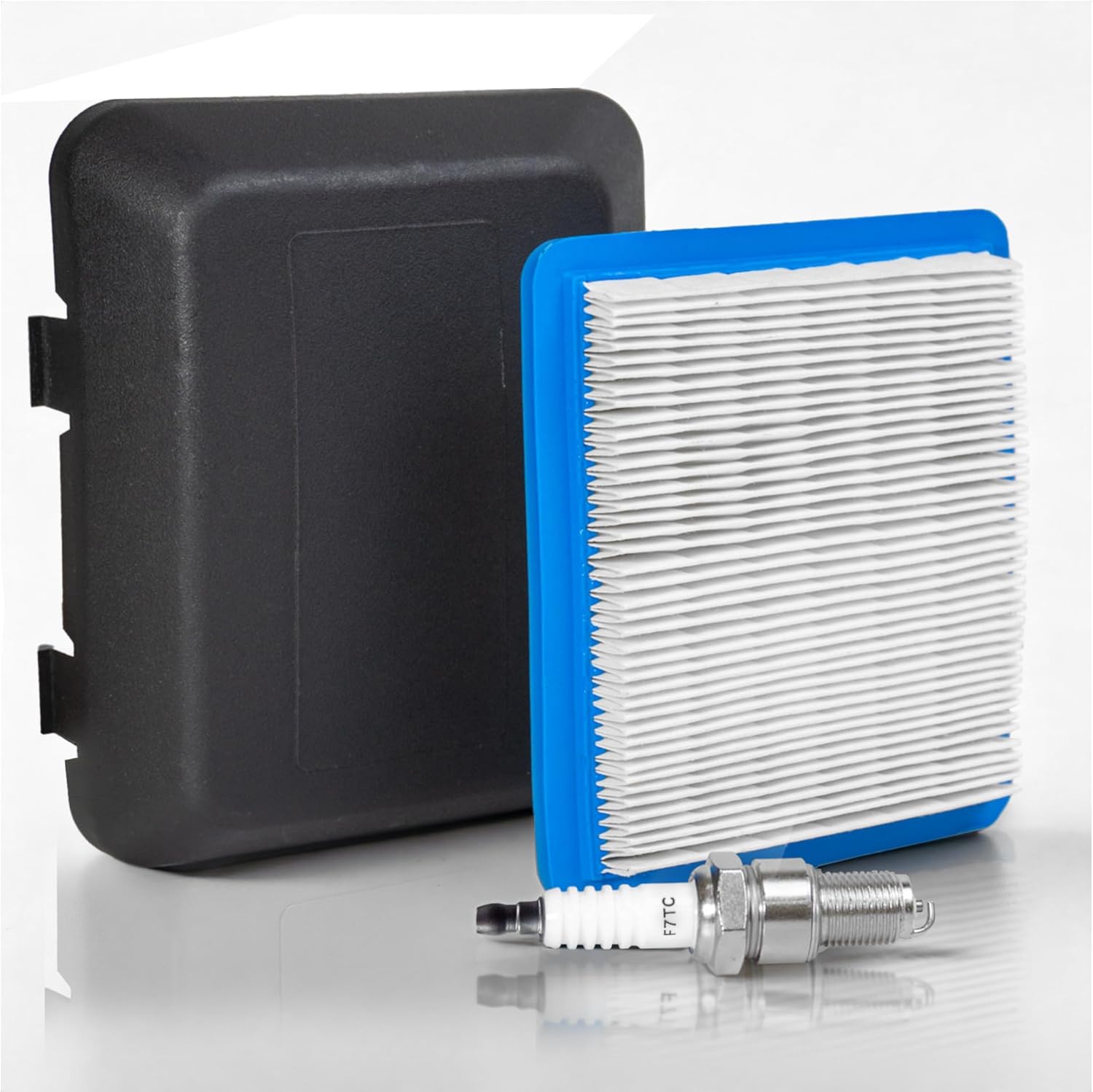
The single most important factor when buying an air filter for your Honda HRX217 is ensuring it’s compatible with your specific model year and engine type. The HRX217 series has been produced for over a decade, and while many components remain consistent, there have been subtle changes in air filter design across different production years. Most HRX217 models use a dual-element air filter system—a combination of a foam pre-filter and a pleated paper main filter—but exact dimensions and mounting configurations can vary slightly.
Always cross-reference your mower’s model number (found on the serial plate near the rear wheel) and engine code (typically GCV190 or GCV200) before purchasing. Honda’s official parts lookup tool or your owner’s manual will list the correct OEM part number, which is usually 17211-7H1-003 for the paper element and 17218-7H1-003 for the foam pre-filter. Third-party filters should explicitly state compatibility with these numbers. Installing an incompatible filter—even if it physically fits—can lead to poor sealing, unfiltered air entering the engine, or restricted airflow that causes stalling.
2. OEM vs. Aftermarket: Understanding the Difference
You’ll quickly encounter two main categories when shopping: OEM (Original Equipment Manufacturer) filters made by Honda themselves, and aftermarket filters produced by third-party companies like Briggs & Stratton, Stens, or OEM Industries. OEM filters are guaranteed to meet Honda’s exact specifications for fit, filtration efficiency, and durability. They’re engineered specifically for your engine’s airflow requirements and undergo rigorous testing to ensure reliability.
Aftermarket filters, on the other hand, vary widely in quality. Some are excellent—matching or even exceeding OEM performance—while others are poorly constructed, using inferior materials that degrade quickly or don’t seal properly. The key is to look for reputable aftermarket brands that explicitly state compliance with OEM standards and provide detailed compatibility information. Avoid no-name brands sold in unmarked packaging, as they often use cheap paper or foam that collapses under suction or allows dirt bypass.
While OEM filters typically cost 20–40% more, many users find the peace of mind and guaranteed performance worth the premium. However, high-quality aftermarket options can offer comparable performance at a lower price point, especially if you’re replacing both the paper and foam elements together.
3. Filtration Efficiency and Material Quality
Not all air filters are created equal when it comes to capturing contaminants. The primary job of your air filter is to prevent dust, grass particles, pollen, and other debris from entering the engine’s combustion chamber—where they can cause abrasion, carbon buildup, and premature wear. A high-quality filter should trap particles as small as 10–20 microns without significantly restricting airflow.
Paper elements should be made from multi-layered, resin-treated cellulose or synthetic media that resists tearing and maintains structural integrity when wet. Look for filters with deep pleats—they increase surface area for better dirt-holding capacity and longer service life. Foam pre-filters should be made from open-cell polyurethane that’s oil-coated (for enhanced particle capture) and resistant to degradation from sunlight and moisture.
Avoid filters with flimsy frames or weak pleat structures. Under engine suction, poorly constructed paper filters can collapse, creating gaps that allow unfiltered air to bypass the media. Similarly, low-density foam can compress over time, reducing its effectiveness. Always inspect product images and descriptions for mentions of “high-efficiency,” “multi-stage filtration,” or “OEM-grade materials.”
4. Ease of Installation and Maintenance
Even the best air filter is useless if it’s difficult to install or maintain. The Honda HRX217 uses a tool-free air filter cover secured by a wing nut, making replacement straightforward—but only if the new filter fits snugly without forcing. A properly sized filter should slide into the housing smoothly and seat fully against the gasket without gaps.
Consider whether you prefer disposable or reusable options. Most HRX217 owners use disposable paper/foam combinations that are replaced every 25–50 hours of operation (or annually). However, some aftermarket kits offer washable foam pre-filters that can be cleaned and reused multiple times, reducing long-term costs. If you go this route, ensure the foam is compatible with cleaning solvents and won’t degrade when rinsed.
Also check if the filter comes with installation instructions or a diagram. While the process is simple, visual guidance can help first-time users avoid mistakes like reversing the foam and paper elements or overtightening the cover (which can crack the housing).
5. Brand Reputation and Customer Support
When investing in a critical engine component, trust matters. Stick with brands known for quality small engine parts. Honda OEM parts come with the manufacturer’s reputation for precision and reliability. Among aftermarket brands, Stens, Rotary, and OEM Industries are well-regarded for their attention to detail and consistent quality control.
Read customer reviews carefully—not just star ratings, but detailed comments about fit, performance, and longevity. Look for patterns: if multiple users report the same issue (e.g., “filter didn’t seal properly” or “foam tore during installation”), it’s likely a design flaw. Avoid filters with overwhelmingly negative feedback or those sold by sellers with poor response rates to questions.
Additionally, consider the seller’s return policy and warranty. Reputable retailers (like Honda dealers, Amazon, or lawn equipment specialists) typically offer 30-day returns and honor manufacturer warranties. This gives you a safety net if the filter arrives damaged or doesn’t perform as expected.
6. Price vs. Value: Avoiding the Cheapest Option Trap
It’s tempting to grab the $4.99 filter from the local hardware store, but remember: your air filter protects a $500+ engine. A substandard filter may save you a few dollars upfront but could lead to costly repairs down the line—such as carburetor cleaning, piston ring replacement, or even engine rebuilds due to abrasive wear.
Instead of focusing solely on price, evaluate the total value: How long will it last? Does it come with both foam and paper elements? Is it backed by a warranty? A $12 high-quality aftermarket filter that lasts a full mowing season may offer better value than a $6 filter that clogs in two months.
Set a reasonable budget based on your usage. Casual users (1–2 cuts per week) can opt for mid-range options ($8–$15), while frequent users or those mowing in dusty conditions may benefit from premium filters ($15–$25) with enhanced durability and filtration.
7. Environmental Conditions and Usage Frequency
Your local environment plays a big role in determining the right air filter. If you mow in dry, dusty areas—or during peak pollen season—your filter will clog faster than someone mowing in a clean, grassy suburb. In such cases, consider upgrading to a high-capacity or high-efficiency filter designed for heavy debris loads.
Similarly, if you use your HRX217 weekly during growing season, you’ll need a more durable filter than someone who mows monthly. Some aftermarket filters are marketed as “extended-life” or “heavy-duty,” featuring reinforced frames and thicker media. These can be worth the investment if you’re replacing filters frequently.
Conversely, if you only mow a small lawn a few times a year, a standard OEM-equivalent filter will suffice. Overpaying for premium features you won’t use is unnecessary.
8. Warranty and Return Policy
Always check the warranty terms before purchasing. OEM Honda filters typically come with a 1-year limited warranty against defects. Reputable aftermarket brands often offer 6–12 months of coverage. This protects you if the filter fails prematurely due to manufacturing flaws.
Equally important is the retailer’s return policy. Even if a filter is technically compatible, it might not fit your specific unit due to minor variations. Choose sellers with hassle-free returns (like Amazon, Home Depot, or authorized Honda dealers) so you can exchange it if needed. Avoid marketplace sellers with strict “no returns” policies unless they have overwhelmingly positive feedback.
Different Types of Buying Guide
Common Buying Mistakes to Avoid
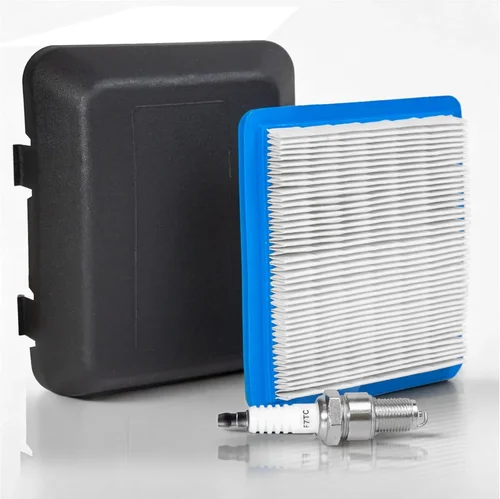
❌ Mistake: Assuming All Filters labeled “Fits HRX217” Are Equal
Why it’s bad: Many online listings use broad compatibility claims to boost visibility, but slight dimensional differences can cause poor sealing or airflow issues. A filter that’s even 2mm too small can allow dirt ingress.
What to do instead: Always verify the exact part numbers (17211-7H1-003 and 17218-7H1-003) and cross-check dimensions in the product description. When in doubt, contact the seller with your model and serial number.
❌ Mistake: Buying Only the Paper Element and Reusing the Old Foam
Why it’s bad: The foam pre-filter captures larger debris and protects the paper element. Reusing a degraded or clogged foam reduces overall filtration efficiency and shortens the paper filter’s life.
What to do instead: Replace both elements together—even if the foam looks clean. It’s a low-cost addition that ensures optimal performance.
❌ Mistake: Choosing the Cheapest Option Without Checking Reviews
Why it’s bad: Ultra-low-cost filters often use subpar materials that tear, collapse, or don’t seal. You may end up replacing it multiple times per season.
What to do instead: Spend a few extra dollars on a reputable brand with verified buyer reviews. Look for comments about “fits perfectly” or “lasted all season.”
❌ Mistake: Ignoring Local Climate and Mowing Conditions
Why it’s bad: A standard filter may clog quickly in dusty or high-pollen environments, leading to recurring stalling issues.
What to do instead: If you mow in harsh conditions, invest in a high-capacity or washable filter designed for extended use.
❌ Mistake: Not Checking Return Policies Before Buying Online
Why it’s bad: Some filters look right in photos but don’t fit your specific unit due to minor manufacturing variances.
What to do instead: Buy from retailers with flexible return windows (e.g., Amazon, Home Depot) so you can swap it out if needed.
❌ Mistake: Overlooking Warranty Coverage
Why it’s bad: A defective filter can fail within weeks, leaving you with no recourse if it’s not covered.
What to do instead: Choose products with at least a 6-month warranty and keep your receipt for claims.
❌ Mistake: Installing the Filter Upside Down or Misaligned
Why it’s bad: The foam and paper elements have specific orientations. Installing them incorrectly can restrict airflow or allow bypass.
What to do instead: Take a photo of the old filter before removal, or follow the diagram in your owner’s manual.
Budget Guidelines: How Much Should You Spend?
Entry-Level ($4–$9): These are typically generic, single-element filters sold in bulk. Best for emergency replacements or very infrequent use. Expect shorter lifespan and potential fit issues. Only consider if you’re on a tight budget and plan to upgrade soon.
Mid-Range ($10–$18): This is the sweet spot for most homeowners. You’ll find high-quality aftermarket filters from trusted brands that match OEM performance at a lower price. Many include both foam and paper elements, offering excellent value and reliability for weekly mowing.
Premium ($18–$25): Ideal for frequent users, professionals, or those in dusty environments. Includes OEM Honda filters and top-tier aftermarket options with enhanced durability, better materials, and longer service intervals. Worth the investment if you rely on your mower heavily.
Luxury ($25+): Reserved for performance-oriented users or those seeking reusable/washable systems. These often feature synthetic media, high-flow designs, or eco-friendly materials. While not necessary for most, they can reduce long-term costs and environmental impact.
Expert Tips for Getting the Best Deal
- Buy during off-season: Late fall and winter are prime times for discounts on lawn equipment parts. Retailers clear inventory before spring, so you can save 15–30% on air filters.
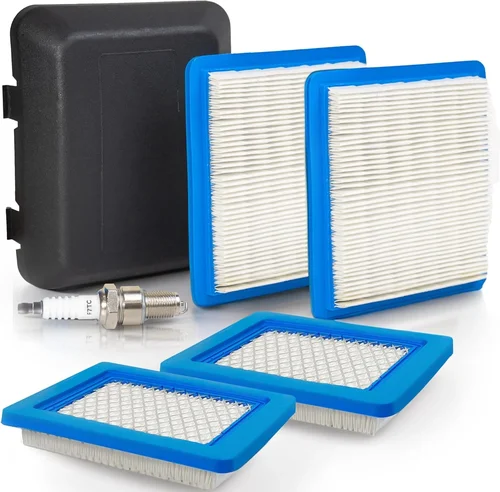
- Bundle with other maintenance items: Many sellers offer discounts when you buy air filters with oil, spark plugs, or blades. This reduces per-item cost and ensures you’re fully stocked.
- Check authorized Honda dealers online: Even if you don’t live near a dealer, their websites often ship nationwide and price-match competitors. Plus, you get genuine OEM parts with full warranty.
- Use cashback and coupon sites: Rakuten, Honey, or retailer-specific coupons can shave 5–10% off your total. Stack these with seasonal sales for maximum savings.
- Inspect before installing: Open the package and visually confirm the filter matches your old one in size, shape, and pleat count. Don’t wait until you’re mid-repair to discover a defect.
- Keep a spare: Air filters are inexpensive relative to engine repairs. Storing a backup ensures you’re never stranded during mowing season.
- Clean your air filter housing: Before installing a new filter, wipe out the housing with a dry cloth to remove accumulated debris. This prevents contamination of the new filter.
- Document your maintenance: Note the installation date and hours of use. This helps you track replacement intervals and spot patterns if issues recur.

Frequently Asked Questions
Q: Can I clean and reuse the paper air filter in my HRX217?
A: No. Paper air filters are designed to be disposable. Attempting to clean them with compressed air or tapping can damage the delicate media, reducing filtration efficiency. Always replace the paper element when dirty.
Q: How often should I replace the air filter on my Honda HRX217?
A: Honda recommends inspecting the air filter every 25 hours of operation and replacing it annually or sooner if dirty. In dusty conditions, check it every 10–15 hours.
Q: Will a high-flow air filter void my Honda warranty?
A: Using non-OEM parts doesn’t automatically void your warranty, but if damage is traced to a defective aftermarket filter, Honda may deny coverage. Stick with OEM or reputable equivalents to avoid disputes.
Q: My mower still dies after replacing the air filter. What else could it be?
A: A clogged air filter is just one possibility. Other common causes include old fuel, a dirty carburetor, a faulty spark plug, or a blocked fuel cap vent. Perform a full diagnostic if the problem persists.
Q: Are washable foam filters worth it for the HRX217?
A: Yes, if you mow frequently. Washable foams can be cleaned with mild soap and water, then re-oiled. They reduce waste and long-term costs, though initial investment is higher.
Q: Can I use a filter from a different Honda mower model?
A: Generally no. Even small differences in size or shape can compromise sealing. Always use the correct part number for your HRX217.
Q: Where is the air filter located on the HRX217?
A: It’s under the black plastic cover on the side of the engine, secured by a wing nut. Lift the cover to access the foam and paper elements.
Q: Does the air filter affect fuel efficiency?
A: Yes. A clogged filter restricts airflow, causing a rich fuel mixture that wastes gas and reduces power. A clean filter ensures optimal air-fuel ratio and efficiency.
Q: Can I buy just the foam pre-filter?
A: Yes, but it’s usually more cost-effective to replace both elements together. Most kits include both for under $20.
Q: Are there eco-friendly air filter options?
A: Some aftermarket brands offer biodegradable or recyclable packaging, and washable filters reduce waste. Look for products labeled “sustainable” or “reusable.”
Our Final Recommendations
Best for Budget-Conscious Buyers: Stens 135-313 Air Filter Combo – At around $12, this aftermarket kit includes both foam and paper elements, fits perfectly, and matches OEM quality. Ideal for casual users who want reliability without the Honda price tag.
Best Overall Value: OEM Honda 17211-7H1-003 + 17218-7H1-003 Combo – While slightly more expensive ($22–$28), you get guaranteed compatibility, superior materials, and full warranty support. Perfect for anyone prioritizing peace of mind.
Best Premium Option: OEM Industries High-Efficiency Air Filter Kit – Features reinforced pleats and oil-coated foam for extended life in tough conditions. Priced around $20, it’s a great middle ground between OEM and performance.
Best for Beginners: Rotary 30-203 Air Filter – Comes with clear installation instructions and a detailed compatibility chart. Easy to identify and install, making it ideal for first-time DIYers.
Best for Advanced Users: K&N Small Engine Air Filter (if compatible variant exists) – While not officially listed for HRX217, some K&N models offer washable, high-flow performance for enthusiasts seeking marginal gains. Verify fitment carefully.
Conclusion: Making the Right Choice
Choosing the right air filter for your Honda HRX217 isn’t just about fixing a stalling engine—it’s about protecting your investment, ensuring reliable performance, and extending the life of your mower. By focusing on compatibility, material quality, and brand reputation, you can avoid common pitfalls and select a filter that delivers lasting value. Remember, the cheapest option isn’t always the best, and skipping maintenance can lead to far costlier repairs down the road.
Take the time to assess your usage patterns, environmental conditions, and budget. Whether you go with a trusted OEM part or a high-quality aftermarket alternative, prioritize fit and filtration efficiency above all else. And don’t forget to keep a spare on hand—because nothing ruins a perfect mowing day like a clogged filter.
With the insights from this guide, you’re now equipped to make a confident, informed decision. Your Honda HRX217 deserves the best care, and starting with the right air filter is a smart first step toward years of smooth, trouble-free operation. Happy mowing!