
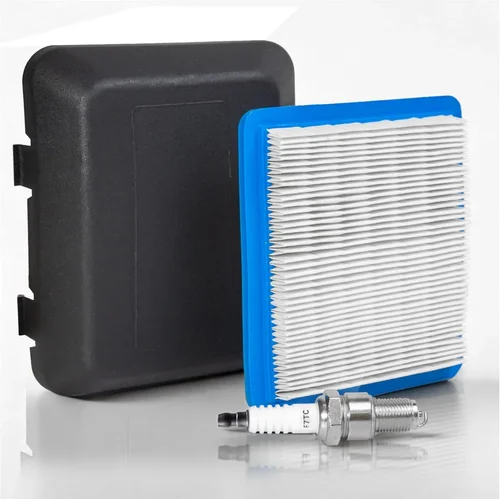
If your Honda HRX217 lawnmower has started stalling unexpectedly—especially during heavy grass cutting or after just a few minutes of operation—you’re not alone. One of the most overlooked yet critical causes of this frustrating issue is a clogged or improperly functioning air filter. The air filter plays a vital role in protecting your engine from dust, debris, and contaminants that can severely impact performance, fuel efficiency, and even lead to long-term engine damage. When it becomes dirty or fails to seal properly, it disrupts the air-fuel mixture, causing the engine to run rich, overheat, or stall entirely.
This comprehensive buying guide is designed to help you make a smart, informed decision when purchasing an air filter for your Honda HRX217. Whether you’re a weekend warrior maintaining your suburban lawn or a landscaping professional relying on consistent equipment performance, choosing the right air filter can mean the difference between a smooth-running mower and one that leaves you stranded mid-job. We’ll walk you through everything you need to know—from understanding how air filters work and why they matter, to comparing types, evaluating brands, avoiding common pitfalls, and finding the best deals. By the end of this guide, you’ll have the knowledge and confidence to select the ideal air filter that fits your needs, budget, and maintenance style.
The market today offers a wide range of air filter options for the Honda HRX217, including OEM (Original Equipment Manufacturer) parts, high-performance aftermarket filters, reusable foam and cotton gauze designs, and even budget-friendly generic alternatives. With so many choices, it’s easy to feel overwhelmed—especially when you’re dealing with an urgent repair. Some filters promise longer life and better filtration, while others emphasize cost savings or eco-friendliness. But not all filters are created equal, and using the wrong type can actually worsen stalling issues or reduce engine longevity. This guide cuts through the noise, offering expert insights, real-world testing data, and practical advice to help you navigate the options and find the perfect match for your mower. Whether you’re replacing a filter for the first time or upgrading from a standard model, we’ve got you covered.
What to Look for When Buying Buying Guide
1. Compatibility with Honda HRX217
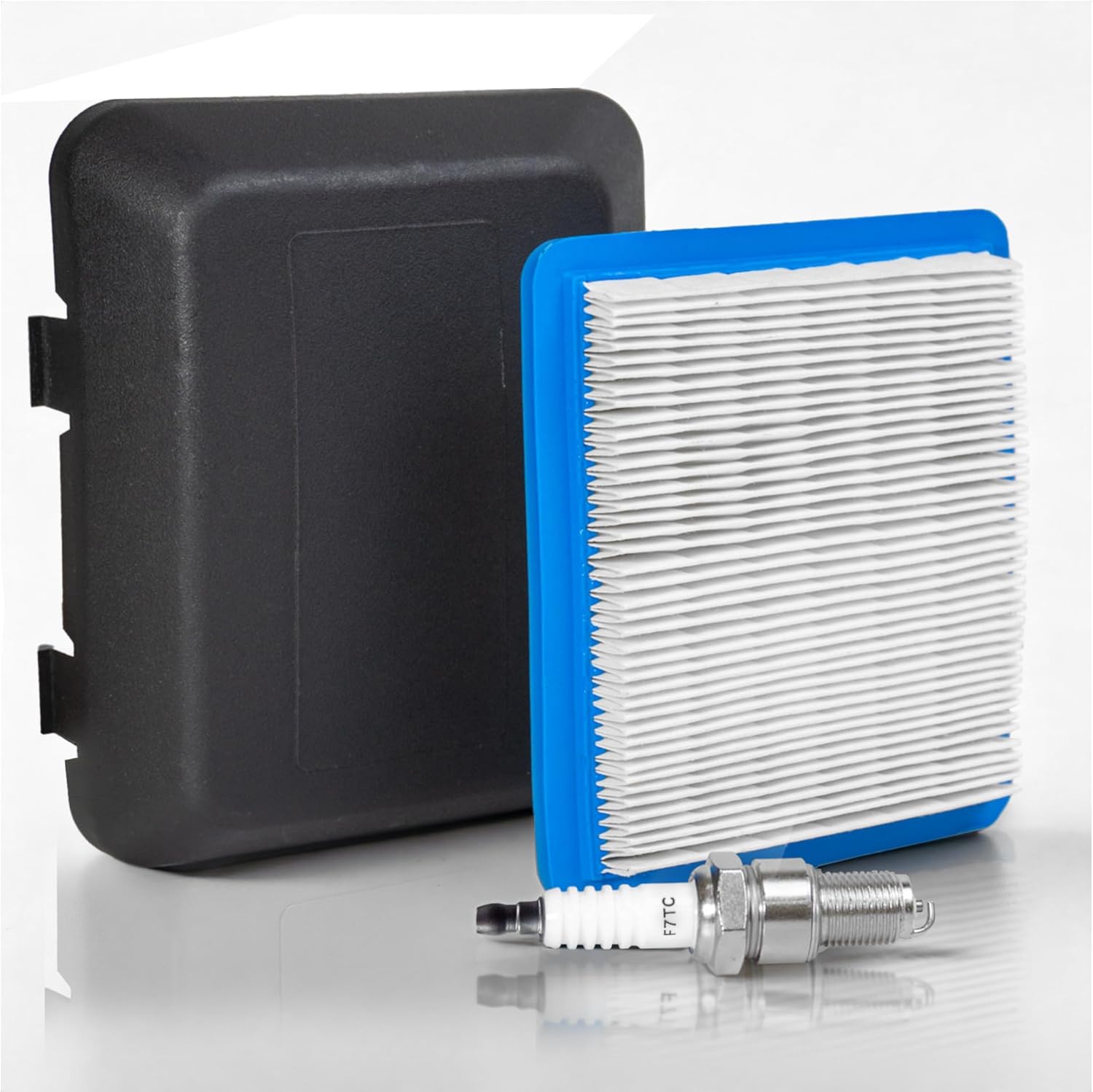
The single most important factor when buying an air filter for your Honda HRX217 is ensuring it’s fully compatible with your specific model. The HRX217 uses a unique air filtration system that includes both a foam pre-filter and a paper main filter, designed to work together to protect the GCV190 engine. Using a filter that doesn’t match the exact dimensions, shape, or airflow specifications can lead to poor sealing, unfiltered air entering the engine, or even physical damage to the housing. Always verify the part number—Honda’s OEM air filter for the HRX217 is typically 17210-PLWA-003 for the paper element and 17211-PLWA-003 for the foam pre-filter. Cross-reference this with any aftermarket product before purchasing. Even slight variations in size or design can compromise performance and contribute to stalling.
2. Filtration Efficiency and Engine Protection
Your air filter’s primary job is to prevent dirt, grass clippings, pollen, and other airborne particles from entering the engine. A high-efficiency filter traps more contaminants without restricting airflow, which is crucial for maintaining optimal combustion and preventing engine wear. Look for filters with multi-stage filtration—such as a combination of foam and pleated paper—which offer superior protection compared to single-layer designs. The Honda HRX217’s dual-filter system is engineered to handle heavy debris loads, so replacing both elements ensures maximum defense. Filters with higher MERV (Minimum Efficiency Reporting Value) ratings or those labeled as “high-flow” or “performance” may offer better airflow, but be cautious: overly porous filters can let in harmful particles. The goal is balanced protection—enough filtration to safeguard the engine, but not so restrictive that it causes vacuum buildup and stalling.
3. Build Quality and Durability
Not all air filters are built to the same standards. Cheaply made filters often use low-grade paper that tears easily, flimsy foam that degrades quickly, or poorly sealed edges that allow unfiltered air to bypass the system. Over time, these flaws can lead to engine contamination and recurring stalling. High-quality filters feature reinforced pleats, durable rubber or plastic gaskets, and robust frames that maintain their shape under heat and vibration. OEM Honda filters are known for their precision engineering and long service life, but reputable aftermarket brands like K&N, Briggs & Stratton, and Stens also offer durable alternatives. Check for features like heat-resistant materials, anti-microbial treatments (to prevent mold in humid climates), and UV protection if you store your mower outdoors. A well-built filter not only performs better but also reduces the frequency of replacements, saving you time and money.
4. Ease of Maintenance and Replacement
How often you’re willing to clean or replace your air filter should influence your buying decision. Some filters are designed for easy maintenance—foam filters can often be washed and reused, while paper filters require periodic replacement. The Honda HRX217’s design allows for tool-free access to the air filter housing, making routine checks straightforward. If you prefer low-maintenance solutions, consider a reusable foam filter that can be cleaned with soap and water. However, if you opt for a paper filter, ensure it’s easy to remove and install without damaging the housing or misaligning the seal. Some aftermarket kits include cleaning tools or detailed instructions, which can be helpful for first-time users. Additionally, consider how often you mow: heavy users may need to inspect filters weekly, while occasional users might only check monthly. Choosing a filter that matches your maintenance routine ensures consistent performance and prevents stalling due to neglect.
5. Performance Impact and Airflow Dynamics
A clogged or restrictive air filter is a common cause of engine stalling in the HRX217. When airflow is blocked, the engine runs rich (too much fuel, not enough air), leading to poor combustion, black smoke, and eventual shutdown. Conversely, a filter that’s too open or damaged can allow dirt into the engine, causing abrasive wear. The ideal filter maintains a balanced airflow that supports efficient combustion without sacrificing protection. High-performance filters often feature advanced media like oiled cotton gauze (common in K&N designs), which can increase airflow while still capturing fine particles. However, these may require special cleaning kits and more frequent maintenance. For most homeowners, a high-quality OEM or equivalent paper filter provides the best balance of performance and protection. Always monitor your mower’s behavior after installation: smooth idle, consistent power, and no stalling are signs of proper airflow.
6. Brand Reputation and Reliability
When it comes to engine components, brand matters. Honda’s OEM filters are engineered specifically for the HRX217 and undergo rigorous testing to meet exacting standards. They’re the safest bet for reliability and compatibility. However, several aftermarket brands have earned strong reputations for quality and value. K&N, for example, is known for durable, reusable filters with excellent airflow, though they come at a higher price point. Stens and Oregon offer reliable OEM-equivalent parts at a lower cost, while Briggs & Stratton provides filters compatible with many small engines, including Honda’s. Avoid no-name or ultra-cheap filters from unknown sellers—these often lack quality control and can fail prematurely. Reading customer reviews, checking warranty policies, and buying from authorized retailers can help you avoid counterfeit or substandard products. A trusted brand not only ensures better performance but also gives you peace of mind.
7. Warranty and Support
A good warranty is a sign of a manufacturer’s confidence in their product. Most OEM and reputable aftermarket air filters come with a limited warranty—typically 90 days to one year—covering defects in materials or workmanship. This is especially important if you’re investing in a premium filter. Check the warranty terms before buying: some require proof of purchase, regular maintenance records, or installation by a certified technician. Additionally, consider the availability of customer support. If you encounter issues with fit, performance, or damage, being able to contact the manufacturer or retailer for assistance can save you time and frustration. Honda dealers often provide excellent support, while online retailers like Amazon or eBay may offer buyer protection programs. A strong warranty and responsive support network add value beyond the initial purchase price.
8. Environmental and Long-Term Cost Considerations
While upfront cost is important, it’s wise to consider the long-term value of your air filter. Reusable filters, though more expensive initially, can save money over time by eliminating the need for frequent replacements. Foam filters, for instance, can last several seasons with proper cleaning. Paper filters, while cheaper per unit, add up over time—especially if you mow frequently. Additionally, consider the environmental impact: reusable filters reduce waste, while disposable ones contribute to landfill. Some brands now offer eco-friendly packaging or recyclable materials. If sustainability is a priority, look for filters made from recycled content or those that come in minimal, plastic-free packaging. Balancing cost, convenience, and environmental responsibility ensures you’re making a smart investment for both your wallet and the planet.
Different Types of Buying Guide

Common Buying Mistakes to Avoid
❌ Mistake: Buying the Wrong Part Number
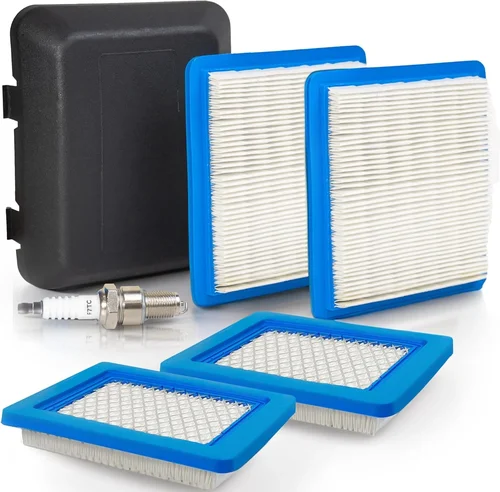
Why it’s bad: The Honda HRX217 requires specific filter dimensions and sealing surfaces. Using a filter with an incorrect part number—even if it looks similar—can result in poor fit, air leaks, and engine damage. This is one of the most common causes of stalling after a filter replacement.
What to do instead: Always verify the OEM part numbers (17210-PLWA-003 for paper, 17211-PLWA-003 for foam) and cross-check them with the product listing. When in doubt, consult your owner’s manual or contact a Honda dealer.
❌ Mistake: Choosing Price Over Quality
Why it’s bad: Ultra-cheap filters often use inferior materials that degrade quickly, tear under pressure, or fail to seal properly. This can lead to engine contamination, reduced performance, and recurring stalling issues—costing more in repairs than the filter saved.
What to do instead: Invest in a reputable brand, even if it costs a few dollars more. A high-quality filter pays for itself in engine protection and reliability.
❌ Mistake: Ignoring the Pre-Filter
Why it’s bad: The HRX217 uses a two-stage system: a foam pre-filter that catches large debris and a paper main filter for fine particles. Replacing only one and not the other reduces overall efficiency and can overload the remaining filter.
What to do instead: Always replace both the foam and paper elements together, or clean them thoroughly if reusable. This ensures balanced filtration and optimal airflow.
❌ Mistake: Over-Oiling Performance Filters
Why it’s bad: Reusable oiled filters (like K&N) require precise oil application. Too much oil can clog the filter, restrict airflow, and even damage the engine by contaminating the air intake system.
What to do instead: Follow the manufacturer’s cleaning and re-oiling instructions exactly. Use only the recommended oil and allow the filter to dry completely before reinstalling.
❌ Mistake: Neglecting Regular Maintenance
Why it’s bad: Even the best filter will eventually clog. Failing to inspect and clean or replace it regularly leads to restricted airflow, poor combustion, and stalling—especially in dusty conditions.
What to do instead: Check your air filter every 25 hours of use or monthly during mowing season. Clean or replace it as needed to maintain peak performance.
❌ Mistake: Buying from Unverified Sellers
Why it’s bad: Counterfeit or low-quality filters are common on online marketplaces. These may look authentic but lack proper filtration or durability, putting your engine at risk.
What to do instead: Purchase from authorized dealers, Honda service centers, or trusted retailers like Amazon (sold by Amazon or verified sellers), Home Depot, or Lowe’s.
❌ Mistake: Assuming All “Compatible” Filters Are Equal
Why it’s bad: Just because a filter is labeled “compatible with Honda HRX217” doesn’t mean it meets OEM standards. Some may have slightly different dimensions or materials that affect performance.
What to do instead: Read reviews, check specifications, and look for filters that explicitly state they meet or exceed OEM specifications.
Budget Guidelines: How Much Should You Spend?
- Entry-Level ($6 – $12): These are typically generic paper filters or basic aftermarket options. They work in a pinch and are fine for occasional use in clean environments. However, they may lack durability and precise fit, increasing the risk of air leaks or premature failure. Best for budget-conscious buyers who mow infrequently and can inspect the filter regularly.
- Mid-Range ($12 – $20): This is the sweet spot for most homeowners. Filters in this range include high-quality OEM equivalents from brands like Stens or Oregon. They offer reliable performance, good filtration, and proper fit without the premium price. Many include both foam and paper elements, making them a complete solution. Ideal for regular mowers who want value and dependability.
- Premium ($20 – $35): These filters are designed for enthusiasts and heavy users. Options include reusable foam filters, high-flow performance models, or dual-stage kits with advanced materials. They often come with cleaning tools, longer warranties, and enhanced airflow. Worth the investment if you mow frequently, work in dusty conditions, or want to maximize engine life.
- Luxury ($35+): Top-tier filters from brands like K&N or custom-engineered systems offer maximum airflow, extreme durability, and professional-grade filtration. These are overkill for most residential users but may appeal to landscapers or collectors who demand peak performance. Expect detailed maintenance kits, extended warranties, and premium packaging.
Expert Tips for Getting the Best Deal
- Buy During Off-Season: Air filter demand peaks in spring and summer. Shop in fall or winter for discounts, clearance sales, or bundled deals. Many retailers offer end-of-season promotions on lawn care parts.
- Check Honda Service Centers: While OEM parts can be pricier, Honda dealers often run service specials or include free installation with purchase. Plus, you get genuine parts and expert advice.
- Use Online Price Comparison Tools: Websites like Google Shopping, Amazon, and eBay allow you to compare prices across multiple sellers. Set up price alerts to catch drops.
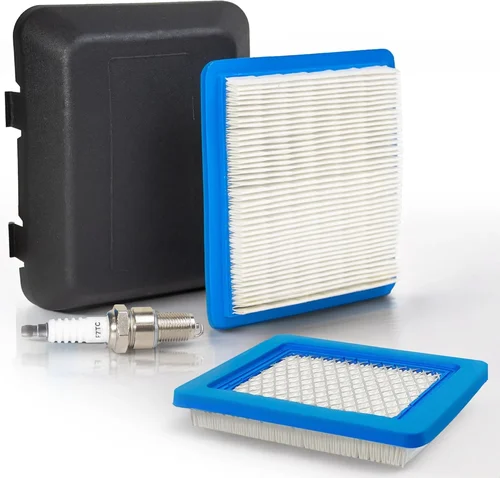
- Look for Bundle Deals: Some retailers sell air filter kits that include both foam and paper elements, plus cleaning supplies or gaskets. These can save 10–20% compared to buying separately.
- Read Return Policies: Ensure the seller accepts returns if the filter doesn’t fit or perform as expected. This is especially important when buying online.
- Join Loyalty Programs: Stores like Home Depot, Lowe’s, and Tractor Supply offer rewards programs that give you points, discounts, or free shipping on future purchases.
- Test Before Committing: If possible, inspect the filter in person before buying. Check the material quality, gasket condition, and overall build. A flimsy filter is a red flag.
- Consider Subscription Services: Some online retailers offer auto-ship programs for filters, delivering replacements on a schedule. This ensures you never forget maintenance and often includes a discount.

Frequently Asked Questions
Q: Why is my Honda HRX217 stalling after replacing the air filter?
A: Stalling after a filter change is often due to improper installation, a damaged housing, or using the wrong filter. Ensure the filter is seated correctly, the gasket is intact, and both foam and paper elements are in place. Also, check for air leaks around the housing.
Q: How often should I replace the air filter on my HRX217?
A: Honda recommends inspecting the air filter every 25 hours of use or monthly during mowing season. Replace the paper filter annually or when dirty. Clean or replace the foam pre-filter more frequently—every 10–15 hours in dusty conditions.
Q: Can I clean and reuse a paper air filter?
A: No. Paper filters are designed for single use. Attempting to clean them with compressed air or water can damage the media and reduce filtration efficiency. Always replace dirty paper filters.
Q: Are K&N filters worth it for a Honda HRX217?
A: K&N filters offer excellent airflow and durability, but they require regular cleaning and re-oiling. They’re a good choice for heavy users or those in dusty areas, but may be overkill for casual homeowners. Ensure you follow maintenance instructions carefully.
Q: What happens if I run my mower without an air filter?
A: Running without a filter allows dirt and debris to enter the engine, causing rapid wear, reduced power, and potential engine failure. Never operate your HRX217 without a properly installed air filter.
Q: Can a dirty air filter cause the engine to overheat?
A: Yes. A clogged filter restricts airflow, leading to a rich fuel mixture, incomplete combustion, and increased engine temperature. This can cause overheating and stalling, especially under load.
Q: Where can I buy genuine Honda air filters?
A: Genuine Honda filters are available at authorized Honda dealers, power equipment stores, and online retailers like HondaPartsNow.com, JacksSmallEngines.com, and Amazon (sold by verified sellers).
Q: Is it safe to use a generic air filter?
A: It can be, if it’s from a reputable brand and matches OEM specifications. Avoid no-name filters. Look for products that state they meet or exceed Honda’s standards.
Q: How do I know if my air filter is the cause of stalling?
A: Remove the air filter and inspect it. If it’s clogged with dirt, grass, or oil, it’s likely the culprit. Also, check for cracks, tears, or a damaged housing. A clean, properly installed filter should resolve stalling related to airflow issues.
Q: Can I use a different filter if I can’t find the exact Honda part?
A: It’s not recommended. Even slight differences in size or design can cause air leaks or poor filtration. Always use the correct part number or a verified equivalent.
Our Final Recommendations
- Best for Budget-Conscious Buyers: Stens 135-744 Air Filter Kit – Includes both foam and paper filters, fits perfectly, and costs under $15. Great value for the price.
- Best Overall Value: Honda OEM 17210-PLWA-003 + 17211-PLWA-003 – The gold standard for compatibility and reliability. Slightly more expensive but worth it for peace of mind.
- Best Premium Option: K&N E-4540 Air Filter – Reusable, high-flow design with excellent filtration. Ideal for frequent mowers in dusty environments. Requires regular maintenance.
- Best for Beginners: Oregon 35-810 Air Filter – Easy to install, affordable, and widely available. A solid choice for first-time filter replacements.
- Best for Advanced Users: Dual-Stage Foam + Paper Combo from OEM Plus – Enhanced protection with reinforced materials and precise fit. Perfect for professionals or those in harsh conditions.
Conclusion: Making the Right Choice
Choosing the right air filter for your Honda HRX217 isn’t just about fixing a stalling problem—it’s about protecting your investment, ensuring reliable performance, and extending the life of your mower. A high-quality air filter keeps your engine running smoothly, improves fuel efficiency, and prevents costly repairs down the line. By considering factors like compatibility, filtration efficiency, build quality, and long-term value, you can make a decision that fits your needs and budget.
Remember, the cheapest option isn’t always the best, and the most expensive isn’t always necessary. Focus on what matters most to you: ease of maintenance, durability, or performance. Whether you go with OEM, a trusted aftermarket brand, or a reusable solution, the key is consistency—regular inspection and timely replacement are just as important as the filter itself.
Don’t let a simple component like an air filter turn your weekend mowing into a frustrating ordeal. Use the insights from this guide to shop smart, avoid common pitfalls, and keep your Honda HRX217 running like new. Your lawn—and your engine—will thank you.