
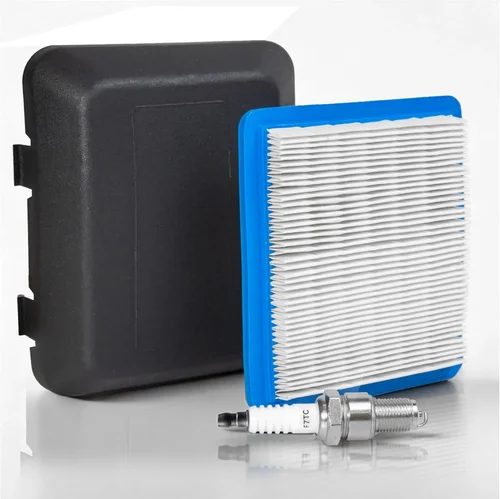
Keeping your Honda HRX217 running smoothly isn’t just about regular oil changes or blade sharpening—it’s also about maintaining the engine’s breathing system. One of the most overlooked yet critical components in preventing overheating and ensuring peak performance is the air filter. A clogged or low-quality air filter restricts airflow to the engine, causing it to work harder, run hotter, and potentially overheat—especially during long mowing sessions on hot summer days. Whether you’re a weekend warrior tackling your backyard or a professional landscaper relying on your HRX217 day in and day out, choosing the right air filter can make all the difference between a reliable cut and an expensive repair.
In this comprehensive buying guide, we’ll walk you through everything you need to know to select the best air filter for your Honda HRX217. You’ll learn how to identify high-quality filters that fit perfectly, deliver optimal airflow, and protect your engine from dust, debris, and overheating. We’ll break down key factors like material type, compatibility, brand reputation, and price—so you can make an informed decision without guesswork. Plus, we’ll compare different filter types, highlight common mistakes to avoid, and share expert tips to help you get the best value for your money. By the end of this guide, you’ll have the confidence to choose a filter that not only fits your mower but also extends its lifespan and keeps it running cool under pressure.
The market for replacement air filters is flooded with options—from OEM (Original Equipment Manufacturer) parts to aftermarket alternatives, reusable foam filters, and even universal fits that claim compatibility with dozens of models. While this variety offers flexibility, it also creates confusion. Some filters are built to last years; others degrade after just a few uses. Some are designed specifically for the HRX217’s GCV190 engine; others are generic substitutes that may compromise performance. Our goal is to cut through the noise and give you a clear, actionable roadmap to finding the right air filter—one that balances cost, quality, and reliability. Whether you’re replacing a worn-out filter or upgrading for better performance, this guide will ensure you’re equipped with the knowledge to make the smartest choice for your Honda HRX217.
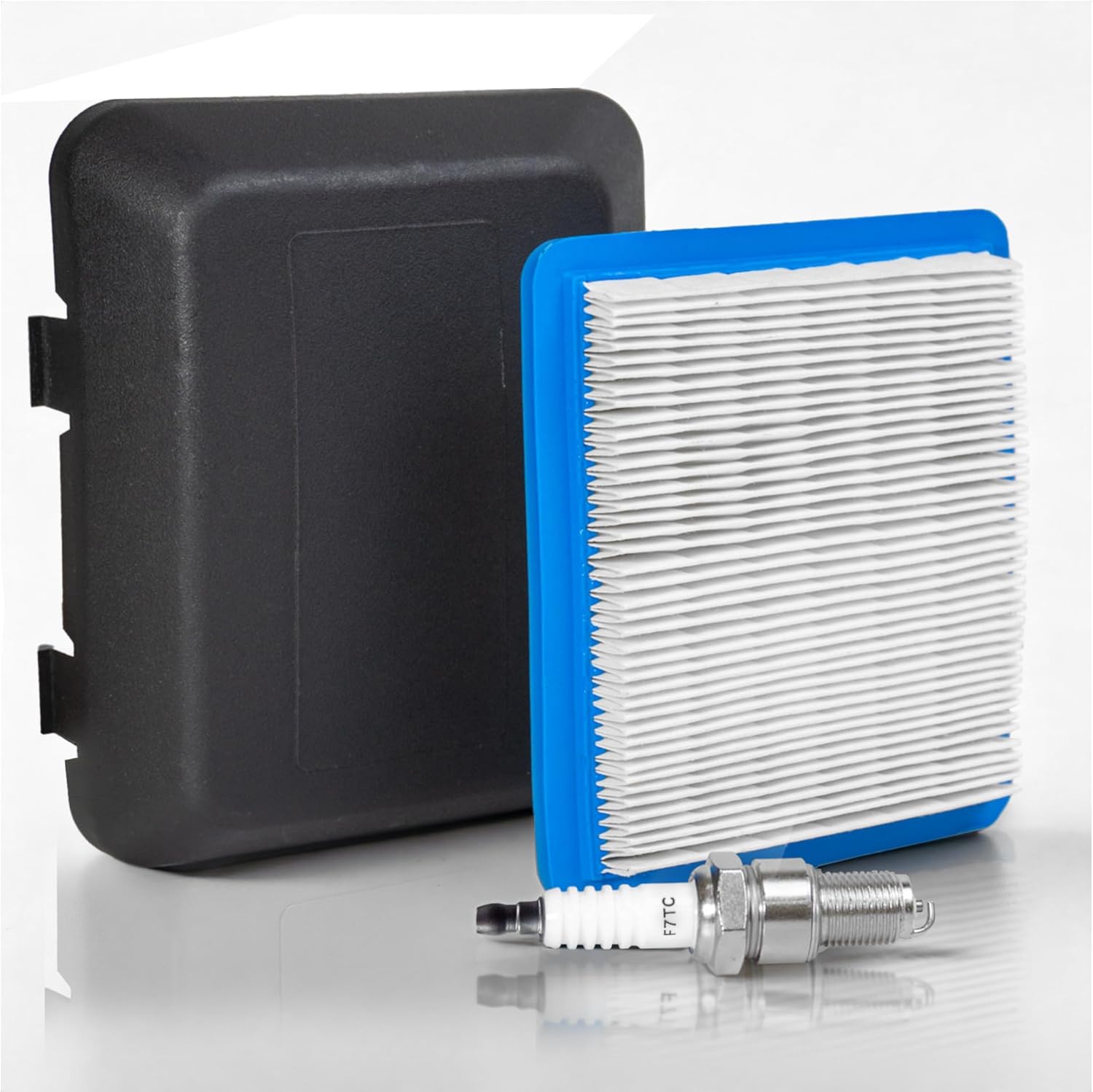
What to Look for When Buying Buying Guide
1. Compatibility with Honda HRX217 and GCV190 Engine
The very first thing to verify when shopping for an air filter is whether it’s truly compatible with your Honda HRX217 lawn mower. This model is powered by the Honda GCV190 engine, which has specific airflow requirements and a unique air intake design. Using a filter that isn’t engineered for this engine can lead to poor fitment, air leaks, or even damage to internal components. Always check the product description or packaging for explicit compatibility with the HRX217 or GCV190. OEM filters will list this information clearly, but many aftermarket brands also provide compatibility charts. Don’t rely solely on “fits Honda mowers” claims—be specific. A mismatched filter might seem like a bargain, but it could cost you far more in engine repairs down the line.
2. Filter Material and Construction
The material your air filter is made from directly impacts its performance, durability, and ability to prevent overheating. Most Honda HRX217 air filters are either paper (pleated cellulose), foam, or a hybrid of both. Paper filters offer excellent filtration efficiency, capturing fine dust and debris while maintaining good airflow when clean. However, they are disposable and must be replaced regularly. Foam filters, often used in high-dust environments, are reusable and can be cleaned and oiled, but they may not filter as finely as paper. Hybrid filters combine a paper element with a foam pre-filter, offering the best of both worlds—enhanced protection and extended service life. Look for filters with sturdy frames, tight pleating, and no gaps or loose edges. A well-constructed filter ensures consistent airflow and prevents unfiltered air from bypassing the system, which is critical for engine cooling and longevity.
3. Filtration Efficiency and Airflow Balance
A great air filter strikes the perfect balance between filtration efficiency and airflow. Too much filtration can restrict airflow, causing the engine to run rich (too much fuel, not enough air), which increases heat and reduces power. Too little filtration allows dirt and debris to enter the engine, leading to accelerated wear and potential overheating. For the HRX217, you want a filter that meets or exceeds OEM specifications for both particle capture and airflow rate. High-efficiency filters with multi-layer designs or advanced media can trap more contaminants without sacrificing performance. Look for filters that mention “high-flow” or “low-restriction” design, especially if you mow in dusty conditions or use your mower frequently. Remember: a clean engine runs cooler, and a well-filtered engine stays cleaner longer.
4. Ease of Maintenance and Replacement
Even the best air filter won’t do its job if it’s too difficult to maintain or replace. The Honda HRX217 is designed for user-friendly maintenance, with a tool-free air filter cover that opens easily for access. When choosing a replacement, consider how simple it is to install and whether it requires special tools or modifications. Disposable paper filters should snap in securely without forcing, while reusable foam filters should come with clear cleaning instructions and compatible filter oil. Some aftermarket filters include maintenance kits or cleaning tools, which can be a nice bonus. Also, check how often the filter needs to be serviced—frequent replacements can add up in cost and time. A filter that’s easy to access and replace encourages regular maintenance, which is key to preventing overheating and keeping your mower in top shape.
5. Brand Reputation and Reliability
Not all air filters are created equal, and brand reputation matters when it comes to engine protection. Honda OEM filters are the gold standard—they’re designed specifically for your mower, tested for performance, and backed by the manufacturer’s warranty. However, several reputable aftermarket brands also produce high-quality filters that meet or exceed OEM standards. Look for brands with a history of producing automotive or small engine parts, such as K&N, Briggs & Stratton, or Stens. Read customer reviews and check for certifications or testing data. Avoid no-name or ultra-cheap filters from unknown sellers, as they may use inferior materials or inconsistent manufacturing processes. A trusted brand gives you peace of mind that your engine is protected, especially during demanding mowing tasks that generate heat and stress.
6. Price vs. Value Over Time
It’s tempting to go for the cheapest air filter available, but this short-term savings can lead to long-term costs. A $5 filter might seem like a deal, but if it clogs quickly, restricts airflow, or fails prematurely, you could face reduced fuel efficiency, engine overheating, or even costly repairs. On the other hand, a $20 filter that lasts twice as long and performs better offers greater value. Consider the total cost of ownership—how often you’ll need to replace it, whether it’s reusable, and how it impacts engine performance. For most HRX217 owners, a mid-range filter from a reputable brand offers the best balance of affordability and reliability. Don’t forget to factor in shipping costs, especially if buying online, and look for bulk deals or multi-packs if you plan to stock up.
7. Warranty and Customer Support
A solid warranty is a strong indicator of a manufacturer’s confidence in their product. While air filters are consumable items and typically not covered under long-term warranties, some brands offer satisfaction guarantees or defect protection. Honda OEM parts often come with a limited warranty, and reputable aftermarket brands may offer 30- to 90-day guarantees. Check the return policy before purchasing, especially when buying online. If a filter doesn’t fit or perform as expected, you’ll want the option to return or exchange it hassle-free. Additionally, consider the availability of customer support—can you easily contact the seller or manufacturer with questions? Good support can make a big difference if you run into installation issues or need advice on maintenance.
8. Environmental Conditions and Usage Frequency
Your mowing environment plays a big role in determining the right air filter. If you mow in dry, dusty areas—like gravel driveways, construction zones, or arid climates—you’ll need a filter with higher dust-holding capacity and possibly a pre-filter to extend service life. Frequent mowers (several times a week) will also benefit from more durable or reusable filters. Conversely, if you mow occasionally in clean, grassy areas, a standard paper filter may suffice. Some filters are specifically marketed for “high-debris” or “heavy-duty” use—these are worth considering if your HRX217 sees regular action. Matching the filter to your usage pattern ensures optimal performance and prevents premature clogging, which can lead to overheating and reduced engine efficiency.
Different Types of Buying Guide

Common Buying Mistakes to Avoid
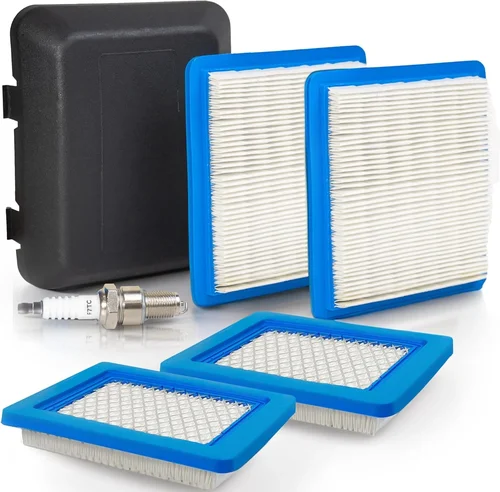
❌ Mistake: Buying a Universal Fit Filter Without Checking Compatibility
Why it’s bad: Universal filters often claim to fit multiple models, but they may not seal properly or match the exact dimensions of the HRX217’s air intake. This can lead to air leaks, allowing unfiltered air to enter the engine, which increases wear and risk of overheating.
What to do instead: Always verify that the filter is explicitly listed as compatible with the Honda HRX217 or GCV190 engine. When in doubt, cross-reference the part number with Honda’s official documentation or consult a dealer.
❌ Mistake: Choosing the Cheapest Option Without Considering Quality
Why it’s bad: Ultra-low-cost filters often use thin, poorly pleated paper or weak frames that can collapse under suction. This reduces filtration efficiency and may allow debris to bypass the filter, damaging the engine over time.
What to do instead: Invest in a filter from a reputable brand, even if it costs a few dollars more. Look for filters with reinforced edges, consistent pleating, and positive customer reviews.
❌ Mistake: Ignoring Maintenance Intervals
Why it’s bad: A clogged air filter restricts airflow, causing the engine to run hotter and less efficiently. Many users forget to check or replace their filter regularly, leading to preventable overheating and performance issues.
What to do instead: Check your air filter every 25 hours of use or at the start of each mowing season. Clean or replace it as needed, and keep a spare on hand for quick swaps.
❌ Mistake: Using the Wrong Type of Filter for Your Environment
Why it’s bad: Using a standard paper filter in a dusty environment will clog it quickly, reducing airflow and increasing engine temperature. Conversely, a high-performance foam filter may be overkill for light, occasional use.
What to do instead: Match the filter type to your mowing conditions. Choose a hybrid or foam filter for dusty areas, and a standard paper filter for clean, grassy lawns.
❌ Mistake: Not Cleaning Reusable Filters Properly
Why it’s bad: Reusable foam filters must be cleaned and re-oiled correctly to maintain performance. Skipping the oil step or using the wrong type of oil can reduce filtration and allow dirt to pass through.
What to do instead: Follow the manufacturer’s cleaning instructions carefully. Use only filter-specific oil, and allow the filter to dry completely before reinstalling.
❌ Mistake: Buying from Unverified Online Sellers
Why it’s bad: Some online marketplaces sell counterfeit or low-quality filters that look like OEM parts but are made from inferior materials. These can fail prematurely and offer no warranty support.
What to do instead: Purchase from authorized dealers, Honda service centers, or well-known retailers like Amazon (sold by verified sellers), Home Depot, or Lowe’s. Check seller ratings and return policies.
❌ Mistake: Overlooking the Air Filter Housing and Seal
Why it’s bad: Even the best filter won’t work if the housing is cracked or the seal is worn. Air can leak around the edges, bypassing the filter and entering the engine unfiltered.
What to do instead: Inspect the air filter housing and gasket during each replacement. Replace any damaged components to ensure a tight seal and proper airflow.
Budget Guidelines: How Much Should You Spend?
When it comes to air filters for the Honda HRX217, price doesn’t always correlate with performance—but it often reflects quality and longevity. Here’s a breakdown of what you can expect at different price points:
Entry-Level ($5 – $8): These are typically generic aftermarket paper filters. While they may fit and function for a short time, they often use lower-grade materials and may not seal as well as OEM or premium options. Best for occasional mowers on a tight budget, but expect to replace them more frequently.
Mid-Range ($9 – $15): This is the sweet spot for most HRX217 owners. Filters in this range include reputable aftermarket brands and some OEM equivalents. They offer good filtration, solid construction, and reliable performance. Many hybrid filters fall into this category, providing excellent value for regular mowers.
Premium ($16 – $25): Premium filters include OEM Honda parts and high-quality reusable options like K&N-style foam filters. These are ideal for frequent mowers, those in dusty environments, or users who want maximum engine protection. They often come with better warranties and longer service life.
Luxury ($25+): At this level, you’re looking at top-tier reusable filters with advanced materials, custom cleaning kits, and enhanced airflow designs. These are best for enthusiasts or professionals who demand peak performance and are willing to invest in long-term savings and durability.
Expert Tips for Getting the Best Deal
- Buy During Off-Season: Air filters are often discounted in fall and winter when mowing demand is low. Stock up during these months to save 10–20%.
- Check Honda Service Centers: Many Honda dealers offer online parts stores with OEM filters at competitive prices, sometimes with free shipping on orders over a certain amount.
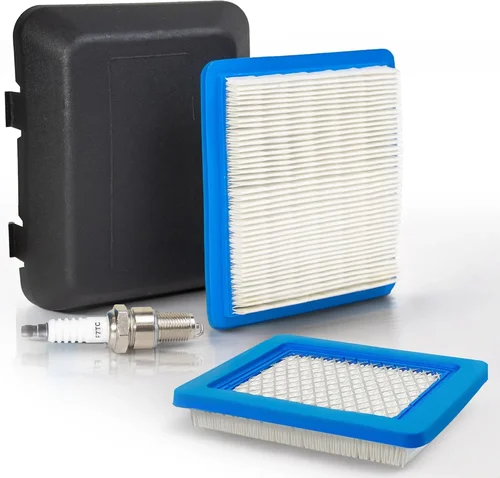
- Look for Multi-Packs: If you mow frequently, buying a 2- or 3-pack of filters can reduce the per-unit cost and ensure you always have a spare.
- Use Retailer Loyalty Programs: Stores like Home Depot and Lowe’s offer rewards programs that give you points or discounts on future purchases—great for recurring maintenance items.
- Read Return Policies: Make sure you can return or exchange a filter if it doesn’t fit. Some online sellers have restocking fees, so check the fine print.
- Inspect Before Installing: Even new filters can be damaged in shipping. Check for cracks, tears, or deformities before putting it on your mower.
- Keep Records: Note the date of installation and hours of use. This helps you track when the next replacement is due and ensures consistent maintenance.
- Consider a Filter Maintenance Kit: If you go with a reusable foam filter, invest in a cleaning and re-oiling kit. It pays for itself over time and keeps your filter performing like new.

Frequently Asked Questions
Q: How often should I replace the air filter on my Honda HRX217?
A: Honda recommends checking the air filter every 25 hours of operation or at the start of each mowing season. In dusty conditions, inspect it more frequently—every 10–15 hours. Replace disposable filters when they appear dirty or clogged. Reusable filters should be cleaned and re-oiled according to the manufacturer’s instructions.
Q: Can I clean a paper air filter instead of replacing it?
A: No, paper filters are not designed to be cleaned. Attempting to blow out debris with compressed air can damage the delicate fibers and reduce filtration efficiency. Always replace paper filters when dirty.
Q: Will a high-performance air filter improve my mower’s power?
A: A clean, high-flow filter can restore lost performance caused by a clogged filter, but it won’t significantly increase power beyond the engine’s design limits. However, it can improve throttle response and fuel efficiency by ensuring optimal airflow.
Q: Are aftermarket air filters safe to use?
A: Yes, as long as they are from a reputable brand and specifically compatible with the HRX217. Many aftermarket filters meet or exceed OEM standards. Avoid no-name brands or filters with poor reviews.
Q: What happens if I don’t replace a dirty air filter?
A: A clogged filter restricts airflow, causing the engine to run hotter, lose power, and consume more fuel. Over time, this can lead to overheating, increased wear, and potentially costly engine damage.
Q: Can I use a foam filter in place of the original paper filter?
A: Only if it’s designed as a direct replacement for the HRX217. Some foam filters are engineered to fit and perform as well as OEM parts, but universal foam inserts may not seal properly. Always verify compatibility.
Q: Where is the air filter located on the Honda HRX217?
A: The air filter is housed in a black plastic cover on the side of the engine, near the carburetor. It opens without tools by lifting the latch or removing a knob, depending on the model year.
Q: How do I know if my air filter is causing overheating?
A: Signs include reduced power, black smoke from the exhaust, difficulty starting, or the engine running hotter than usual. If you notice these symptoms and the filter is dirty, replace it immediately.
Q: Can I buy a Honda air filter at a local hardware store?
A: Some larger hardware stores or lawn equipment dealers carry Honda parts, but availability varies. For guaranteed OEM filters, it’s best to order online through Honda’s official parts site or visit a certified dealer.
Q: Is it worth upgrading to a reusable air filter?
A: If you mow frequently or in dusty conditions, a reusable foam filter can save money over time and reduce waste. Just be sure to maintain it properly with regular cleaning and oiling.
Our Final Recommendations
Best for Budget-Conscious Buyers: Stens 950-017 Air Filter – A reliable aftermarket paper filter that fits the HRX217 perfectly and costs under $8. Great for occasional mowers who want decent performance without breaking the bank.
Best Overall Value: OEM Honda 17210-PLWA-000 Air Filter – The original Honda filter offers guaranteed compatibility, excellent filtration, and peace of mind. Priced around $15, it’s a smart investment for most users.
Best Premium Option: K&N RC-1043 Air Filter – A high-performance reusable foam filter designed for small engines. Offers superior airflow, washable design, and long-term savings. Ideal for frequent mowers or dusty environments.
Best for Beginners: Briggs & Stratton 5415K Air Filter – Easy to install, widely available, and compatible with the HRX217. Comes with clear instructions and is a great first replacement for new mower owners.
Best for Advanced Users: Hybrid Paper-Foam Filter (e.g., Oregon 36-038) – Combines the fine filtration of paper with the durability of foam. Offers extended service life and enhanced protection, perfect for those who want the best of both worlds.
Conclusion: Making the Right Choice
Choosing the right air filter for your Honda HRX217 isn’t just about swapping out a part—it’s about protecting your investment, ensuring reliable performance, and preventing costly overheating issues. Throughout this guide, we’ve covered the essential factors to consider, from compatibility and material quality to maintenance habits and budget planning. We’ve compared different filter types, highlighted common pitfalls, and shared expert tips to help you get the best value and performance from your purchase.
Remember, the air filter plays a vital role in your mower’s engine health. A clean, well-fitting filter allows for optimal airflow, keeps contaminants out, and helps the engine run cooler—especially during long or intense mowing sessions. Whether you opt for an OEM Honda filter for guaranteed reliability, a reusable foam filter for long-term savings, or a high-performance hybrid for balanced protection, the key is to match the filter to your specific needs and usage patterns.
Don’t let a simple maintenance task become an afterthought. By taking the time to choose wisely, you’ll extend the life of your HRX217, reduce the risk of overheating, and enjoy smoother, more efficient mowing season after season. Use the recommendations and tips in this guide to make a confident decision, and always prioritize quality over cost when it comes to engine protection.
Now that you’re equipped with the knowledge to make the right choice, it’s time to take action. Check your current filter, assess your mowing environment, and select a replacement that fits your budget and performance needs. Your Honda HRX217 will thank you with years of reliable service—and you’ll spend less time worrying about breakdowns and more time enjoying a perfectly manicured lawn.