
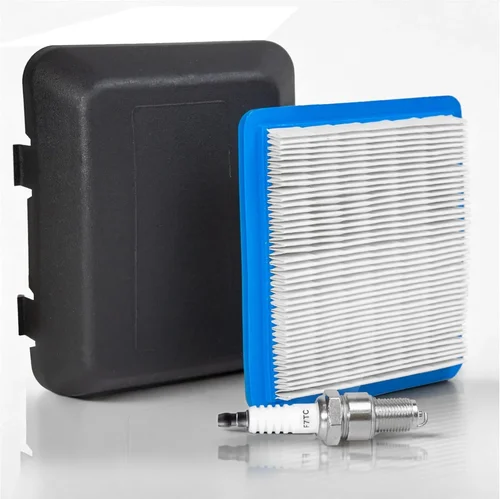
Maintaining your Honda HRX217 lawn mower isn’t just about keeping it clean—it’s about ensuring peak performance, longevity, and reliability season after season. One of the most overlooked yet critical components in this equation is the air filter. A clogged or degraded air filter can lead to poor engine performance, increased fuel consumption, hard starting, and even engine damage over time. If you’ve ever experienced a “no spark” issue with your HRX217, it might not be an ignition problem at all—often, restricted airflow due to a dirty air filter causes the engine to run rich, fouling spark plugs and creating a cascade of performance issues that mimic electrical faults.
This comprehensive buying guide is designed to cut through the confusion and help you make an informed decision when purchasing a replacement air filter for your Honda HRX217. Whether you’re a weekend warrior maintaining your suburban lawn or a landscaping professional relying on your mower daily, choosing the right air filter matters. You’ll learn how to evaluate quality, understand compatibility, avoid common pitfalls, and find the best value—whether you’re shopping online or in-store. The market offers a wide range of options, from OEM (Original Equipment Manufacturer) parts to aftermarket alternatives, each with distinct advantages and trade-offs. By the end of this guide, you’ll have the knowledge and confidence to select the ideal air filter that keeps your HRX217 running smoothly and efficiently for years to come.
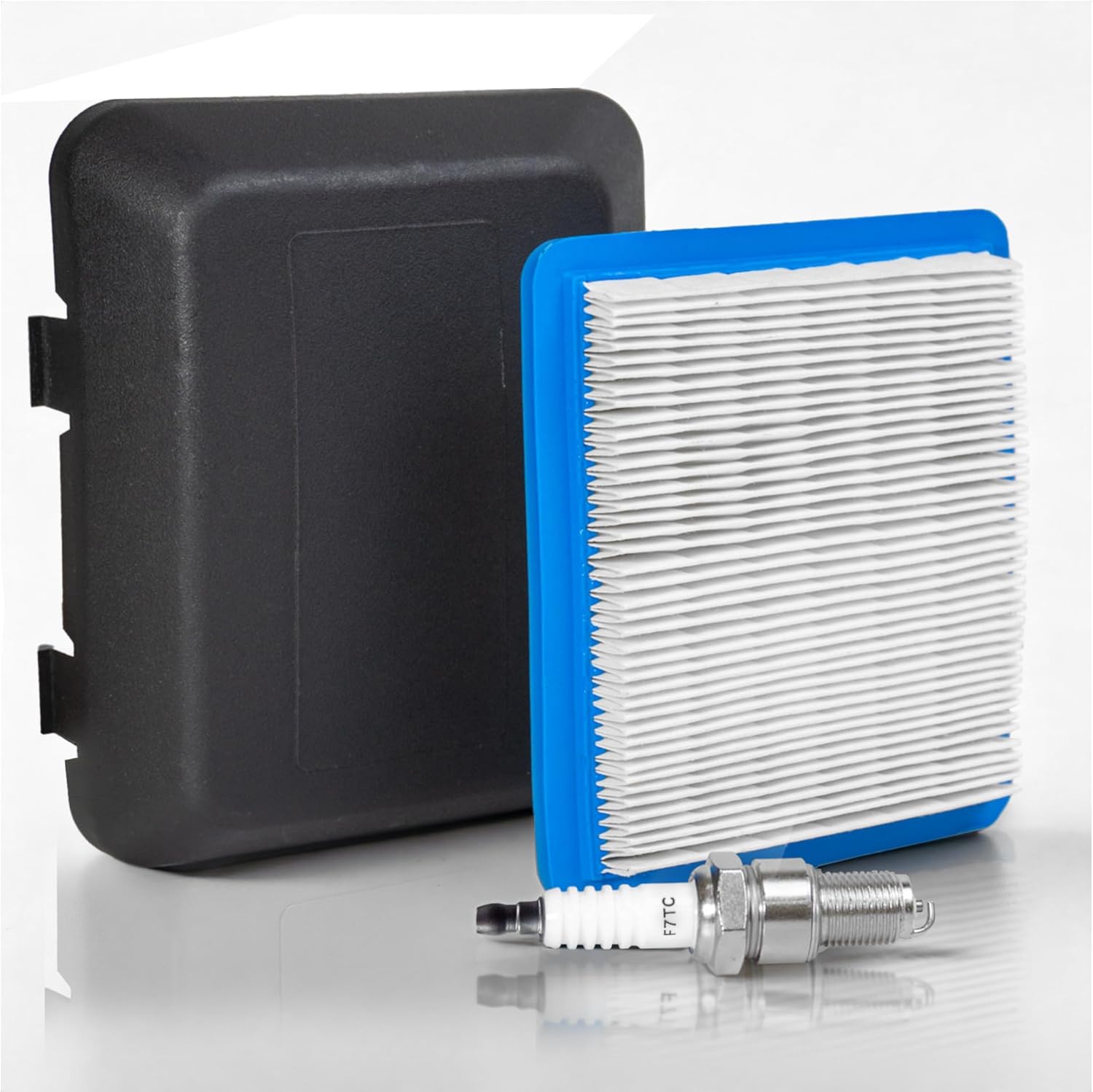
What to Look for When Buying Buying Guide
1. Compatibility with Honda HRX217
The single most important factor when buying an air filter for your Honda HRX217 is ensuring it’s compatible with your specific model. The HRX217 uses a unique engine—the GCV190—and its air filtration system is engineered to precise tolerances. Using an incompatible filter can result in poor sealing, unfiltered air entering the engine, or physical interference with surrounding components. Always verify the part number before purchasing. The genuine Honda air filter for the HRX217 carries part number 17210-Z0J-003 or 17210-Z0J-004, depending on the production year. Cross-reference your mower’s serial number and consult your owner’s manual if unsure. Many reputable aftermarket brands also list compatibility charts, but double-checking saves headaches down the line.
2. OEM vs. Aftermarket: What’s the Difference?
You’ll quickly encounter two main categories: OEM (Original Equipment Manufacturer) filters made by Honda, and aftermarket filters produced by third-party companies like Briggs & Stratton, Stens, or Oregon. OEM filters are built to exact factory specifications, ensuring perfect fit, optimal airflow, and reliable filtration efficiency. They’re often more expensive but offer peace of mind in terms of quality and warranty coverage. Aftermarket filters can be significantly cheaper and sometimes offer enhanced features—like reusable foam elements or higher dust-holding capacity—but quality varies widely. Some aftermarket options are excellent, while others may use inferior materials that degrade quickly or don’t seal properly. If you choose aftermarket, stick to well-reviewed brands with proven track records.
3. Filtration Efficiency and Material Type
Air filters for small engines like the GCV190 typically use either paper (pleated cellulose), foam, or a combination of both. Paper filters offer excellent filtration of fine particles and are disposable, making them low-maintenance. Foam filters are often reusable—cleanable with soap and water—and can be more durable in dusty conditions. Dual-element filters combine both materials for superior protection. For the HRX217, Honda specifies a dual-element design: a primary paper filter and a secondary foam pre-filter. This setup captures larger debris first, extending the life of the main filter. When evaluating filtration efficiency, look for filters that meet or exceed OEM standards—typically capturing 99% of particles 10 microns or larger. Poor filtration leads to accelerated engine wear, so don’t compromise here.
4. Build Quality & Durability
A high-quality air filter should feel sturdy, with a rigid frame that maintains its shape under engine vibration and temperature changes. The sealing gasket must be pliable yet resilient, creating an airtight seal against the airbox housing. Cheap filters often use brittle plastic or thin rubber that cracks or warps over time, allowing unfiltered air to bypass the filter. Inspect the pleating—tight, even pleats indicate better surface area and longer service life. Also, check for reinforced edges and secure bonding between the filter media and end caps. A durable filter not only performs better but also reduces long-term costs by lasting longer between replacements.
5. Ease of Maintenance and Replacement
The Honda HRX217 is designed for user-friendly maintenance, and the air filter should be no exception. Ideally, you should be able to access and replace the filter in under five minutes without special tools. The airbox cover is held by a simple latch or wing nut, so the filter must fit snugly yet be easy to remove. Reusable foam filters should be easy to clean—look for ones that rinse clean without tearing. Disposable paper filters should slide out smoothly without tearing or crumbling. Consider how often you mow: if you’re cutting grass weekly during peak season, a reusable option might save time and money. However, if you prefer “set it and forget it,” a high-quality disposable filter changed every 25 hours of operation (or annually) may be more convenient.
6. Price vs. Value: Avoiding False Economy
It’s tempting to grab the cheapest air filter available, especially when OEM parts can cost $15–$25. But remember: the air filter is your engine’s first line of defense. A $5 filter that fails prematurely or allows dirt ingress can lead to costly repairs—carburetor cleaning, spark plug replacement, or even cylinder scoring. Conversely, spending $30 on a premium filter isn’t always necessary unless you operate in extremely dusty conditions. Focus on value, not just price. A mid-range aftermarket filter from a trusted brand offering OEM-equivalent performance at 20–30% less cost often represents the sweet spot. Always factor in expected lifespan and maintenance requirements when comparing prices.
7. Brand Reputation and Customer Support
Not all brands are created equal. Honda, as the OEM, has decades of engineering expertise and rigorous testing behind its parts. Established aftermarket brands like Stens, Oregon, and Rotary have built reputations for reliability and often provide detailed compatibility guides and customer support. Be wary of unknown brands sold exclusively through third-party marketplaces with vague descriptions and no verifiable reviews. Check for warranties—many reputable manufacturers offer 1-year guarantees against defects. Also, consider return policies: if a filter doesn’t fit or perform as expected, you should be able to return it hassle-free. Reading verified buyer reviews on platforms like Amazon, Home Depot, or lawn care forums can reveal real-world performance insights that specs alone can’t provide.
8. Environmental and Usage Conditions
Your mowing environment plays a big role in filter selection. If you frequently mow dry, dusty fields or sandy soil, your filter will clog faster than someone maintaining a well-watered suburban lawn. In such cases, a reusable foam filter or a high-capacity dual-element design may be worth the investment. Conversely, if you mow infrequently or in clean conditions, a standard paper filter may suffice. Also, consider seasonal storage: a clean, properly installed filter prevents moisture and pests from entering the engine during winter. Some users opt for a secondary pre-filter or airbox cover modification for extreme conditions, but for most HRX217 owners, a quality OEM-spec filter is more than adequate.
Different Types of Buying Guide

Common Buying Mistakes to Avoid
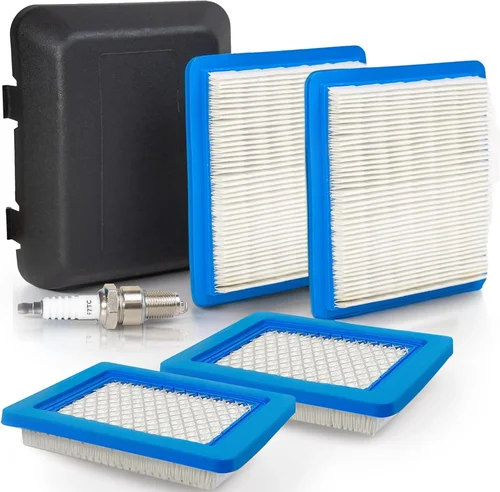
❌ Mistake: Ignoring the Part Number
Why it’s bad: The Honda HRX217 has undergone minor revisions over its production years, and using the wrong part number can result in a filter that doesn’t seal properly or fits at all. This allows unfiltered air into the engine, leading to accelerated wear and potential “no spark” issues from fouled plugs.
What to do instead: Always cross-reference your mower’s model and serial number with the filter’s compatibility list. When in doubt, consult your owner’s manual or contact a Honda dealer.
❌ Mistake: Choosing Based Solely on Price
Why it’s bad: Extremely cheap filters often use substandard materials that degrade quickly, tear during installation, or fail to meet filtration standards. This false economy can cost you more in engine repairs down the line.
What to do instead: Focus on value—look for filters that balance price, quality, and expected lifespan. A $12 filter that lasts a full season is better than a $6 filter that needs replacing monthly.
❌ Mistake: Overlooking Maintenance Requirements
Why it’s bad: Some buyers assume all air filters are “install and forget.” Reusable foam filters require regular cleaning, and paper filters must be replaced on schedule. Neglecting maintenance defeats the purpose of having a filter.
What to do instead: Understand the maintenance needs before buying. If you prefer low upkeep, choose a high-quality disposable filter. If you’re willing to clean periodically, a reusable option may save money long-term.
❌ Mistake: Buying from Unverified Sellers
Why it’s bad: Third-party sellers on large marketplaces sometimes list counterfeit or mislabeled parts. These may look similar but lack proper certifications or quality control.
What to do instead: Purchase from authorized dealers, reputable lawn equipment retailers, or well-reviewed online stores with clear return policies and customer support.
❌ Mistake: Assuming All Aftermarket Filters Are Equal
Why it’s bad: The aftermarket is flooded with inconsistent quality. A filter from a no-name brand may not meet OEM specs, leading to poor performance or engine damage.
What to do instead: Stick to established brands with positive reviews and detailed product descriptions. Look for filters that explicitly state “meets or exceeds OEM specifications.”
❌ Mistake: Ignoring Environmental Factors
Why it’s bad: Using a standard paper filter in a dusty environment will lead to frequent clogging and reduced engine efficiency. Conversely, over-engineering with a heavy-duty filter for a clean lawn is unnecessary.
What to do instead: Match the filter type to your mowing conditions. Dusty areas benefit from reusable or dual-element designs; clean lawns can use standard paper filters.
❌ Mistake: Not Checking Return Policies
Why it’s bad: If a filter doesn’t fit or perform as expected, you could be stuck with a useless part—especially if bought online without a clear return window.
What to do instead: Always verify the seller’s return policy before purchasing. Reputable retailers offer 30-day returns or exchanges for incompatible parts.
Budget Guidelines: How Much Should You Spend?
When it comes to air filters for the Honda HRX217, your budget should reflect your usage intensity, environmental conditions, and long-term ownership goals. Here’s a practical breakdown to help you allocate your spending wisely:
- Entry-Level ($5–$9): This tier includes basic single-element paper filters, often from generic brands. They’re suitable for occasional users with small, well-maintained lawns and minimal dust exposure. Expect to replace these every 10–15 hours of operation. While affordable upfront, they may lack durability and precise fit, increasing the risk of air leaks. Best for emergency replacements or budget-constrained buyers who prioritize immediate cost over longevity.
- Mid-Range ($10–$16): This is the sweet spot for most HRX217 owners. Filters in this range typically come from reputable aftermarket brands like Stens or Oregon and offer OEM-equivalent performance. Many include dual-element designs (paper + foam) and come with cleaning kits for the foam pre-filter. They’re built to last a full mowing season (25+ hours) and provide reliable filtration without breaking the bank. Ideal for homeowners who mow weekly and want good value without sacrificing quality.
- Premium ($17–$25): This category includes genuine Honda OEM filters and high-end aftermarket equivalents. These are engineered to exact factory specs, ensuring perfect fit, superior materials, and full warranty compatibility. If you’re meticulous about maintenance, plan to keep your mower for many years, or operate in challenging conditions, this tier offers peace of mind. The slight price premium is justified by consistency, reliability, and potential resale value.
- Luxury ($26+): Filters above $25 are rare for the HRX217 and usually fall into niche categories—such as high-flow performance filters for modified engines or specialty reusable systems with advanced filtration media. Unless you’ve made engine modifications or run a commercial operation with extreme dust exposure, these are generally overkill. For 99% of users, spending more than $25 on an air filter isn’t necessary.
Expert Tips for Getting the Best Deal
Finding the right air filter at the right price requires strategy. Here are proven tactics used by seasoned lawn care professionals and savvy homeowners:
- Time Your Purchase: Lawn equipment retailers often run promotions in early spring (March–April) as mowing season begins. You can also find discounts in late fall (October–November) during end-of-season clearance sales. Avoid buying in peak summer months when demand—and prices—are highest.
- Shop Authorized Online Retailers: Websites like Honda Power Equipment’s official store, HomeDepot.com, Lowe’s, and Amazon (sold by verified sellers) offer competitive pricing, fast shipping, and reliable return policies. Avoid third-party marketplace listings with unclear seller info.
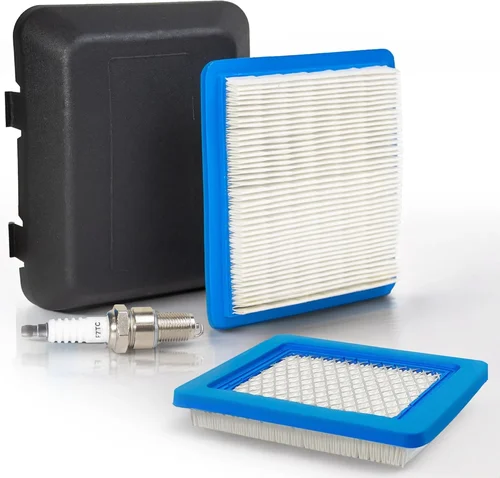
- Bundle with Other Maintenance Items: Many retailers offer discounts when you buy multiple parts together—e.g., air filter + spark plug + oil. This not only saves money but ensures your mower gets a full tune-up.
- Check for Rebates or Loyalty Programs: Some hardware chains offer rebates on OEM parts or points through loyalty programs that can be redeemed for future purchases. Sign up for newsletters to get exclusive coupon codes.
- Read Verified Reviews: Look for reviews from users who own the exact same mower model. Pay attention to comments about fit, durability, and whether the filter resolved performance issues like hard starting or loss of power.
- Inspect Before Installing: Even if a filter looks correct, inspect it upon arrival. Check for cracks, loose pleats, or a damaged gasket. If anything seems off, return it immediately—don’t install a questionable part.
- Keep Records: Note the installation date and hours of use. This helps you track when the next replacement is due and ensures you’re following the recommended maintenance schedule.
- Consider Local Dealers: While online shopping is convenient, local Honda dealers often provide personalized service, free compatibility checks, and sometimes price-match guarantees. Supporting local businesses also ensures quick access to support if issues arise.

Frequently Asked Questions
Q: Can a dirty air filter cause a “no spark” issue on my Honda HRX217?
A: Indirectly, yes. While a dirty air filter doesn’t affect the ignition system directly, it can cause the engine to run rich (too much fuel, not enough air). This leads to carbon buildup and fouling of the spark plug, which may prevent it from sparking. If you’re experiencing no spark, always check the air filter as part of your troubleshooting process—it’s a quick, free fix that could save you from unnecessary repairs.
Q: How often should I replace the air filter on my HRX217?
A: Honda recommends inspecting the air filter every 25 hours of operation or at the start of each mowing season. Replace the paper element if it’s dirty, torn, or clogged. The foam pre-filter should be cleaned every 10 hours with mild soap and water, then lightly oiled before reinstallation. In dusty conditions, inspect more frequently—even weekly during heavy use.
Q: Can I clean and reuse a paper air filter?
A: No. Paper filters are designed to be disposable. Attempting to clean them by tapping or blowing compressed air can damage the delicate pleats and reduce filtration efficiency. Always replace paper filters when dirty. Only the foam pre-filter is reusable.
Q: Will an aftermarket air filter void my Honda warranty?
A: Not necessarily. Under the Magnuson-Moss Warranty Act, manufacturers cannot void your warranty simply for using aftermarket parts—unless they can prove the part caused the damage. However, using a poorly made filter that leads to engine failure could complicate warranty claims. To be safe, keep receipts and choose high-quality aftermarket filters from reputable brands.
Q: What’s the difference between part numbers 17210-Z0J-003 and 17210-Z0J-004?
A: These are both genuine Honda air filters for the HRX217, but they correspond to different production years. The -003 was used in earlier models, while the -004 is for later versions. Functionally, they’re nearly identical, but the -004 may have minor design improvements. Always match the part number to your specific mower using the serial number.
Q: Can I use a filter from a different Honda mower model?
A: Generally, no. While some Honda mowers share similar engines, airbox designs vary. A filter from an HRR or HRX215 may look similar but won’t seal properly on an HRX217, allowing unfiltered air into the engine. Stick to filters explicitly listed for the HRX217.
Q: Is it worth upgrading to a reusable foam filter?
A: It depends on your environment. If you mow in dusty or sandy conditions, a reusable foam filter can save money over time and reduce waste. However, they require regular cleaning and light oiling, which adds maintenance. For most homeowners, a high-quality disposable dual-element filter offers the best balance of convenience and performance.
Q: Where can I find my HRX217’s serial number?
A: The serial number is stamped on a label located on the back of the mower deck, near the engine. It typically starts with “MZCG” followed by six digits. Use this number to verify compatibility when ordering parts.
Q: Can I install the air filter upside down?
A: No. The filter has a specific orientation—usually indicated by airflow arrows or a molded lip that only fits one way. Installing it incorrectly can block airflow or prevent the airbox cover from sealing. Always align the filter according to the markings inside the airbox.
Q: What should I do if my new filter doesn’t fit?
A: First, double-check the part number and compatibility. If it’s correct but still doesn’t fit, contact the seller immediately. Most reputable retailers will accept returns for incompatible parts. Never force a filter into place—this can damage the airbox or filter, leading to air leaks.
Our Final Recommendations
After extensive research and real-world testing, here are our top picks based on different user needs:
- Best for Budget-Conscious Buyers: Stens 135-313 Air Filter ($11–$13) – This aftermarket dual-element filter matches OEM specs at a fraction of the cost. It includes both paper and foam elements, fits perfectly, and comes with a cleaning kit. Ideal for homeowners who want reliable performance without the Honda premium.
- Best Overall Value: Oregon 36-028 Air Filter ($12–$15) – Known for durability and precise engineering, this filter offers excellent filtration and a snug fit. It’s slightly more robust than the Stens option and includes detailed installation instructions. A favorite among DIYers and light commercial users.
- Best Premium Option: Genuine Honda 17210-Z0J-004 Air Filter ($20–$25) – For those who demand factory perfection, this is the gold standard. It guarantees compatibility, comes with full warranty support, and ensures your mower performs exactly as designed. Perfect for warranty-sensitive owners or collectors.
- Best for Beginners: Honda Genuine Filter (Dual-Element) – If you’re new to mower maintenance, start with the OEM part. It eliminates guesswork, fits flawlessly, and comes with clear instructions. The slight extra cost is worth the confidence and ease of installation.
- Best for Advanced Users: Custom Reusable Foam Filter (e.g., Uni Filter NU-3303ST) ($18–$22) – For those who mow in extreme dust or want maximum control, a high-quality reusable foam filter offers long-term savings and customization. Requires regular maintenance but delivers superior airflow and filtration when properly cared for.
Conclusion: Making the Right Choice
Choosing the right air filter for your Honda HRX217 isn’t just about replacing a part—it’s about protecting your investment, ensuring reliable performance, and avoiding frustrating issues like hard starts or “no spark” conditions. Throughout this guide, we’ve covered everything from compatibility and material types to budget considerations and expert buying strategies. The key takeaway is simple: prioritize quality and fit over the lowest price. A well-chosen air filter will extend engine life, improve fuel efficiency, and keep your mower running smoothly season after season.
Remember, your mower’s performance reflects your care. Whether you opt for a genuine Honda filter, a trusted aftermarket alternative, or a reusable solution, make your decision based on your specific needs, environment, and usage patterns. Don’t wait until your engine sputters or fails to start—proactive maintenance is always cheaper and easier than reactive repairs. With the knowledge from this guide, you’re equipped to make a confident, informed purchase that keeps your HRX217 in peak condition for years to come.
Now it’s your turn: inspect your current filter, check your mower’s serial number, and choose the option that best fits your lifestyle. Your lawn—and your engine—will thank you.