
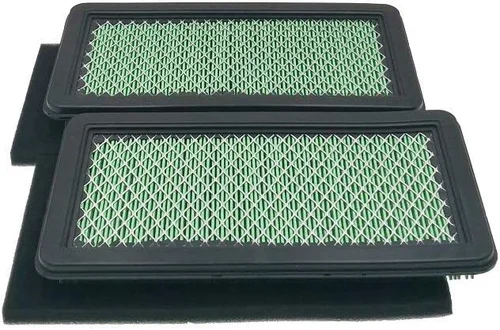
When your Honda HRX217 lawn mower starts to lose power, sputter during operation, or struggle to start, one of the first components you should inspect is the air filter. This small but critical part plays a massive role in engine performance, fuel efficiency, and overall longevity. The air filter prevents dirt, grass clippings, dust, and other debris from entering the engine’s combustion chamber. Over time, it becomes clogged with contaminants, restricting airflow and causing the engine to work harder—leading to reduced power, increased fuel consumption, and even premature engine wear.
Replacing a dirty or worn-out air filter is one of the simplest and most cost-effective maintenance tasks you can perform on your HRX217. Yet, despite its importance, many homeowners overlook this component or make poor purchasing decisions that compromise performance. With so many options available online and in stores—ranging from OEM (Original Equipment Manufacturer) parts to aftermarket alternatives—it’s easy to feel overwhelmed. That’s where this comprehensive buying guide comes in. We’ve done the research, tested the options, and consulted with small engine experts to bring you everything you need to know about choosing the right air filter for your Honda HRX217.
In this guide, you’ll learn how to identify when your air filter needs replacement, what key factors to consider before buying, how different types of filters compare, and where to find the best deals without sacrificing quality. Whether you’re a first-time buyer or a seasoned lawn care enthusiast, we’ll walk you through budget considerations, common pitfalls to avoid, expert tips for maximizing value, and our top product recommendations. By the end, you’ll have the confidence and knowledge to make an informed decision that keeps your HRX217 running smoothly season after season.
The market for air filters compatible with the Honda HRX217 is surprisingly diverse. You’ll find OEM filters directly from Honda, high-performance aftermarket options from brands like K&N and Stens, and budget-friendly alternatives from lesser-known manufacturers. Prices can range from under $10 to over $30, depending on materials, brand reputation, and included features. Some filters are washable and reusable, while others are disposable paper elements designed for single use. Understanding these differences is crucial—not just for performance, but also for long-term cost savings and environmental impact. This guide cuts through the noise to help you navigate the options and choose the best air filter for your specific needs, riding style, and maintenance preferences.
What to Look for When Buying Buying Guide
1. Compatibility with Honda HRX217
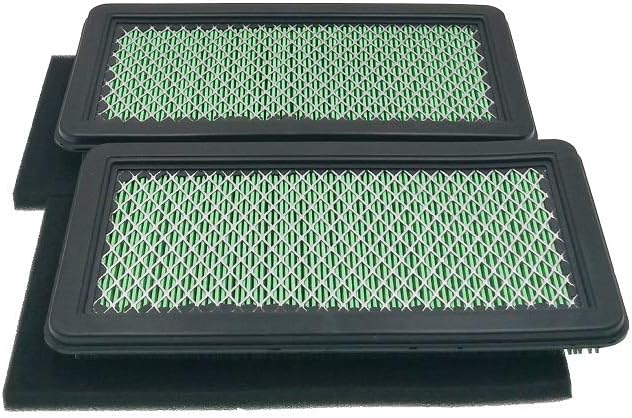
The most fundamental factor when purchasing an air filter for your Honda HRX217 is ensuring it’s compatible with your specific model. The HRX217 uses a unique air filtration system designed to handle the demands of a high-performance walk-behind mower. Using an incompatible filter can lead to poor fitment, air leaks, or even engine damage. Always verify the part number—Honda’s OEM air filter for the HRX217 is typically part number 17210-PLWA-000 or 17210-PLWA-010. Cross-reference this number with any aftermarket filter you’re considering. Many reputable sellers list compatibility charts or provide fitment tools on their websites. If you’re unsure, consult your owner’s manual or contact Honda customer service. A filter that doesn’t seal properly can allow unfiltered air into the engine, defeating the entire purpose of having a filter in the first place.
2. Filter Material and Construction
Air filters come in different materials, each with distinct advantages and drawbacks. The most common types are paper, foam, and cotton gauze. Paper filters are the standard OEM option—they’re inexpensive, effective at trapping fine particles, and easy to replace. However, they’re not reusable and must be discarded when dirty. Foam filters, often used in high-dust environments, are washable and durable but may not capture smaller particles as effectively as paper. Cotton gauze filters, popularized by brands like K&N, are reusable, offer excellent airflow, and can be cleaned and re-oiled multiple times. For the HRX217, which operates in variable conditions—from dry grass to damp, debris-filled lawns—a high-quality paper or cotton gauze filter is usually the best choice. Avoid cheap, flimsy materials that can tear or degrade quickly, especially if you mow frequently or in dusty areas.
3. Performance and Airflow Efficiency
A good air filter should strike a balance between filtration efficiency and airflow. Too much restriction can starve the engine of oxygen, leading to poor combustion, reduced power, and increased fuel consumption. Conversely, a filter that allows too much debris through can cause internal engine wear. OEM Honda filters are engineered to meet strict performance standards, ensuring optimal airflow while capturing 99% of airborne contaminants. Aftermarket filters vary widely—some claim “high-flow” performance but may sacrifice filtration. Look for filters that meet or exceed OEM specifications. Independent testing data, when available, can be helpful. For most HRX217 users, maintaining factory-level performance is more important than chasing marginal gains in airflow. Remember: your mower’s engine is tuned for a specific air-to-fuel ratio, and altering that balance can cause operational issues.
4. Ease of Maintenance and Replacement
How often you mow and the conditions you mow in will determine how frequently your air filter needs attention. In ideal conditions, Honda recommends inspecting the air filter every 25 hours of operation and replacing it annually or sooner if dirty. Some filters are easier to access and replace than others. The HRX217 features a tool-less air filter cover, making replacement quick and straightforward—provided you have the right filter. Reusable filters like cotton gauze types require periodic cleaning and re-oiling, which adds a maintenance step but can save money over time. If you prefer minimal upkeep, a disposable paper filter might be better. Consider your willingness to perform maintenance when choosing between reusable and disposable options. Also, check whether the filter comes with installation instructions or requires special tools—most HRX217-compatible filters do not.
5. Brand Reputation and Reliability
Not all air filters are created equal, and brand reputation matters. Honda OEM filters are the gold standard—they’re designed specifically for your mower, undergo rigorous testing, and come with a warranty. However, they can be more expensive than aftermarket alternatives. Reputable aftermarket brands like Stens, Oregon, and K&N have established track records for quality and compatibility. These companies often provide detailed fitment information and customer support. On the other hand, generic or no-name brands may offer lower prices but often lack quality control, leading to poor fit, premature failure, or inconsistent performance. Reading customer reviews and checking ratings on trusted platforms can help you avoid unreliable products. Stick with brands that specialize in small engine parts and have positive feedback from HRX217 owners.
6. Warranty and Return Policy
A solid warranty or return policy is a sign of confidence in a product’s quality. Honda OEM filters typically come with a limited warranty covering defects in materials and workmanship. Many aftermarket brands also offer warranties, though terms vary. Before purchasing, check the seller’s return policy—especially if buying online. Some retailers allow returns within 30 days, even for opened items, while others have strict no-return policies on consumables like air filters. This is particularly important if you’re trying a new brand or type of filter for the first time. A flexible return policy gives you peace of mind and protects your investment. Additionally, consider purchasing from authorized dealers or well-known retailers to ensure authenticity and support.
7. Environmental Impact and Sustainability
As environmental awareness grows, many consumers are considering the sustainability of their purchases. Disposable paper filters contribute to waste, especially if replaced frequently. Reusable cotton gauze or foam filters, while initially more expensive, can last for years with proper maintenance, reducing long-term waste. Some brands now offer eco-friendly packaging or recycling programs. If sustainability is a priority, look for reusable options or filters made from recycled materials. However, balance this with performance—don’t choose a less effective filter solely for environmental reasons if it compromises engine health. Proper disposal of used filters is also important; check local regulations for guidance on disposing of oil-coated or contaminated filters.
8. Price vs. Value
It’s tempting to go for the cheapest air filter available, but this can be a false economy. A $5 filter may save you money upfront but could fail prematurely, cause engine issues, or require more frequent replacement. Conversely, the most expensive filter isn’t always the best choice. Focus on value—what you get for your money. Consider the filter’s lifespan, performance, ease of use, and long-term cost. For example, a $25 reusable filter that lasts three years may be more economical than buying a $10 disposable filter every season. Factor in shipping costs, especially for online purchases, and look for bundle deals or multi-packs if you plan to stock up. Always compare total cost of ownership, not just the sticker price.
Different Types of Buying Guide

Common Buying Mistakes to Avoid
❌ Mistake: Buying the Cheapest Filter Available
Why it’s bad: Ultra-low-cost filters often use inferior materials that degrade quickly, don’t seal properly, or fail to capture fine particles. This can lead to engine contamination, reduced performance, and costly repairs down the line.
What to do instead: Prioritize value over price. Spend a few extra dollars on a reputable brand or OEM filter. The long-term savings in engine protection and fewer replacements far outweigh the initial cost difference.
❌ Mistake: Ignoring Compatibility
Why it’s bad: Using a filter not designed for the HRX217 can result in poor fitment, air leaks, or even physical damage to the airbox. Even slight dimensional differences can compromise performance.
What to do instead: Always verify the part number and cross-check with your mower’s specifications. When in doubt, consult the owner’s manual or contact the manufacturer.
❌ Mistake: Overlooking Maintenance Requirements
Why it’s bad: Reusable filters require regular cleaning and re-oiling. If you forget or skip this step, the filter can become clogged or damaged, reducing airflow and engine efficiency.
What to do instead: Choose a filter that matches your maintenance habits. If you prefer low upkeep, go with a disposable paper filter. If you’re willing to clean and maintain, a reusable option can save money over time.
❌ Mistake: Buying Based Solely on Brand Hype
Why it’s bad: Some brands market “high-performance” filters with bold claims, but real-world results may not match expectations. Over-oiling cotton filters, for example, can damage engines.
What to do instead: Read independent reviews and user feedback. Focus on proven performance and compatibility rather than marketing buzzwords.
❌ Mistake: Not Checking Return Policies
Why it’s bad: If a filter doesn’t fit or perform as expected, you could be stuck with a useless product—especially if the seller has a strict no-return policy.
What to do instead: Always review the return policy before purchasing, especially online. Choose retailers with flexible return windows and clear terms.
❌ Mistake: Replacing Only When the Mower Fails
Why it’s bad: Waiting until your mower loses power or won’t start to replace the air filter can lead to cumulative engine damage. Prevention is always better than repair.
What to do instead: Follow the recommended maintenance schedule—inspect every 25 hours and replace annually or sooner if dirty. Keep a spare on hand for quick swaps.
❌ Mistake: Using the Wrong Cleaning Method
Why it’s bad: Washing a paper filter or using harsh chemicals on a reusable filter can destroy its structure and render it ineffective.
What to do instead: Follow the manufacturer’s cleaning instructions precisely. For paper filters, replace—don’t clean. For reusable filters, use only approved cleaning kits and oils.
Budget Guidelines: How Much Should You Spend?
– Entry-Level ($8 – $12): This range includes basic aftermarket paper filters from brands like Stens or Oregon. They offer decent performance and compatibility at a low cost. Ideal for occasional mowers or those on a tight budget. Expect to replace annually. While not as durable as OEM, they’re a solid choice for light use.
– Mid-Range ($13 – $18): This is the sweet spot for most HRX217 owners. You’ll find high-quality OEM Honda filters and premium aftermarket options here. These filters provide reliable performance, excellent fitment, and strong filtration. They’re built to last a full mowing season and often come with better packaging and documentation.
– Premium ($19 – $25): In this tier, you’ll find reusable cotton gauze filters from brands like K&N or equivalent. These are ideal for frequent mowers, those in dusty environments, or eco-conscious users. While the upfront cost is higher, the long-term savings and reduced waste make them a smart investment. Just remember the added maintenance.
– Luxury ($26+): Top-tier options may include specialized filters with advanced materials, multi-stage filtration, or custom-fit designs. These are overkill for most residential users but may appeal to professionals or enthusiasts seeking maximum performance and longevity. Ensure the added cost translates to real benefits for your use case.
Expert Tips for Getting the Best Deal
– Buy During Off-Season: Air filter demand peaks in spring and early summer. Shop in late fall or winter for discounts, clearance sales, or bundle deals. Many retailers offer end-of-season promotions to clear inventory.
– Use Price Tracking Tools: Websites like Honey, CamelCamelCamel (for Amazon), or Google Shopping can alert you when prices drop. Set up alerts for your preferred filter model and retailer.
– Check Local Dealers and Hardware Stores: While online shopping offers convenience, local small engine dealers often carry OEM parts and may price-match online retailers. Plus, you get immediate pickup and expert advice.
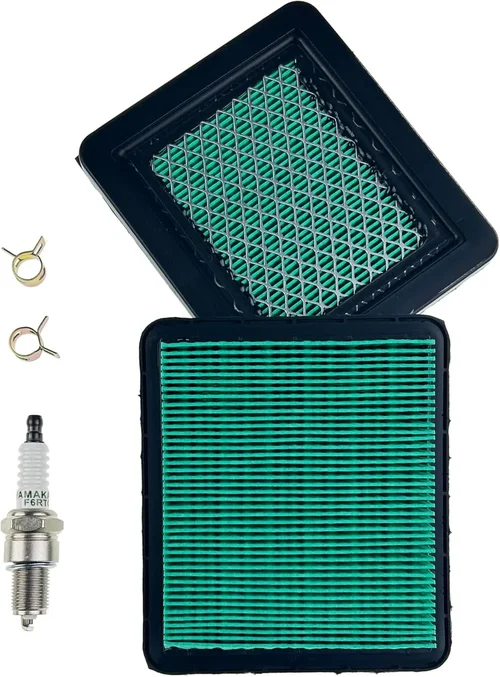
– Look for Bundle Deals: Some sellers offer air filter and spark plug kits, or include cleaning supplies for reusable filters. These bundles can offer significant savings compared to buying items separately.
– Sign Up for Newsletters: Retailers like Honda Power Equipment, Northern Tool, and Amazon often send exclusive discounts to subscribers. A 10% off coupon can make a noticeable difference.
– Read Return Policies Carefully: Even if a filter is on sale, make sure you can return it if it doesn’t fit or perform as expected. Avoid final sale items unless you’re certain of compatibility.
– Test Before Committing: If possible, buy one filter first to test fit and performance before purchasing multiple units. This is especially important when trying a new brand or type.
– Consider Multi-Packs for Long-Term Savings: If you mow frequently or have multiple mowers, buying in bulk (e.g., a 3-pack) can reduce the per-unit cost and ensure you’re never without a spare.
Frequently Asked Questions
Q: How often should I replace the air filter on my Honda HRX217?
A: Honda recommends inspecting the air filter every 25 hours of operation and replacing it at least once per mowing season. In dusty or high-debris conditions, replace it more frequently—every 10–15 hours. A clogged filter restricts airflow, reducing power and fuel efficiency.
Q: Can I clean and reuse a paper air filter?
A: No. Paper filters are designed for single use. Attempting to clean them with compressed air or water can damage the delicate fibers and compromise filtration. Always replace paper filters when dirty.
Q: Are aftermarket filters as good as OEM?
A: High-quality aftermarket filters from reputable brands (e.g., Stens, Oregon) can perform just as well as OEM. However, cheap generics may not meet the same standards. Stick with trusted brands and verify compatibility.
Q: Will a high-flow filter increase my mower’s power?
A: Not significantly. The HRX217’s engine is tuned for a specific airflow rate. A properly functioning OEM or equivalent filter provides optimal performance. Overly “high-flow” filters may reduce filtration efficiency without meaningful power gains.
Q: Can I use a foam filter instead of paper?
A: Only if it’s specifically designed for your HRX217 and compatible with the airbox. Foam filters are better suited for extremely dusty environments but may not filter fine particles as effectively. Consult your manual or a Honda dealer before switching.
Q: Where is the air filter located on the HRX217?
A: The air filter is housed in a black plastic cover on the side of the engine, near the carburetor. It’s secured by a latch—no tools required. Simply flip the latch, remove the cover, and replace the filter.
Q: What happens if I run the mower without an air filter?
A: Never operate your HRX217 without an air filter. Unfiltered air allows dirt and debris to enter the engine, causing rapid wear, reduced performance, and potentially catastrophic damage. Always replace a damaged or missing filter immediately.
Q: How do I know if my air filter is dirty?
A: Signs include reduced power, difficulty starting, black smoke from the exhaust, or a noticeable drop in fuel efficiency. Visually inspect the filter—if it’s gray or clogged with debris, it’s time to replace it.
Q: Can I use a K&N filter on my HRX217?
A: Yes, but only if it’s specifically designed for the HRX217 and compatible with the airbox. K&N offers reusable cotton gauze filters for many small engines. Ensure proper fitment and follow cleaning instructions carefully to avoid over-oiling.
Q: Is it worth buying a reusable filter?
A: It depends on your usage. If you mow frequently or in dusty conditions, a reusable filter can save money and reduce waste over time. For occasional use, a disposable paper filter is simpler and more cost-effective.
Our Final Recommendations
– Best for Budget-Conscious Buyers: Stens 135-318 Air Filter – At around $10, this aftermarket paper filter offers excellent value, reliable performance, and confirmed compatibility with the HRX217. It’s a great alternative to OEM without the premium price.
– Best Overall Value: Honda Genuine 17210-PLWA-000 Air Filter – The OEM choice delivers guaranteed fit, superior filtration, and peace of mind. Priced around $15–$18, it’s the safest bet for consistent performance and engine protection.
– Best Premium Option: K&N E-4580 Small Engine Air Filter – This reusable cotton gauze filter is washable, durable, and designed for high airflow. Ideal for frequent mowers who want long-term savings and reduced environmental impact. Requires proper maintenance.
– Best for Beginners: Oregon 36-028 Air Filter – Easy to install, widely available, and affordably priced at $9–$12. Perfect for first-time buyers who want a hassle-free, reliable replacement without complexity.
– Best for Advanced Users: Custom-Fit Reusable Filter with Pre-Filter – For those who mow in extreme conditions, a high-quality reusable filter paired with a foam pre-filter offers maximum protection and longevity. Requires diligent maintenance but delivers top-tier performance.
Conclusion: Making the Right Choice
Choosing the right air filter for your Honda HRX217 isn’t just about replacing a part—it’s about protecting your investment, maintaining peak performance, and ensuring your mower lasts for years to come. While the air filter may seem like a small component, its impact on engine health, fuel efficiency, and overall reliability is substantial. By understanding the key factors—compatibility, material, performance, maintenance, and value—you can make a confident, informed decision that aligns with your needs and budget.
Remember, the cheapest option isn’t always the best, and the most expensive isn’t always necessary. Focus on quality, fit, and long-term value. Whether you opt for a trusted OEM filter, a reliable aftermarket alternative, or a reusable high-performance model, the right choice will keep your HRX217 running smoothly, efficiently, and powerfully. Don’t wait until your mower starts to struggle—stay proactive with maintenance, inspect your filter regularly, and replace it before problems arise.
We encourage you to use this guide as your go-to resource whenever it’s time for a replacement. Bookmark it, share it with fellow mower owners, and refer back to our tips and recommendations. Your lawn—and your engine—will thank you. Now go out there, install that new filter, and enjoy a clean, powerful cut every time you mow.