
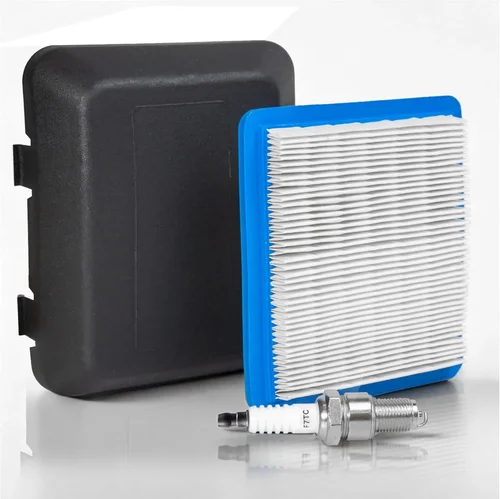
If you own a Honda HRX217 lawn mower, you already know it’s one of the most reliable and high-performing residential mowers on the market. But like any finely tuned machine, it requires regular maintenance to keep running smoothly—especially when something goes wrong. One common issue that can throw a wrench in your mowing routine is a leaking gas problem, which is often linked to a compromised or improperly installed air filter. The air filter plays a critical role in protecting your engine from dirt, debris, and contaminants, but when it fails or is mismatched, it can lead to fuel system imbalances, pressure buildup, and ultimately, gas leaks.
This comprehensive buying guide is designed specifically for Honda HRX217 owners who are dealing with—or want to prevent—gas leakage issues related to their air filter. Whether you’re troubleshooting an active leak or simply performing routine maintenance, choosing the right air filter is essential. A poor-quality or incorrect filter won’t just fail to stop the leak; it can worsen engine performance, reduce fuel efficiency, and even cause long-term damage. In this guide, we’ll walk you through everything you need to know to make an informed purchase: from understanding how the air filter affects fuel systems, to comparing top brands, avoiding common mistakes, and finding the best deals. By the end, you’ll have the knowledge and confidence to select the perfect air filter for your HRX217—and keep your mower running like new for years to come.
The market for small engine air filters is vast and often overwhelming. You’ll find OEM (Original Equipment Manufacturer) parts, aftermarket alternatives, reusable foam filters, paper elements, and even universal-fit options—all claiming to be the best. But not all filters are created equal, especially when it comes to precision-engineered machines like the Honda HRX217. This model uses a specific air filtration system designed to work in harmony with its GCV190 engine, and using the wrong filter can disrupt airflow, alter fuel mixture ratios, and contribute to pressure-related leaks. Our goal is to cut through the noise and give you a clear, expert-backed roadmap to finding the right air filter—one that fits perfectly, performs reliably, and helps eliminate or prevent gas leakage issues. Whether you’re shopping online or in-store, on a tight budget or looking for premium performance, this guide will ensure you get the best value and protection for your investment.
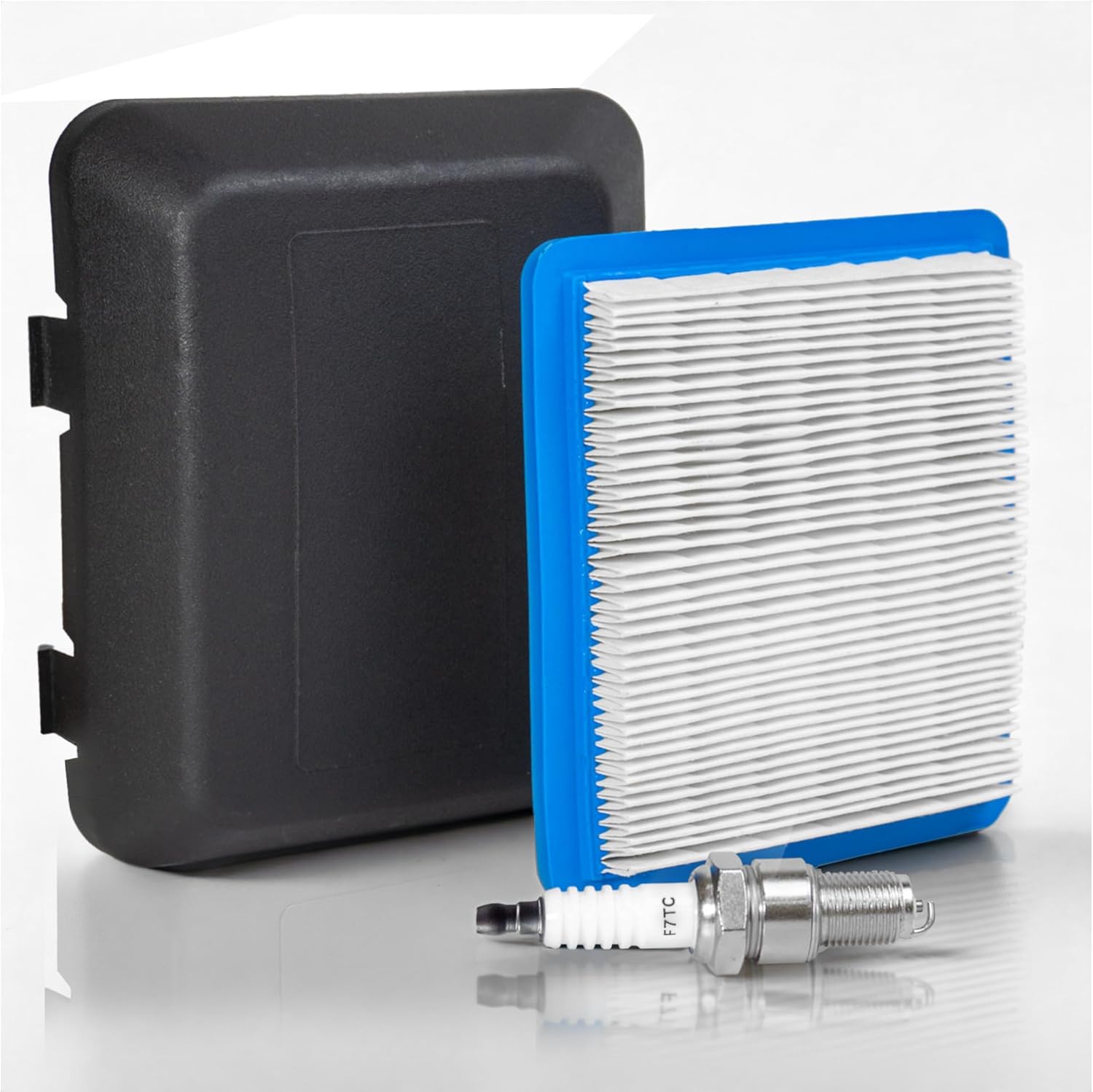
What to Look for When Buying Buying Guide
1. Compatibility with Honda HRX217
When shopping for an air filter for your Honda HRX217, the very first thing to verify is compatibility. The HRX217 uses a specific air filter designed for the GCV190 engine, and even minor deviations in size, shape, or mounting style can lead to improper sealing, air leaks, or restricted airflow. Using an incompatible filter may seem like a minor issue, but it can directly contribute to pressure imbalances in the fuel system, which in turn can cause gas to leak from the carburetor or fuel tank vent. Always check the part number—Honda’s OEM air filter for the HRX217 is typically part number 17210-Z0J-003 or 17210-Z0J-013, depending on the model year. Cross-reference this with any aftermarket filter you consider. A filter that doesn’t fit snugly in the air filter housing can allow unfiltered air to enter the engine, leading to premature wear, reduced performance, and increased risk of fuel system issues.
2. OEM vs. Aftermarket: Weighing the Options
One of the biggest decisions you’ll face is whether to go with an OEM (Original Equipment Manufacturer) filter from Honda or an aftermarket alternative. OEM filters are made by Honda or its licensed suppliers and are guaranteed to meet the exact specifications of your HRX217. They offer perfect fit, consistent performance, and are often recommended for mowers still under warranty. However, they tend to be more expensive. Aftermarket filters, on the other hand, are produced by third-party manufacturers and can offer significant cost savings. Many reputable brands like Briggs & Stratton, Stens, and Oregon produce high-quality filters that match or exceed OEM standards. The key is to choose aftermarket filters from trusted brands with strong reviews and clear compatibility listings. Avoid ultra-cheap, no-name filters—they often use inferior materials that degrade quickly, leading to poor filtration and potential engine damage.
3. Filter Material and Construction
The material and build quality of the air filter directly impact its performance and longevity. Most Honda HRX217 models use a dual-element air filter: a paper primary element and a foam pre-filter. The paper element captures fine dust and debris, while the foam layer traps larger particles and can be removed and cleaned periodically. When evaluating filters, look for high-density paper that resists tearing and maintains structural integrity under varying temperatures and humidity levels. The foam should be oil-resistant and durable, able to withstand repeated cleanings without breaking down. Some aftermarket filters use all-paper designs or low-quality foam that degrades quickly, leading to reduced airflow and increased engine strain. A well-constructed filter will not only protect your engine but also help maintain proper air-fuel ratios, reducing the risk of pressure buildup and gas leaks.
4. Performance and Airflow Efficiency
An air filter’s primary job is to allow clean air into the engine while blocking contaminants. However, it must do so without restricting airflow, which can lead to poor engine performance, reduced power, and inefficient fuel combustion. A clogged or overly restrictive filter forces the engine to work harder, potentially causing vacuum pressure that affects the fuel system and contributes to leaks. When choosing a filter, consider its airflow rating and filtration efficiency. High-quality filters strike a balance—offering excellent filtration without impeding airflow. Look for filters that mention “high-flow” or “low-restriction” design, especially if you mow in dusty conditions. Additionally, some performance-oriented filters are designed to enhance throttle response and fuel efficiency, which can be beneficial for frequent users. However, avoid filters marketed as “performance upgrades” unless they’re specifically compatible with the HRX217—some may alter airflow too much and disrupt the engine’s calibrated air-fuel mixture.
5. Ease of Maintenance and Cleaning
Regular maintenance is key to preventing air filter-related issues, so consider how easy the filter is to access, remove, and clean. The Honda HRX217 is designed with a tool-free air filter cover, making routine checks straightforward. However, some aftermarket filters may not fit as snugly or may require additional steps to secure properly. If your filter includes a reusable foam pre-filter, check whether it’s easy to remove and clean without damaging the material. Some filters come with cleaning instructions or even cleaning kits, which can extend the life of the filter and save money over time. For users who mow frequently or in dusty environments, a filter that’s easy to maintain can prevent buildup that leads to restricted airflow and fuel system pressure problems. Avoid filters that are difficult to access or require special tools—this can discourage regular maintenance and increase the risk of long-term issues.
6. Brand Reputation and Reliability
Not all air filter brands are created equal. While price is a factor, it’s important to prioritize reliability and reputation. Honda OEM filters are the gold standard, but several aftermarket brands have earned strong reputations for quality and consistency. Brands like Stens, Oregon, and Rotary are widely used by lawn care professionals and have extensive compatibility databases. Look for brands that offer detailed product descriptions, clear part number matching, and customer support. Avoid generic or unbranded filters sold in bulk packs—these often lack quality control and may not meet the specifications needed for your HRX217. Reading customer reviews can also provide insight into real-world performance. Pay attention to comments about fit, durability, and whether the filter resolved or contributed to fuel system issues. A reputable brand may cost a bit more upfront but can save you money and headaches in the long run by preventing engine damage and repeated replacements.
7. Warranty and Return Policy
Even the best filters can occasionally arrive damaged or defective, so it’s wise to choose a seller or brand that offers a solid warranty and return policy. OEM filters typically come with a limited warranty from Honda, often covering defects in materials or workmanship for a set period. Aftermarket brands may offer similar protections, sometimes even longer warranties than OEM. Before purchasing, check the return window—most reputable retailers allow 30 days or more for returns, especially if the item is unopened. This gives you time to inspect the filter and ensure it fits properly. If you’re buying online, make sure the seller has a clear return process and doesn’t charge restocking fees. A good warranty and return policy not only protect your investment but also reflect the manufacturer’s confidence in their product. If a company doesn’t stand behind its filter, it’s a red flag that the quality may be questionable.
8. Price vs. Value: Finding the Right Balance
While it’s tempting to go for the cheapest option, air filters are not an area to cut corners. A poorly made filter can cost you far more in the long run through reduced engine life, increased fuel consumption, and potential repair bills. That said, you don’t need to overspend either. The key is to find the best value—balancing price, quality, and performance. OEM filters typically range from $15 to $25, while reputable aftermarket options can be found for $8 to $18. Consider how often you use your mower: if you mow weekly during the season, investing in a high-quality filter is worthwhile. For occasional users, a mid-range aftermarket filter from a trusted brand may offer the best balance. Always compare prices across multiple retailers, and watch for bundle deals—some sellers offer air filters with oil, spark plugs, or maintenance kits at a discount. Remember, the goal isn’t just to save money, but to protect your engine and prevent issues like gas leaks.
Different Types of Buying Guide

Common Buying Mistakes to Avoid
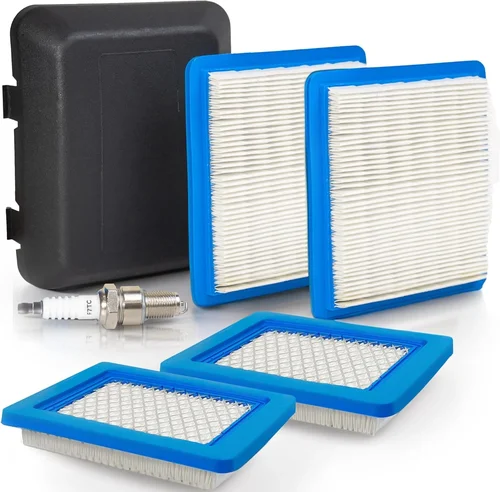
❌ Mistake: Buying Based Solely on Price
Why it’s bad: Choosing the cheapest air filter available might save you a few dollars upfront, but it can lead to bigger problems down the line. Low-cost, generic filters often use thin paper or poor-quality foam that tears easily or fails to trap fine particles. This can result in dirt entering the engine, increased wear, and even fuel system imbalances that contribute to gas leaks. In the worst cases, a degraded filter can disintegrate inside the airbox, causing blockages or engine damage.
What to do instead: Focus on value, not just price. Compare filters based on material quality, brand reputation, and compatibility. A mid-range aftermarket filter from a trusted brand often offers the best balance of cost and performance. Think of the air filter as an investment in your mower’s longevity.
❌ Mistake: Ignoring the Part Number
Why it’s bad: The Honda HRX217 uses a specific air filter design, and even small differences in size or shape can prevent a proper seal. Using a filter with the wrong part number may seem to fit, but it can leave gaps that allow unfiltered air to enter the engine. This not only reduces performance but can also create pressure differentials that affect the fuel system and lead to leaks.
What to do instead: Always verify the part number before purchasing. Honda’s OEM number for the HRX217 is typically 17210-Z0J-003 or 17210-Z0J-013. Cross-check this with the product description, and if buying aftermarket, ensure the listing explicitly states compatibility with the HRX217 or GCV190 engine.
❌ Mistake: Overlooking the Pre-Filter
Why it’s bad: Many HRX217 models use a dual-element system with a paper main filter and a foam pre-filter. Some buyers replace only the paper element and forget the foam layer, or purchase a filter that doesn’t include it. This reduces overall filtration efficiency and forces the main filter to capture larger debris, shortening its lifespan and increasing the risk of clogging.
What to do instead: Always replace both the paper and foam elements together, or choose a complete filter assembly that includes both. If your current filter has a removable foam pre-filter, clean it regularly with mild soap and water, and replace it if it shows signs of wear or degradation.
❌ Mistake: Buying from Unreliable Sellers
Why it’s bad: Purchasing from unknown online sellers or discount stores can result in receiving counterfeit, damaged, or incorrect parts. These filters may look similar to OEM but are made with inferior materials or incorrect dimensions. They often lack proper packaging, documentation, or return options, leaving you with no recourse if the product fails.
What to do instead: Buy from authorized Honda dealers, reputable outdoor power equipment retailers, or well-known online marketplaces with strong seller ratings. Look for sellers with clear return policies, customer reviews, and detailed product descriptions.
❌ Mistake: Not Checking Return Policies
Why it’s bad: Even with careful research, sometimes a filter doesn’t fit as expected or arrives defective. If you can’t return it, you’re stuck with a useless part. Some sellers charge high restocking fees or only accept returns within a very short window, making it difficult to test the product.
What to do instead: Always review the return policy before purchasing. Choose sellers that offer at least a 30-day return window, free return shipping, and no restocking fees. This gives you time to install and test the filter, ensuring it fits properly and functions as expected.
❌ Mistake: Assuming All Aftermarket Filters Are Equal
Why it’s bad: The aftermarket is flooded with filters of varying quality. Some are excellent, while others are little more than cardboard and glue. Assuming that any aftermarket filter will work can lead to poor performance, engine damage, and recurring issues like gas leaks.
What to do instead: Stick to well-known brands with positive reviews and clear compatibility information. Research the manufacturer, read customer feedback, and look for filters that mention “meets or exceeds OEM specifications.” Avoid no-name products sold in bulk or with vague descriptions.
❌ Mistake: Delaying Replacement
Why it’s bad: A clogged or dirty air filter restricts airflow, causing the engine to run rich (too much fuel, not enough air). This can lead to carbon buildup, poor fuel economy, and increased pressure in the fuel system—contributing to leaks. Waiting too long to replace the filter exacerbates these issues and can cause long-term damage.
What to do instead: Replace the air filter at least once per mowing season, or more often if you mow in dusty conditions. Check it monthly during peak use. If the paper element is dark, torn, or the foam is brittle, replace it immediately.
Budget Guidelines: How Much Should You Spend?
When it comes to air filters for the Honda HRX217, your budget should reflect how much you rely on your mower and how seriously you take maintenance. Here’s a breakdown of what to expect at different price points:
- Entry-Level ($5 – $10): These are typically generic or universal-fit paper filters. While they may fit in a pinch, they often lack the precise dimensions and material quality needed for the HRX217. They’re best suited for emergency replacements or very occasional use. Expect shorter lifespan and potential performance issues.
- Mid-Range ($10 – $18): This is the sweet spot for most homeowners. Filters in this range are usually from reputable aftermarket brands like Stens or Oregon. They offer excellent compatibility, good materials, and reliable performance. Many include both paper and foam elements and are designed to meet OEM standards. This tier offers the best balance of cost and quality.
- Premium ($18 – $25): These are typically OEM Honda filters or high-end aftermarket equivalents. They provide exact fit, superior filtration, and long-term durability. Ideal for users who want peace of mind, are still under warranty, or mow frequently. The added cost is justified by reliability and performance.
- Luxury ($25+): At this level, you’re likely looking at reusable foam filters or performance-oriented designs. These are washable, long-lasting, and great for dusty environments. While more expensive upfront, they can save money over time by eliminating the need for frequent replacements. Best for enthusiasts or professional users.
Expert Tips for Getting the Best Deal
- Shop During Off-Season: Retailers often discount lawn mower parts in late fall and winter. Buying your air filter during these months can save you 10–20% compared to spring and summer prices.
- Use Price Comparison Tools: Websites like Google Shopping or PriceGrabber allow you to compare prices across multiple retailers instantly. Set up alerts for price drops on specific filters.
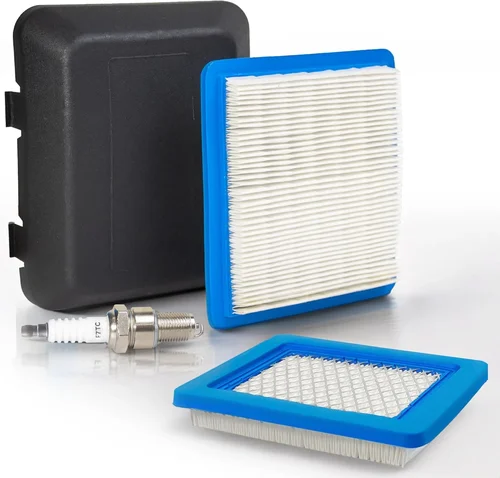
- Check for Bundles: Many sellers offer maintenance kits that include air filters, oil, spark plugs, and fuel stabilizer. These bundles can offer significant savings—sometimes up to 30% off individual items.
- Buy Direct from Honda: Honda’s official parts website often runs promotions and offers free shipping on orders over a certain amount. You’ll also get guaranteed OEM quality and accurate part matching.
- Read Return Policies Carefully: Even the best deals aren’t worth it if you can’t return the product. Make sure the seller allows returns for fit issues or defects, and check for restocking fees.
- Inspect Upon Arrival: When your filter arrives, check the packaging, part number, and physical condition. If anything looks off, contact the seller immediately. Don’t wait until you need to use it.
- Consider Local Dealers: Authorized Honda dealers often price-match online retailers and may offer free installation advice or maintenance tips. Supporting local businesses can also lead to better customer service.
- Join Loyalty Programs: Retailers like Home Depot, Lowe’s, and Tractor Supply offer loyalty programs that provide discounts, early access to sales, and reward points on purchases.

Frequently Asked Questions
Q: Can a bad air filter cause gas to leak from my Honda HRX217?
A: Yes, indirectly. A clogged or improperly installed air filter can restrict airflow, causing a vacuum effect in the engine. This can disrupt the fuel system’s pressure balance, leading to fuel being pushed out through the carburetor or fuel tank vent—resulting in visible gas leaks. Replacing the air filter with the correct, high-quality model can help resolve this issue.
Q: How often should I replace the air filter on my HRX217?
A: Honda recommends replacing the air filter at least once per mowing season. If you mow in dusty or dry conditions, check it monthly and replace it as soon as it appears dirty or clogged. A clean filter ensures proper airflow and prevents fuel system problems.
Q: Can I clean and reuse the paper air filter?
A: No, the paper element should not be cleaned. It’s designed for single use. However, the foam pre-filter (if your model has one) can be gently washed with mild soap and water, then air-dried completely before reinstallation.
Q: Are aftermarket air filters safe to use on a Honda HRX217?
A: Yes, as long as they are from a reputable brand and explicitly compatible with the HRX217 or GCV190 engine. Look for filters that meet or exceed OEM specifications and have positive customer reviews.
Q: What’s the difference between part numbers 17210-Z0J-003 and 17210-Z0J-013?
A: These are both valid OEM air filter part numbers for the Honda HRX217, with minor design updates over the years. Either should work, but it’s best to match the number on your current filter to ensure compatibility.
Q: Where can I buy a genuine Honda air filter?
A: Genuine Honda filters are available through authorized Honda dealers, the official Honda Parts website, and select online retailers like Amazon (sold by Honda or authorized sellers). Always verify the seller’s authenticity to avoid counterfeit parts.
Q: Can I use a universal air filter on my HRX217?
A: It’s not recommended. Universal filters rarely provide a perfect seal, which can lead to air leaks, poor performance, and fuel system issues. Always use a filter specifically designed for your model.
Q: How do I know if my air filter is causing a gas leak?
A: If you notice gas pooling near the carburetor or fuel tank, and the engine runs poorly or stalls, a clogged or faulty air filter could be the culprit. Replace the filter and monitor for leaks. If the problem persists, inspect the carburetor, fuel lines, and tank vent.
Q: Is it worth paying more for an OEM filter?
A: If your mower is under warranty or you prioritize long-term reliability, yes. OEM filters offer guaranteed fit and performance. For most users, however, a high-quality aftermarket filter provides excellent value and comparable performance.
Q: Can I install the air filter myself?
A: Absolutely. The HRX217 is designed for easy maintenance. Simply remove the air filter cover (no tools required), take out the old filter, insert the new one, and reattach the cover. Always refer to your owner’s manual for detailed instructions.
Our Final Recommendations
- Best for Budget-Conscious Buyers: Stens 135-194 Air Filter – At around $12, this aftermarket filter offers excellent compatibility, dual-element design, and reliable performance. It’s a top choice for homeowners who want quality without the OEM price tag.
- Best Overall Value: Oregon 36-028 Air Filter – Priced at $14–$16, this filter is known for its durable construction, precise fit, and high filtration efficiency. It’s a favorite among lawn care professionals and DIYers alike.
- Best Premium Option: Honda Genuine 17210-Z0J-003 Air Filter – For those who want guaranteed performance and peace of mind, the OEM filter is the way to go. It’s the exact part designed for your HRX217 and ensures optimal engine protection.
- Best for Beginners: Rotary 13519 Air Filter – Easy to install, clearly labeled, and widely available, this filter is perfect for first-time buyers. It comes with detailed instructions and fits securely without modification.
- Best for Advanced Users: K&N Small Engine Air Filter (if compatible) – For those willing to verify fitment, K&N offers reusable, high-flow filters that can be cleaned and reused for years. Ideal for frequent mowers in dusty environments.
Conclusion: Making the Right Choice
Choosing the right air filter for your Honda HRX217 isn’t just about replacing a part—it’s about protecting your investment, ensuring reliable performance, and preventing issues like gas leaks. As we’ve covered, the air filter plays a critical role in maintaining proper airflow and fuel system balance, and using the wrong one can lead to bigger problems down the road. By prioritizing compatibility, quality, and value, you can keep your mower running smoothly season after season.
Remember, the cheapest option isn’t always the best, and the most expensive isn’t always necessary. For most homeowners, a mid-range aftermarket filter from a trusted brand offers the ideal balance of performance and affordability. If you’re still under warranty or want absolute certainty, go with OEM. And no matter what you choose, make regular maintenance a habit—check your filter monthly, replace it annually, and keep an eye out for signs of wear or leaks.
Armed with the knowledge from this guide, you’re now ready to shop with confidence. Whether you’re ordering online, visiting a local dealer, or picking up a replacement during your next hardware store run, you’ll know exactly what to look for. Don’t let a simple part like an air filter turn into a major repair. Take action today, choose wisely, and enjoy a leak-free, high-performing Honda HRX217 for years to come.