
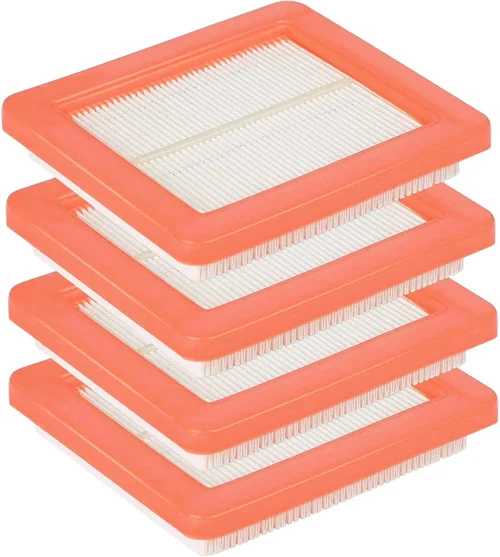
When it comes to maintaining your Honda HRX217 lawn mower, few components are as critical—and often overlooked—as the air filter. This small but mighty part plays a vital role in protecting your engine from dust, grass clippings, dirt, and other airborne contaminants that can cause premature wear, reduce performance, and even lead to costly repairs. Whether you’re a weekend warrior keeping your suburban lawn pristine or a property manager handling acres of grass, ensuring your HRX217 is running with a clean, high-quality air filter is essential for longevity and efficiency.
But with so many options on the market—ranging from OEM (Original Equipment Manufacturer) parts to aftermarket alternatives—it’s easy to feel overwhelmed. How do you know which air filter is right for your mower? What should you look for in terms of compatibility, durability, and performance? And where can you buy a reliable replacement without overpaying or falling victim to counterfeit products? This comprehensive buying guide is designed to answer all those questions and more. We’ll walk you through everything you need to know to make an informed decision, from understanding key specifications to avoiding common pitfalls and finding the best deals.
By the end of this guide, you’ll have a clear roadmap for selecting the ideal air filter for your Honda HRX217. You’ll learn how to evaluate price versus quality, distinguish between different types of filters, understand compatibility requirements, and identify trusted retailers—both online and in-store. We’ll also share expert tips on maintenance schedules, seasonal considerations, and how to extend the life of your filter between replacements. Whether you’re replacing a clogged filter for the first time or upgrading to a premium option for enhanced performance, this guide will empower you to choose wisely and keep your mower running smoothly season after season.
The market for lawn mower air filters is surprisingly diverse. On one end, you’ll find ultra-low-cost generic filters that may fit physically but lack the filtration efficiency or durability needed for consistent performance. On the other, premium OEM and performance-grade filters offer superior materials, better airflow, and longer service life—but at a higher price point. In between lies a range of reputable aftermarket brands that strike a balance between cost and quality. Navigating this landscape requires more than just matching part numbers; it demands an understanding of how air filtration impacts engine health, fuel efficiency, and overall mower performance. With the HRX217’s powerful 190cc Honda GCV engine, using the wrong filter can lead to increased emissions, reduced power, and even engine damage over time. That’s why choosing wisely isn’t just about convenience—it’s about protecting your investment.

What to Look for When Buying Buying Guide
1. Compatibility with Honda HRX217
The most fundamental factor when purchasing an air filter for your Honda HRX217 is ensuring it’s compatible with your specific model. The HRX217 uses a unique air filtration system designed to handle heavy debris loads while maintaining optimal airflow for its GCV190 engine. Using an incompatible filter—even if it fits loosely—can result in poor sealing, unfiltered air entering the engine, and accelerated wear.
Always verify the part number before buying. The genuine Honda air filter for the HRX217 is part number 17210-PLWA-000 or 17210-PLWA-010 (a later revision). These numbers are typically stamped on the original filter housing or listed in your owner’s manual. Cross-referencing this number with the product listing is non-negotiable. Some aftermarket brands may list “fits Honda HRX217” but use slightly different dimensions or materials that compromise performance. Always double-check dimensions: the standard HRX217 filter is approximately 4.5 inches long, 3.25 inches wide, and 1.25 inches thick, with a specific pleated paper design.
2. Filter Material and Construction
Air filters for lawn mowers come in two primary materials: paper (cellulose) and foam. The Honda HRX217 uses a high-efficiency pleated paper filter as standard, which offers excellent filtration down to 10–20 microns—small enough to capture fine dust and pollen without restricting airflow excessively.
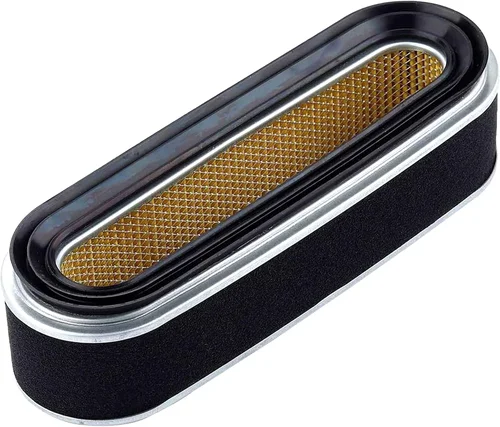
Paper filters are generally preferred for their superior dirt-holding capacity and consistent performance in dry to moderately dusty conditions. They’re also disposable, making replacement quick and mess-free. Foam filters, while reusable and washable, are less common on the HRX217 and typically found on older or commercial-grade mowers. While some aftermarket kits offer foam upgrades, they often require oiling and more frequent maintenance, which may not be ideal for casual users.
When evaluating construction, look for filters with sturdy frames (usually plastic or reinforced cardboard), tightly bonded pleats, and a rubber or synthetic gasket around the edge to ensure a tight seal in the housing. Cheap filters may have loose pleats, weak seals, or flimsy frames that warp under heat, leading to air bypass.
3. Filtration Efficiency and Engine Protection
Your mower’s engine relies on clean air to combust fuel efficiently. Contaminants like silica dust, grass particles, and pollen can abrade cylinder walls, clog fuel systems, and degrade spark plugs. A high-quality air filter acts as the first line of defense.
Filtration efficiency is measured by how well a filter captures particles of varying sizes. OEM Honda filters are engineered to meet strict OEM standards, typically filtering 99% of particles above 20 microns. Some premium aftermarket filters (like those from K&N or Stens) claim even higher efficiency, but real-world gains may be marginal unless you operate in extremely dusty environments.
More important than marketing claims is consistent performance over time. A filter that starts strong but clogs quickly or degrades after a few uses offers little value. Look for reviews mentioning longevity and real-world dirt-holding capacity. Also, avoid “high-flow” filters that sacrifice filtration for airflow—these can actually increase engine wear in dirty conditions.
4. Budget & Price Range
Air filters for the Honda HRX217 range from under $5 for generic paper filters to over $25 for OEM or premium aftermarket options. While it’s tempting to go for the cheapest option, remember that this component directly impacts engine life—a $10 filter could save you hundreds in repair costs down the line.
Entry-level filters ($5–$8) are often made with lower-grade paper and minimal sealing gaskets. They may fit but won’t last as long or protect as effectively. Mid-range options ($10–$15) from reputable aftermarket brands (e.g., Stens, Oregon, or Rotary) offer good value, with decent materials and reliable performance. OEM Honda filters ($18–$25) are the gold standard, offering exact fit, proven durability, and full warranty coverage.
Consider your usage frequency and environment. If you mow weekly in a dusty yard, investing in an OEM or high-capacity aftermarket filter makes sense. For occasional use in clean conditions, a mid-range filter may suffice.
5. Brand Reputation and Reliability
Not all aftermarket brands are created equal. Stick with companies known for outdoor power equipment parts. Honda OEM parts are always a safe bet, but trusted aftermarket brands like Stens, Oregon, Rotary, and MaxPower have strong track records for compatibility and quality.
Avoid unknown brands sold exclusively through third-party marketplaces (e.g., random Amazon sellers with no reviews or contact info). These often sell counterfeit or substandard filters that may look similar but fail prematurely. Check for certifications, customer service availability, and return policies. Brands with U.S.-based support teams tend to be more reliable.
User forums like LawnSite or Reddit’s r/lawncare often feature real-user experiences with specific filters. A filter with consistent positive feedback across multiple platforms is likely a solid choice.
6. Ease of Replacement and Maintenance
One advantage of the HRX217 is its tool-free air filter access—simply lift the cover, remove the old filter, and insert the new one. However, some aftermarket filters may be slightly oversized or undersized, making installation tricky.
Look for filters that match the original’s dimensions exactly. A filter that’s too tight can tear the gasket; one that’s too loose won’t seal properly. Also, consider whether the filter is labeled for orientation (some have “TOP” markings)—installing it upside down can reduce efficiency.
If you’re considering a reusable foam filter (not recommended for standard HRX217 use), factor in the time and effort required for cleaning and re-oiling. Most homeowners find disposable paper filters more convenient.
7. Warranty and Return Policy
A good warranty reflects manufacturer confidence in their product. OEM Honda filters typically come with a 1-year limited warranty against defects. Reputable aftermarket brands often offer 6–12 months.
Check the retailer’s return policy as well. If a filter doesn’t fit or perform as expected, you should be able to return it within a reasonable window (30 days is standard). Avoid sellers with “all sales final” policies unless they’re highly rated and trusted.
8. Environmental and Usage Conditions
Your mowing environment significantly influences filter choice. If you regularly mow dry, dusty fields or sandy soil, you’ll need a filter with higher dirt-holding capacity and possibly more frequent replacement intervals. In humid or grassy areas, moisture resistance becomes important—some low-quality papers can degrade when wet.
Seasonality also matters. Spring and fall mowing often involve more debris and pollen, increasing filter load. Consider keeping a spare filter on hand during peak seasons. Some users even mark their filters with installation dates to track usage.
Different Types of Buying Guide

Common Buying Mistakes to Avoid
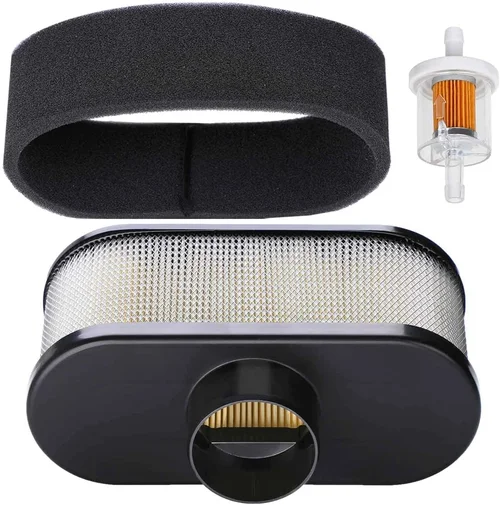
❌ Mistake: Ignoring the Part Number
Why it’s bad: Many buyers assume “fits Honda” means universal compatibility. However, Honda has produced multiple HRX models (HRX217HYA, HRX217VXA, etc.), and filters may vary slightly. Using the wrong part number can lead to poor fitment and engine damage.
What to do instead: Always confirm your exact model number (found on the mower’s serial plate) and cross-reference with the filter’s compatibility list. When in doubt, consult your owner’s manual or a Honda dealer.
❌ Mistake: Choosing Based Solely on Price
Why it’s bad: The cheapest filter may save you $5 today but cost $200 in engine repairs tomorrow. Low-quality filters often have inferior paper that tears easily or gaskets that crack, allowing unfiltered air into the engine.
What to do instead: View the air filter as an investment in engine longevity. Spend a little more for a reputable brand—it pays dividends in reliability and reduced maintenance.
❌ Mistake: Buying from Unverified Online Sellers
Why it’s bad: Counterfeit filters are rampant on e-commerce platforms. These may look identical to OEM parts but use substandard materials that fail quickly.
What to do instead: Purchase from authorized dealers, reputable outdoor power equipment retailers, or directly from Honda. Check seller ratings, read recent reviews, and avoid listings with stock photos only.
❌ Mistake: Overlooking Maintenance Schedule
Why it’s bad: Even the best filter won’t last forever. Neglecting regular inspection and replacement leads to restricted airflow, reduced power, and increased fuel consumption.
What to do instead: Check your filter every 25 hours of use or monthly during mowing season. Replace it at least once per year—or more often in dusty conditions.
❌ Mistake: Assuming All Aftermarket Filters Are Equal
Why it’s bad: The aftermarket is flooded with inconsistent quality. Some brands cut corners on materials, while others exaggerate performance claims.
What to do instead: Stick with established names like Stens, Oregon, or Rotary. Read user reviews focused on fit, durability, and real-world performance—not just star ratings.
❌ Mistake: Installing a Dirty or Damaged Filter
Why it’s bad: Reusing a clogged filter or installing one with visible tears defeats the purpose of filtration and strains the engine.
What to do instead: Always inspect the new filter before installation. If it arrives damaged, return it immediately. Never clean and reuse a paper filter—it’s designed for single use.
❌ Mistake: Not Keeping a Spare
Why it’s bad: A clogged filter can leave you unable to mow at the worst possible time—like right before a big event or during peak grass growth.
What to do instead: Keep at least one spare filter in your garage or tool shed. Mark it with the purchase date so you know when to replace it next.
Budget Guidelines: How Much Should You Spend?
– Entry-Level ($5–$8): Suitable for very light, occasional use in clean environments. Expect shorter lifespan and potential fit issues. Best for emergency replacements only.
– Mid-Range ($10–$15): The sweet spot for most homeowners. Offers reliable performance, decent materials, and good value. Ideal for weekly mowing in typical suburban conditions.
– Premium ($18–$25): Recommended for frequent use, dusty areas, or those who prioritize engine protection. OEM Honda filters fall here, as do top-tier aftermarket options with enhanced filtration.
– Luxury ($25+): Includes high-flow performance filters or specialized reusable systems. Only necessary for enthusiasts or commercial users with specific performance or environmental goals.
Expert Tips for Getting the Best Deal
– Buy During Off-Season: Retailers often discount lawn equipment parts in late fall and winter. Stock up when demand is low.
– Check Honda Dealer Promotions: Authorized Honda dealers sometimes run seasonal sales or offer loyalty discounts. Sign up for their newsletters.
– Use Price Tracking Tools: Websites like Honey or CamelCamelCamel (for Amazon) alert you when prices drop on specific filters.
– Compare Total Cost: Factor in shipping, taxes, and return fees. Sometimes a slightly higher-priced item with free shipping is cheaper overall.
– Read the Fine Print: Ensure the filter is new, not refurbished or “open box.” Some sellers mislabel used items as new.
– Verify Return Window: Choose retailers with at least a 30-day return policy. This gives you time to test fit and performance.
– Join Owner Forums: Communities like HRX217-specific groups often share exclusive discount codes or group-buy opportunities.
– Consider Local Pickup: If you have a nearby dealer or hardware store, picking up in person avoids shipping delays and lets you inspect the product immediately.

Frequently Asked Questions
Q: How often should I replace the air filter on my Honda HRX217?
A: Honda recommends inspecting the air filter every 25 hours of operation and replacing it at least once per mowing season. In dusty or heavy-use conditions, replace it every 10–15 hours. A clogged filter reduces engine efficiency and can cause hard starting or stalling.
Q: Can I clean and reuse the paper air filter?
A: No. Paper filters are designed for single use. Attempting to clean them with compressed air or water damages the delicate fibers and compromises filtration. Always replace with a new filter.
Q: Will a high-flow air filter increase my mower’s power?
A: Possibly—but only marginally, and often at the expense of filtration. Unless you’re operating in a controlled, clean environment, the risk of engine contamination outweighs any minor power gain. Stick with OEM-spec filters for balanced performance.
Q: Are aftermarket filters safe to use?
A: Yes, if they’re from reputable brands and match OEM specifications. Avoid no-name filters sold by unverified sellers. Look for filters that list exact part number compatibility and have positive user reviews.
Q: What happens if I run my mower without an air filter?
A: Never operate your HRX217 without an air filter. Unfiltered air allows abrasive particles to enter the engine, causing rapid wear to cylinders, pistons, and valves. This can lead to catastrophic engine failure and void your warranty.
Q: How do I know if my air filter is clogged?
A: Signs include difficulty starting, reduced cutting power, black smoke from the exhaust, or excessive fuel consumption. Visually inspect the filter—if it’s dark, brittle, or covered in debris, it’s time to replace it.
Q: Can I use a filter from a different Honda mower model?
A: Generally, no. While some Honda models share similar engines, air filter dimensions and sealing requirements vary. Always use the correct part number for your HRX217.
Q: Where is the best place to buy an air filter for the HRX217?
A: Authorized Honda dealers, reputable online retailers (e.g., Jack’s Small Engines, Mowers Direct, Amazon sold by verified sellers), and local outdoor power equipment stores are all reliable sources. Avoid big-box stores that may carry low-quality generics.
Q: Does the air filter affect fuel efficiency?
A: Yes. A clean filter ensures optimal air-fuel mixture, improving combustion efficiency. A clogged filter forces the engine to work harder, increasing fuel consumption by up to 10%.
Q: What’s the difference between part numbers 17210-PLWA-000 and 17210-PLWA-010?
A: The “010” is a minor revision of the original “000” filter, with slight improvements in material or construction. Both are compatible with the HRX217 and interchangeable.
Our Final Recommendations
– Best for Budget-Conscious Buyers: Stens 135-617 Air Filter – At around $12, it offers solid construction, exact fit, and reliable performance from a trusted aftermarket brand.
– Best Overall Value: Oregon 36-028 Air Filter – Priced at $13–$15, this filter matches OEM quality at a lower cost and is widely praised for durability and fit.
– Best Premium Option: Genuine Honda 17210-PLWA-010 Air Filter – For those who want guaranteed compatibility, maximum engine protection, and full warranty support, the OEM filter is unbeatable.
– Best for Beginners: Rotary 25-13478 Air Filter – Easy to install, clearly labeled, and comes with helpful installation tips. Great for first-time replacers.
– Best for Advanced Users: K&N RC-1043 Air Filter – A reusable, high-flow option for those willing to maintain it properly. Requires oiling and cleaning but offers long-term savings and slight performance gains.
Conclusion: Making the Right Choice
Choosing the right air filter for your Honda HRX217 isn’t just about swapping out a part—it’s about safeguarding your mower’s heart: the engine. From ensuring exact compatibility to balancing budget with quality, every decision you make impacts performance, longevity, and peace of mind. We’ve covered the essentials: why compatibility matters, how material and construction affect protection, what price tiers deliver real value, and where to shop with confidence.
Remember, the air filter is one of the simplest yet most impactful maintenance items on your mower. Skimping on quality or ignoring replacement schedules can lead to avoidable repairs and downtime. By following this guide—prioritizing reputable brands, verifying part numbers, and staying proactive with inspections—you’ll keep your HRX217 running like new for years to come.
Don’t wait until your mower sputters to action. Take a few minutes today to check your current filter, order a high-quality replacement, and store a spare for emergencies. Your lawn—and your wallet—will thank you. Whether you choose OEM reliability, aftermarket value, or a performance upgrade, the key is informed decision-making. Now that you have the knowledge, make the choice that best fits your needs, environment, and usage patterns. Happy mowing!