
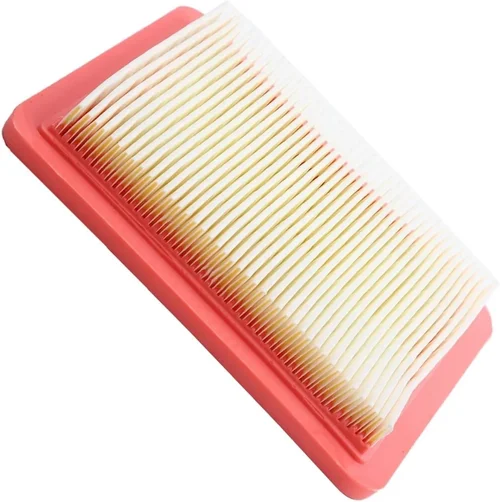
If your Honda HRX217 mower is bogging down during operation—especially under load or when cutting thick grass—you’re not alone. This frustrating issue often stems from a clogged, dirty, or incompatible air filter that restricts airflow to the engine. The air filter plays a critical role in maintaining the optimal air-fuel mixture, and when it fails, performance drops, fuel efficiency suffers, and in severe cases, engine damage can occur. Replacing or upgrading your air filter might seem like a small fix, but it’s one of the most impactful maintenance steps you can take to restore your mower’s power and reliability.
This comprehensive buying guide is designed to help you navigate the often-confusing world of air filters for the Honda HRX217. Whether you’re a first-time buyer, a seasoned DIYer, or a landscaping professional who relies on this mower daily, we’ll walk you through everything you need to know—from understanding why your mower is bogging down to choosing the right filter, where to buy it, and how to avoid common pitfalls. We’ll break down technical specs, compare filter types, analyze pricing tiers, and share expert tips to ensure you make a smart, informed decision that keeps your HRX217 running smoothly season after season.
The market for small engine air filters is crowded with options ranging from OEM (Original Equipment Manufacturer) parts to third-party alternatives, reusable foam filters, and even performance upgrades. With so many choices, it’s easy to overspend on unnecessary features or end up with a low-quality filter that doesn’t fit properly or fails prematurely. Our goal is to cut through the noise and give you a clear, actionable roadmap to find the best air filter for your specific needs—whether you’re looking for affordability, durability, ease of maintenance, or maximum engine performance. By the end of this guide, you’ll know exactly what to look for, where to shop, and how to get the most value from your purchase.

What to Look for When Buying Buying Guide
1. Compatibility with Honda HRX217
The most important factor when buying an air filter for your Honda HRX217 is ensuring it’s fully compatible with your mower model. The HRX217 uses a specific air filtration system designed for its GCV190 engine, and using an incompatible filter can lead to poor fitment, air leaks, or even engine damage. Always verify that the filter you’re considering is listed as compatible with the Honda HRX217 and the GCV190 engine. Check the product description, packaging, or manufacturer’s website for confirmation. Some filters are labeled as “universal” but may not provide the precise dimensions or sealing required for optimal performance. A poorly fitting filter allows unfiltered air to bypass the system, introducing dirt and debris directly into the engine, which accelerates wear and can cause the bogging issues you’re trying to fix.
2. Filter Material and Construction
The material used in the air filter directly impacts its filtration efficiency, durability, and maintenance requirements. Most Honda HRX217 air filters are made from either pleated paper (OEM standard) or foam (often used in reusable or performance filters). Pleated paper filters offer excellent filtration for fine particles and are highly effective at trapping dust and debris, but they are disposable and must be replaced regularly. Foam filters, on the other hand, are often reusable—cleanable with soap and water or a specialized cleaner—and can last for years with proper care. However, they may not filter as finely as paper and can degrade over time if not maintained correctly. Some aftermarket filters use a hybrid design, combining foam pre-filters with paper elements for enhanced performance. Consider your usage frequency and environment: if you mow in dusty conditions, a high-efficiency paper filter might be best; if you prefer low maintenance, a quality reusable foam filter could be ideal.
3. Filtration Efficiency and Engine Protection
An air filter’s primary job is to prevent contaminants from entering the engine while allowing sufficient airflow for combustion. A filter with poor filtration efficiency lets in dirt, grass clippings, and debris, which can clog the carburetor, foul spark plugs, and wear down internal engine components. This contamination is a common cause of engine bogging, hesitation, and reduced power. Look for filters that meet or exceed OEM filtration standards. High-quality filters will capture particles as small as 10–20 microns, which is critical for protecting the GCV190 engine’s precision components. Some premium filters also feature multi-stage filtration, with a coarse outer layer to catch large debris and a fine inner layer for smaller particles. While higher filtration is generally better, be cautious of filters that are too restrictive—they can limit airflow and cause the engine to run rich, leading to poor performance and increased fuel consumption.
4. Ease of Maintenance and Replacement
How often you mow and the conditions you mow in will determine how frequently your air filter needs attention. Disposable paper filters typically require replacement every 25–50 hours of use, or at least once per mowing season. Reusable foam filters can be cleaned and reused multiple times, but they demand more hands-on maintenance. Consider your willingness to perform regular upkeep: if you prefer a “set it and forget it” approach, a high-quality paper filter replaced annually may suit you. If you’re comfortable with periodic cleaning and want to reduce long-term costs, a reusable foam filter is a smart investment. Also, evaluate how easy it is to access and replace the filter on your HRX217. The stock air filter housing is relatively accessible, but some aftermarket designs may complicate removal or require tools. Choose a filter that balances performance with practicality for your routine.
5. Brand Reputation and Reliability
Not all air filters are created equal, and brand reputation matters when it comes to quality and consistency. Honda OEM filters are engineered specifically for the HRX217 and are guaranteed to meet performance and durability standards. However, they can be more expensive than aftermarket alternatives. Reputable third-party brands like Briggs & Stratton, Stens, Oregon, and K&N (for performance foam filters) have established track records for producing reliable, high-quality filters that often match or exceed OEM specs at a lower price. Avoid generic or no-name brands sold in bulk packs or on unverified online marketplaces—these often use inferior materials and may not fit properly. Reading customer reviews and checking for certifications (like ISO standards) can help you identify trustworthy manufacturers. A well-known brand also typically offers better customer support and warranty coverage.
6. Price and Value for Money
Air filters for the Honda HRX217 range in price from under $5 for basic paper filters to $25 or more for premium reusable foam or performance models. While it’s tempting to go for the cheapest option, remember that the air filter is a critical engine component—skimping here can lead to costly repairs down the line. A $6 paper filter that needs replacement every season may cost more over time than a $20 reusable foam filter that lasts 3–5 years. Consider the total cost of ownership, including replacement frequency, cleaning supplies (for foam filters), and potential engine damage from poor filtration. Mid-range filters ($10–$15) often offer the best balance of quality, performance, and affordability. Look for filters that provide clear value—durable construction, good reviews, and compatibility—without unnecessary markup.
7. Warranty and Return Policy
A solid warranty or return policy is a strong indicator of a manufacturer’s confidence in their product. Most reputable brands offer at least a 1-year warranty on air filters, covering defects in materials or workmanship. Some premium filters come with longer warranties or satisfaction guarantees. This is especially important when buying online, where you can’t inspect the product before purchase. Check the seller’s return policy—can you return the filter if it doesn’t fit or perform as expected? Many online retailers, including Amazon, Home Depot, and Lowe’s, offer hassle-free returns within 30 days. OEM filters purchased directly from Honda or authorized dealers often come with stronger support and warranty terms. Avoid sellers with strict “no returns” policies or unclear warranty information, as this increases your risk if the product is defective or incompatible.
8. Environmental Conditions and Usage Patterns
Your local environment and mowing habits play a significant role in determining the best air filter for your HRX217. If you mow in dry, dusty areas—such as clay-heavy soil or arid climates—your filter will clog faster and require more frequent attention. In these conditions, a high-efficiency paper filter or a reusable foam filter with a pre-filter sock may be ideal. Conversely, if you mow in wet or humid conditions, moisture can saturate paper filters, reducing their effectiveness and potentially causing mold or mildew. Foam filters handle moisture better but may trap water if not dried properly. Additionally, if you use your mower frequently (e.g., weekly during peak season), a durable, long-lasting filter is worth the investment. Occasional users might prioritize low cost and simplicity. Match your filter choice to your real-world usage to maximize performance and longevity.
Different Types of Buying Guide
Common Buying Mistakes to Avoid
❌ Mistake: Buying the Cheapest Filter Available
Why it’s bad: The lowest-priced filters are often made from thin, low-quality paper or foam that tears easily, fits poorly, or fails to trap fine particles. This can lead to engine contamination, reduced performance, and the very bogging issues you’re trying to fix. In the long run, frequent replacements and potential engine damage outweigh the initial savings.
What to do instead: Invest in a mid-range filter from a reputable brand. Look for filters that balance cost with quality—typically in the $10–$15 range. These offer better materials, tighter seals, and longer service life, providing better value over time.
❌ Mistake: Ignoring Compatibility
Why it’s bad: Using a filter not designed for the Honda HRX217 can result in improper fitment, air leaks, or restricted airflow. Even small deviations in size or shape can compromise the air-fuel mixture, causing the engine to run poorly or overheat.
What to do instead: Always verify compatibility by checking the OEM part number (17210-Z0Y-003 or 17210-Z0Y-013) or confirming the product listing explicitly states it fits the HRX217 and GCV190 engine. When in doubt, consult Honda’s official parts catalog or contact the seller.
❌ Mistake: Overlooking Maintenance Requirements
Why it’s bad: Choosing a reusable foam filter without understanding the cleaning process can lead to neglect. Dirty or improperly cleaned foam filters restrict airflow and lose filtration efficiency, defeating the purpose of the upgrade.
What to do instead: If you choose a reusable filter, commit to a maintenance schedule. Clean it every 10–15 hours of use or at the start of each mowing season. Use mild soap and water, let it dry completely, and re-oil if required (for performance filters like K&N).
❌ Mistake: Buying Based Solely on Brand Name
Why it’s bad: While brand reputation matters, some premium brands charge a high markup for minimal performance gains. Conversely, lesser-known brands may offer excellent value if they meet OEM specs.
What to do instead: Research specific models and read customer reviews. Look for filters that match OEM performance at a fair price. Don’t assume “expensive = better”—focus on fit, material, and real-world feedback.
❌ Mistake: Not Checking Return Policies
Why it’s bad: If the filter doesn’t fit or perform as expected, a strict return policy can leave you stuck with a useless product. This is especially risky when buying from unknown online sellers.
What to do instead: Purchase from retailers with clear, customer-friendly return policies (e.g., Amazon, Home Depot, Lowe’s). Check the return window and conditions before buying. Keep packaging intact until you’ve confirmed the fit.
❌ Mistake: Assuming All “Universal” Filters Work
Why it’s bad: Universal filters are often cut to approximate sizes and may not seal properly in the HRX217’s air filter housing. This allows unfiltered air to enter the engine, increasing wear and risk of damage.
What to do instead: Avoid universal filters unless they are specifically designed for small engines and come with adapters or fitment guides. Stick to filters labeled for the HRX217 or GCV190 engine.
❌ Mistake: Replacing the Filter Without Inspecting the Housing
Why it’s bad: A dirty or damaged air filter housing can reintroduce contaminants even with a new filter. Cracks, warping, or debris in the housing compromise the entire system.
What to do instead: When replacing the filter, inspect the housing for dirt, cracks, or wear. Clean it thoroughly with a dry cloth or compressed air. Replace the housing if damaged to ensure a proper seal.
Budget Guidelines: How Much Should You Spend?
When it comes to air filters for the Honda HRX217, your budget should reflect your usage frequency, environment, and long-term goals. Here’s a breakdown of what to expect at different price points:
Entry-Level ($5–$8): These are typically basic paper filters from generic or lesser-known brands. They may fit adequately but often use thinner materials and less precise pleating, which can reduce filtration efficiency and lifespan. Best for occasional users in clean environments who prioritize low upfront cost. Expect to replace them every 1–2 seasons.
Mid-Range ($10–$15): This is the sweet spot for most homeowners. Filters in this range come from reputable aftermarket brands (e.g., Stens, Oregon) or are OEM-equivalent. They offer solid construction, good filtration, and reliable performance. Many include improved sealing and durability over budget options. Ideal for regular mowing in average conditions.
Premium ($15–$25): These filters include high-quality reusable foam models (e.g., K&N-style) or enhanced paper filters with multi-stage filtration. They’re designed for frequent use, dusty environments, or users who want low maintenance. Reusable options save money over time and reduce waste. Best for landscaping professionals or environmentally conscious buyers.
Luxury ($25+): Top-tier performance filters with advanced materials, oil-coated foam, and precision engineering. These are overkill for most residential users but may appeal to enthusiasts seeking maximum airflow and engine responsiveness. Often include cleaning kits and extended warranties. Only recommended if you’re tuning your mower or operating in extreme conditions.
Expert Tips for Getting the Best Deal
- Buy During Off-Season: Air filters are often discounted in late fall or winter when mowing demand drops. Retailers like Home Depot and Lowe’s run seasonal sales, and online stores may offer clearance pricing. Stock up during these periods to save 10–20%.
- Shop at Authorized Dealers: Honda-authorized dealers and small engine shops often carry OEM and high-quality aftermarket filters. They may also offer expert advice and bundle deals with other maintenance parts (e.g., oil, spark plugs).
- Compare Online Retailers: Check prices across Amazon, eBay, Walmart.com, and specialty sites like Jack’s Small Engines or PartsTree. Use price tracking tools or browser extensions to monitor fluctuations and catch deals.
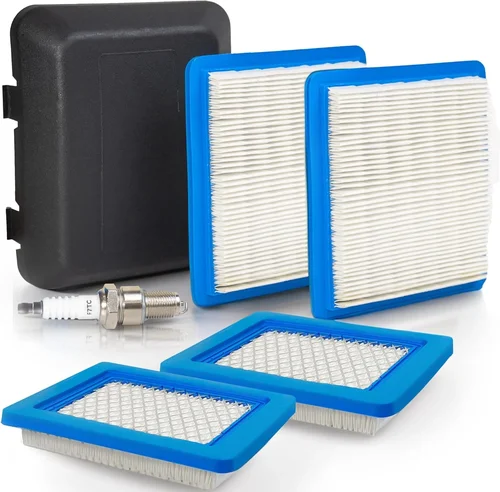
- Look for Multi-Packs: If you prefer paper filters, buying a 2- or 3-pack can reduce the per-unit cost by 15–30%. Just ensure you’ll use them before they degrade (paper filters have a shelf life of 2–3 years).
- Check for Rebates or Promotions: Some brands run mail-in rebates or digital coupons, especially during spring sales. Sign up for newsletters from retailers to get early access to discounts.
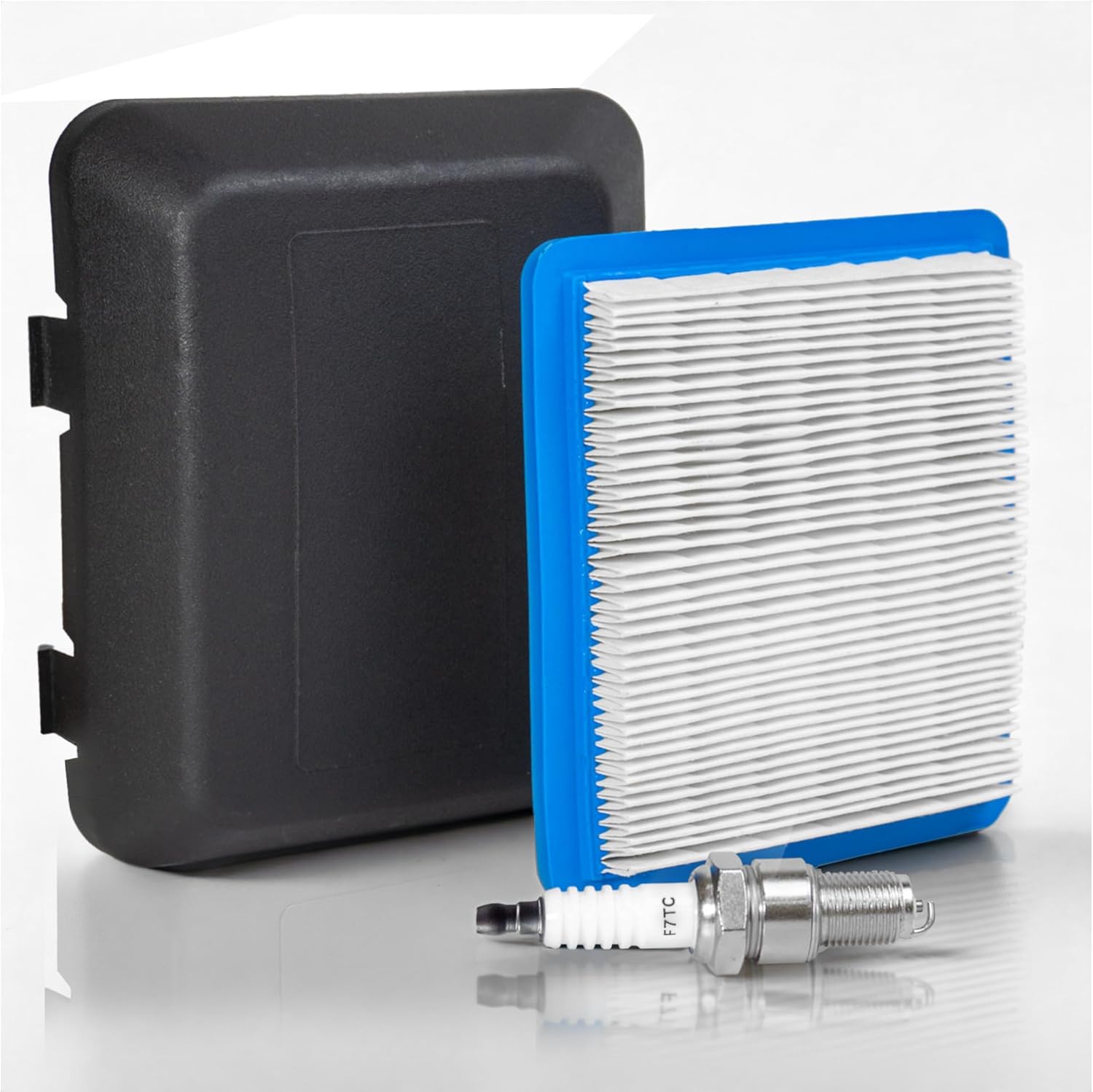
- Consider Free Shipping Thresholds: Many online stores offer free shipping on orders over $25–$50. Add a spark plug, oil filter, or blade sharpener to reach the threshold and maximize value.
- Read Recent Reviews: Filter quality can vary between production batches. Look for reviews from the past 6–12 months to ensure the product still meets expectations.
- Test Fit Before Finalizing: If buying in-store, ask to open the packaging (if possible) to inspect the filter’s shape and labeling. Online, check dimensions against your old filter before sealing the box.

Frequently Asked Questions
Q: Why is my Honda HRX217 bogging down?
A: Engine bogging is often caused by a rich air-fuel mixture due to restricted airflow. A clogged or dirty air filter is one of the most common culprits. Other causes include a dirty carburetor, old fuel, or a faulty spark plug, but the air filter should be checked first during routine maintenance.
Q: How often should I replace the air filter on my HRX217?
A: Honda recommends inspecting the air filter every 25 hours of use and replacing it at least once per mowing season. In dusty conditions, check it more frequently—every 10–15 hours. Reusable foam filters should be cleaned on the same schedule.
Q: Can I clean a paper air filter?
A: No. Paper filters are not designed to be cleaned. Attempting to blow them out with compressed air can damage the delicate pleats and reduce filtration efficiency. Replace paper filters when dirty.
Q: Are reusable foam filters worth it?
A: Yes, if you mow frequently or want to reduce waste. High-quality foam filters (like those from K&N or OEM-style reusable kits) can last 3–5 years with proper cleaning. They offer long-term savings and consistent performance, though they require more maintenance.
Q: Will a performance air filter increase horsepower?
A: Slightly. Performance foam filters (e.g., K&N) allow better airflow, which can improve throttle response and reduce bogging under load. However, the GCV190 engine is not designed for significant tuning, so gains are modest—typically 0.5–1 HP at most.
Q: Can I use a filter from a different Honda mower model?
A: Only if it’s explicitly compatible. The HRX217 uses a specific filter size and housing design. Filters from other models (e.g., HRX217HYA vs. HRX217VKA) may look similar but differ in dimensions or sealing. Always verify compatibility.
Q: Where is the best place to buy an air filter for the HRX217?
A: Top options include Honda-authorized dealers, Home Depot, Lowe’s, Amazon, and small engine specialty stores. Online retailers often have better prices and selection, while local dealers offer immediate availability and expert support.
Q: How do I know if my air filter is the problem?
A: Remove the air filter and inspect it. If it’s black, clogged with debris, or has tears, it needs replacement. You can also test the mower without the filter (only for a few seconds) to see if performance improves—but never run the engine without a filter installed.
Q: Do I need to oil a foam air filter?
A: Only if it’s a performance-style filter (like K&N). Standard reusable foam filters for the HRX217 typically do not require oiling. Check the manufacturer’s instructions—oiling a non-oiled filter can restrict airflow and damage the engine.
Q: Can a bad air filter cause starting problems?
A: Yes. A severely clogged filter restricts airflow, making it hard to start the engine or causing it to stall shortly after startup. If your mower struggles to start or runs rough, the air filter should be one of the first things you check.
Our Final Recommendations
Best for Budget-Conscious Buyers: Stens 135-733 Air Filter – A high-quality aftermarket paper filter that matches OEM specs at a lower price. Reliable, widely available, and easy to replace. Great for occasional users who want solid performance without overspending.
Best Overall Value: Honda Genuine 17210-Z0Y-013 Air Filter – The OEM filter offers guaranteed compatibility, superior filtration, and peace of mind. Slightly more expensive than aftermarket options but worth it for the reliability and fit. Ideal for most homeowners.
Best Premium Option: K&N RC-9400 Air Filter – A reusable, high-flow foam filter designed for small engines. Offers excellent airflow, durability, and long-term savings. Requires regular cleaning and oiling, but perfect for frequent users or dusty environments.
Best for Beginners: Oregon 36-047 Air Filter – Simple, affordable, and easy to install. This paper filter is a direct OEM replacement and comes with clear labeling. Great for first-time buyers who want a hassle-free solution.
Best for Advanced Users: Custom Foam Filter Kit with Pre-Filter – For those who want maximum customization, a high-density foam filter with a washable pre-filter sock offers superior protection in extreme conditions. Requires more maintenance but delivers top-tier performance.
Conclusion: Making the Right Choice
Choosing the right air filter for your Honda HRX217 isn’t just about fixing a bogging engine—it’s about protecting your investment, ensuring reliable performance, and extending the life of your mower. By understanding the key factors—compatibility, material, filtration efficiency, and maintenance—you can make a confident decision that aligns with your needs and budget. Whether you go with an OEM paper filter for simplicity, a reusable foam filter for sustainability, or a performance upgrade for enhanced power, the right choice will keep your HRX217 running smoothly season after season.
Remember, the cheapest option isn’t always the best, and the most expensive isn’t always necessary. Focus on quality, fit, and long-term value. Use the tips and recommendations in this guide to shop smart, avoid common pitfalls, and get the most out of your purchase. And don’t forget: regular maintenance is just as important as the filter itself. Inspect, clean, or replace your air filter as recommended, and your Honda HRX217 will reward you with years of dependable service.
Now that you’re equipped with expert knowledge, it’s time to take action. Check your current filter, compare your options, and make a purchase that keeps your mower—and your lawn—in peak condition. Your HRX217 deserves nothing less.