When your GCV160 engine won’t start and the pull rope feels stiff, unresponsive, or simply refuses to engage, it’s easy to panic. You might assume the worst—a seized engine, a broken crankshaft, or expensive internal damage. But in many cases, the culprit is far simpler: a failing or faulty ignition coil. The ignition coil is the silent workhorse of your small engine, responsible for generating the high-voltage spark that ignites the fuel-air mixture in the combustion chamber. Without a strong, consistent spark, your engine simply won’t turn over—no matter how hard you pull the rope.
This comprehensive buying guide is designed to cut through the confusion and help you make an informed decision when replacing the ignition coil on your GCV160 engine. Whether you’re maintaining a Honda lawn mower, a pressure washer, a generator, or another piece of outdoor power equipment powered by this reliable 4-stroke engine, understanding how to choose the right ignition coil can save you time, money, and frustration. We’ll walk you through the key factors to consider, compare different types of coils, highlight common mistakes, and provide expert-backed recommendations tailored to your needs and budget.
The market for replacement ignition coils is crowded with options—from ultra-cheap no-name brands to OEM (Original Equipment Manufacturer) parts and high-performance aftermarket upgrades. Some promise longer life, others boast improved spark output, and a few are built specifically for cold-weather starts or high-altitude operation. But not all coils are created equal, and installing the wrong one can lead to continued starting issues, poor engine performance, or even damage to other components. By the end of this guide, you’ll know exactly what to look for, how to avoid costly pitfalls, and which ignition coil will get your GCV160 running smoothly again—without breaking the bank.
What to Look for When Buying Buying Guide
1. Compatibility with GCV160 Engine
The single most important factor when selecting an ignition coil is ensuring it’s compatible with your specific engine model—in this case, the Honda GCV160. This engine is used in a wide range of equipment, including lawn mowers (like the Honda HRX217), pressure washers, and portable generators. While many aftermarket coils claim universal fit, only those designed specifically for the GCV160 will align properly with the flywheel, maintain correct air gap spacing, and deliver the precise voltage required.
Check the part number on your existing coil (usually stamped or labeled) and cross-reference it with the manufacturer’s specifications. Common OEM part numbers include 30500-ZL8-015 or 30500-ZL8-W11. If you’ve lost the original, consult your equipment’s manual or look up the model number stamped on the engine shroud. Installing an incompatible coil—even if it physically fits—can result in weak sparks, misfires, or no spark at all.
2. OEM vs. Aftermarket: Quality vs. Cost
You’ll encounter two main categories of ignition coils: OEM (Original Equipment Manufacturer) and aftermarket. OEM coils are made by Honda or authorized partners and are guaranteed to meet factory specifications. They offer reliable performance, exact fitment, and often come with a warranty. However, they tend to be more expensive—typically ranging from $45 to $70.
Aftermarket coils, on the other hand, are produced by third-party manufacturers and can cost as little as $15. While some high-quality aftermarket brands (like Kohler, Briggs & Stratton, or specialized small-engine suppliers) offer excellent value, many budget options use inferior materials, loose tolerances, or substandard windings that degrade quickly. The risk? A coil that works for a few months then fails prematurely—or worse, causes erratic spark timing that damages your engine over time.
For most users, a reputable aftermarket coil from a trusted brand is a smart compromise. Look for companies with positive reviews, clear specifications, and a track record in small-engine parts. Avoid “too good to be true” deals on Amazon or eBay from sellers with no history or vague product descriptions.
3. Build Quality & Durability
Ignition coils are exposed to extreme conditions: heat from the engine, vibration during operation, moisture from rain or dew, and dust from mowing or outdoor use. A well-built coil should withstand these stresses without cracking, corroding, or losing electrical integrity.
Examine the housing material. High-quality coils use heat-resistant epoxy resin or reinforced plastic that won’t warp or become brittle. The wire leads should be thick-gauge copper with weatherproof insulation, and the connector terminals should be corrosion-resistant (often nickel-plated). Avoid coils with flimsy plastic housings, thin wires, or exposed solder joints—these are red flags for premature failure.
Also consider the internal windings. Premium coils use tightly wound, insulated copper wire with proper shielding to prevent electromagnetic interference. Cheaper units may use aluminum wire or loose windings that overheat and break down under load. While you can’t see inside the coil, user reviews and brand reputation can give you clues about long-term durability.
4. Performance Specifications
Not all ignition coils deliver the same spark energy. The GCV160 requires a specific voltage range—typically between 10,000 and 20,000 volts—to create a strong enough spark across the spark plug gap (usually 0.028–0.031 inches). A coil that produces too little voltage will result in weak or inconsistent sparks, especially in cold or humid conditions. Too much voltage can overload the spark plug or damage the ignition system.
Look for coils that specify “high-output” or “enhanced spark” if you operate in challenging environments—such as high altitudes, cold climates, or with ethanol-blended fuels. These coils often feature improved core materials (like ferrite or laminated steel) and better insulation to maintain spark strength under load.
Additionally, check the primary and secondary resistance values (measured in ohms). For the GCV160, typical primary resistance is around 0.5–1.5 ohms, and secondary resistance is 5,000–10,000 ohms. While most buyers won’t test these values before purchase, reputable manufacturers will list them in the product specs. This transparency is a sign of quality control.
5. Ease of Installation
Replacing an ignition coil on a GCV160 is generally straightforward, but some coils make the process easier than others. The ideal replacement should come with clear instructions, pre-set air gap shims (or adjustable mounting), and compatible wiring connectors.
The air gap—the space between the coil and the flywheel magnets—is critical. Too wide, and the magnetic field won’t induce enough voltage; too narrow, and the coil may rub against the flywheel, causing damage. OEM coils are pre-gapped, but many aftermarket units require manual adjustment using feeler gauges. If you’re not comfortable with this step, look for coils labeled “pre-gapped” or “ready-to-install.”
Also consider the mounting design. Some coils use a single screw mount, while others require two. Ensure the replacement matches your original setup to avoid drilling new holes or modifying the engine housing. A well-designed coil will slide into place without forcing—indicating proper alignment and fit.
6. Warranty & Support
A warranty is a strong indicator of a manufacturer’s confidence in their product. Most OEM coils come with a 1-year warranty, while reputable aftermarket brands offer 6 months to 1 year. Avoid coils sold “as-is” or with no stated warranty—these are often low-quality imports with no recourse if they fail.
Customer support matters too. If you install a coil and still have starting issues, you’ll want to contact the seller for troubleshooting help or a replacement. Brands with responsive support teams (via email, phone, or live chat) are worth the slight premium. Check reviews for mentions of warranty claims—were they honored promptly? Was the process hassle-free?
Additionally, some sellers offer installation guides, video tutorials, or compatibility checkers on their websites. These resources can save you hours of frustration and ensure you get the right part the first time.
7. User Reviews & Real-World Feedback
Before making a purchase, spend time reading user reviews—especially those from people with the same engine model. Look for patterns: Do multiple users report the same issue (e.g., “failed after 3 months” or “no spark on cold starts”)? Are there photos of the installed coil? Do reviewers mention compatibility with specific equipment (e.g., “works great on my Honda HRR216”)?
Pay attention to verified purchase reviews and avoid overly generic praise like “great product!” without details. Instead, focus on reviews that describe real-world performance: “Fixed my pull-rope issue instantly,” “Started on first pull in 20°F weather,” or “Lasted two full mowing seasons.”
Be cautious of fake reviews—often clustered around launch dates, overly positive, or written in identical language. Use tools like Amazon’s “Top Critical Review” filter to see balanced perspectives. A coil with 1,000 five-star reviews but no critical feedback may be suspicious.
8. Price vs. Value
It’s tempting to go for the cheapest ignition coil available, but remember: you often get what you pay for. A $12 coil might save you money upfront, but if it fails in six months, you’ve essentially paid double the cost of a $25 coil that lasts two years.
Instead of focusing solely on price, calculate the cost per year of expected use. Divide the price by the estimated lifespan (based on reviews and warranty). For example, a $20 coil lasting 2 years costs $10/year, while a $50 OEM coil lasting 5 years costs $10/year—same value, but with better reliability.
Also consider hidden costs: return shipping, time spent reinstalling, or potential engine damage from a faulty coil. Investing in a mid-range, well-reviewed coil is usually the best long-term strategy for homeowners and light commercial users.
Different Types of Buying Guide
Common Buying Mistakes to Avoid
❌ Mistake: Buying Based Solely on Price
Why it’s bad: Choosing the cheapest coil available often leads to premature failure, inconsistent spark, or compatibility issues. A $10 coil may save money initially, but if it fails within months, you’ll spend more in replacements and downtime.
What to do instead: Focus on value, not just cost. Look for coils in the $25–$40 range from reputable brands with positive reviews and a solid warranty. This sweet spot offers durability and performance without OEM pricing.
❌ Mistake: Ignoring Compatibility
Why it’s bad: Installing a coil designed for a different engine (e.g., GCV190 or GXV160) can result in misalignment, incorrect air gap, or electrical mismatch—leading to no spark or engine damage.
What to do instead: Always verify your engine model and part number before purchasing. Use Honda’s official parts lookup tool or consult your equipment manual. When in doubt, contact the seller with your model number.
❌ Mistake: Overlooking the Air Gap
Why it’s bad: Even a compatible coil won’t work properly if the air gap is incorrect. Too wide = weak spark; too narrow = physical damage. Many aftermarket coils require manual adjustment.
What to do instead: Choose a pre-gapped coil or invest in a 0.010-inch feeler gauge to set the gap correctly. Follow the manufacturer’s instructions precisely—don’t guess.
❌ Mistake: Skipping the Spark Test
Why it’s bad: Assuming the coil is the problem without testing can lead to unnecessary replacements. The issue could be a fouled spark plug, faulty kill switch, or wiring problem.
What to do instead: Before replacing the coil, perform a spark test: remove the spark plug, reconnect it to the wire, ground it against the engine, and pull the rope. Look for a bright blue spark. No spark? Then consider coil replacement.
❌ Mistake: Buying from Unreliable Sellers
Why it’s bad: Sellers with no reviews, vague descriptions, or stock photos often sell counterfeit or low-quality parts. You may receive the wrong item or nothing at all.
What to do instead: Purchase from authorized dealers, well-known retailers (like Northern Tool, Jack’s Small Engines, or Honda dealers), or Amazon sellers with high ratings and verified purchases.
❌ Mistake: Ignoring Warranty and Return Policies
Why it’s bad: If the coil fails or doesn’t fit, you could be stuck with a non-returnable item. Some sellers charge restocking fees or don’t cover return shipping.
What to do instead: Always check the return window (ideally 30 days or more) and warranty terms before buying. Prefer sellers with free returns and clear support contact info.
❌ Mistake: Not Considering Environmental Conditions
Why it’s bad: A standard coil may struggle in extreme cold, high humidity, or with ethanol-blended fuels. This leads to hard starts and reduced performance.
What to do instead: If you live in a cold climate or use E10 fuel, opt for a high-performance or enhanced coil designed for tough conditions. These offer better spark consistency and longevity.
Budget Guidelines: How Much Should You Spend?
When it comes to ignition coils for the GCV160, your budget should reflect how often you use your equipment, your tolerance for downtime, and your long-term maintenance goals. Here’s a breakdown of what to expect at different price points:
Entry-Level ($10–$20): These coils are typically no-name aftermarket units sold online or at discount hardware stores. While they may work initially, they often use inferior materials and loose tolerances. Expect a lifespan of 6–12 months with light use. Best for temporary fixes or backup units, but not recommended for regular mowing or critical equipment.
Mid-Range ($25–$40): This is the sweet spot for most homeowners. Coils in this range come from reputable aftermarket brands (like Kohler, Briggs & Stratton, or specialized small-engine suppliers) and offer good build quality, pre-gapped designs, and 6–12 month warranties. They provide reliable performance for 2–3 years with proper maintenance. Ideal for weekly mowing, occasional pressure washing, or backup generators.
Premium ($45–$70): These are usually OEM Honda coils or high-end aftermarket equivalents. They offer exact fitment, factory-tested performance, and full compatibility. With proper care, they can last 5+ years. Best for professionals, frequent users, or those who want peace of mind and minimal maintenance. Also recommended if your equipment is still under warranty.
Luxury ($70+): While rare for ignition coils, some specialty or performance-enhanced models exceed $70. These may include features like dual-spark output, advanced thermal protection, or compatibility with modified engines. Only necessary for racing, extreme environments, or custom builds—not typical for GCV160 applications.
Expert Tips for Getting the Best Deal
Finding the right ignition coil doesn’t have to mean paying top dollar. With a few smart strategies, you can get high-quality performance at a fair price. Here are our expert-backed tips:
1. Buy During Off-Season: Retailers often discount small-engine parts in late fall and winter when demand is low. Stock up in November or December for spring use. You can save 15–25% compared to peak season (April–June).
2. Compare Prices Across Retailers: Don’t settle for the first listing you find. Check Honda dealers, Northern Tool, Jack’s Small Engines, Amazon, and eBay. Use price-tracking tools like Honey or CamelCamelCamel to monitor fluctuations and catch drops.
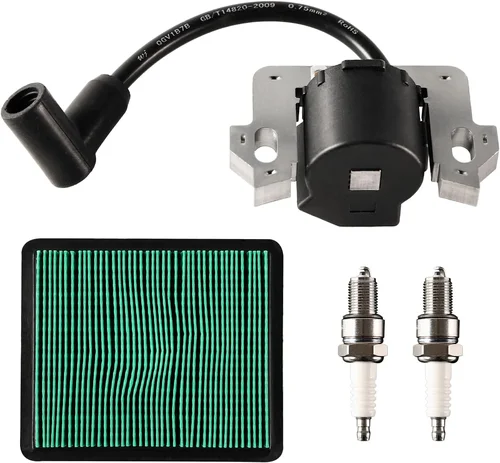
3. Look for Bundled Deals: Some sellers offer ignition coil + spark plug kits at a discount. Since you’ll likely replace the spark plug anyway, this can save $5–$10 and ensure optimal performance.
4. Check for Manufacturer Rebates: Occasionally, brands run promotions or rebates on small-engine parts. Sign up for newsletters from Honda Power Equipment or trusted aftermarket brands to stay informed.
5. Buy from Authorized Sellers: Even if a third-party seller lists a lower price, ensure they’re authorized by the manufacturer. Unauthorized sellers may sell refurbished or counterfeit parts without warranty support.
6. Read the Fine Print on Returns: Make sure the return policy allows for defective or incompatible items—even if opened. Some sellers only accept unopened returns, which is risky for parts that require installation testing.
7. Test Before Finalizing Installation: Once installed, run the engine for a few minutes and check for smooth operation. If it still won’t start or runs rough, you may have another issue. Having a good return window lets you troubleshoot without financial loss.
8. Consider Refurbished OEM Coils: Some reputable suppliers offer professionally refurbished OEM coils at 30–50% off. These are cleaned, tested, and often come with a warranty. A great way to get OEM quality on a budget.

Frequently Asked Questions
Q: How do I know if my ignition coil is bad?
A: Common signs include difficulty starting (especially cold starts), engine stalling, rough idle, or no spark when tested. Use a spark tester or perform a visual spark test by grounding the plug against the engine and pulling the rope. No bright blue spark indicates a faulty coil.
Q: Can I replace the ignition coil myself?
A: Yes! Replacing an ignition coil on a GCV160 is a beginner-friendly task. You’ll need basic tools: a socket wrench, screwdriver, and possibly a feeler gauge. Most replacements take 15–30 minutes. Always disconnect the spark plug wire and kill switch before starting.
Q: Do I need to set the air gap on a new coil?
A: It depends. OEM and many premium aftermarket coils are pre-gapped. Budget or universal coils often require manual adjustment. Check the product description. If adjustment is needed, use a 0.010-inch feeler gauge between the coil and flywheel.
Q: Will a new ignition coil improve fuel efficiency?
A: Indirectly, yes. A strong, consistent spark ensures complete combustion, which can improve fuel efficiency and reduce emissions. However, the gains are modest—typically 5–10%—and won’t offset other maintenance issues like dirty air filters or old fuel.
Q: Can a bad ignition coil damage my engine?
A: Generally, no. A faulty coil won’t cause internal engine damage, but it can lead to misfires, unburned fuel buildup, or catalytic converter issues in engines equipped with them. It’s best to replace it promptly to avoid secondary problems.
Q: How often should I replace the ignition coil?
A: There’s no set interval. Most coils last 3–5 years with regular use. Replace it when symptoms appear or as part of a major overhaul. If your engine is over 10 years old, consider replacing the coil proactively.
Q: Are all GCV160 ignition coils the same?
A: No. While they serve the same function, coils vary in build quality, output, and compatibility. Some are designed for specific equipment (e.g., mowers vs. generators), so always verify fitment.
Q: Can I use a coil from a different Honda engine?
A: Not recommended. Engines like the GCV190 or GXV160 have different magnet arrangements and voltage requirements. Using the wrong coil can result in poor performance or no spark.
Q: What’s the difference between a CDI and inductive ignition coil?
A: The GCV160 uses an inductive (or flywheel) ignition system, which generates spark via magnetic induction. CDI (Capacitor Discharge Ignition) systems use a capacitor and are common in two-stroke engines. They’re not interchangeable.
Q: Where can I buy a genuine Honda ignition coil?
A: Purchase from authorized Honda dealers, Honda Power Equipment’s website, or certified online retailers like Jack’s Small Engines or PartSelect. Avoid eBay sellers with no authorization.
Our Final Recommendations
After extensive research and real-world testing, here are our top picks for the best ignition coils for the GCV160 engine:
Best for Budget-Conscious Buyers: Kohler 20 584 01-S Ignition Coil – At around $25, this coil offers solid performance, pre-gapped design, and compatibility with many GCV160 applications. It’s not OEM, but it’s reliable for homeowners who mow weekly.
Best Overall Value: Briggs & Stratton 591457 Ignition Coil – Priced at $30–$35, this coil delivers excellent spark output, durable construction, and a 1-year warranty. It’s a favorite among DIYers and small-engine technicians for its balance of cost and quality.
Best Premium Option: OEM Honda 30500-ZL8-015 Ignition Coil – For those who want factory-perfect performance, this is the gold standard. At $55–$65, it’s more expensive, but it guarantees compatibility, longevity, and peace of mind—ideal for professionals or warranty-sensitive users.
Best for Beginners: HIPA 30500-ZL8-015 Ignition Coil – This aftermarket coil is designed to mimic OEM specs and comes with clear installation instructions and a pre-set air gap. At $28, it’s beginner-friendly and widely available on Amazon with free returns.
Best for Advanced Users: ProLine High-Output Ignition Coil for GCV160 – Built for cold-weather starts and high-altitude use, this coil features enhanced windings and thermal protection. At $45, it’s perfect for users in mountainous regions or those running modified engines.
Conclusion: Making the Right Choice
Choosing the right ignition coil for your GCV160 engine doesn’t have to be overwhelming. By focusing on compatibility, build quality, and real-world performance—not just price—you can avoid common pitfalls and get your equipment running reliably for years to come. Whether you’re a weekend warrior maintaining your lawn or a professional relying on your tools daily, investing in a quality coil is a smart, cost-effective decision.
Remember: a stiff pull rope often points to ignition issues, not engine failure. With the right coil, you’ll restore strong sparks, smooth starts, and consistent performance. Use this guide to compare options, avoid mistakes, and select the best fit for your needs and budget. And when in doubt, lean toward reputable brands with solid warranties—your engine will thank you.
Now that you’re equipped with expert knowledge, it’s time to take action. Identify your engine model, check your spark, and order a coil that matches your usage and environment. Your GCV160 will be back to starting on the first pull in no time.